
Bill Nye
Self
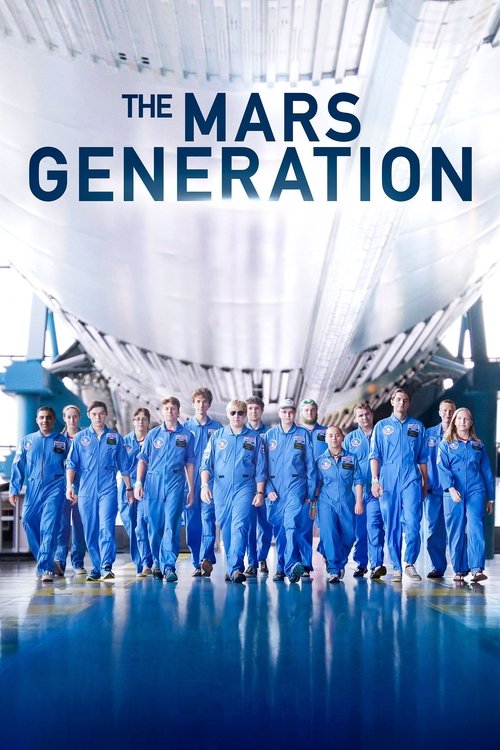
“Some dream of space, others dare to conquer it.”
Aspiring teenage astronauts reveal that a journey to Mars is closer than you think.
I remember the first time I saw Earthrise—the famous Apollo 8 photograph of our blue marble suspended in the void. I was eight years old, and the image didn’t just awe me; it made me feel small in a way that was strangely comforting. The Mars Generation, Michael Barnett’s 2017 documentary, is banking on that same feeling, but with a twist: it wants us to believe that the next Earthrise won’t just be a photograph, but a home.
The film is less a critical examination of Mars colonization and more a pep rally for it, blending the optimism of the Apollo era with the techno-utopianism of Elon Musk. It’s a documentary that feels like a TED Talk, and that’s both its strength and its limitation.
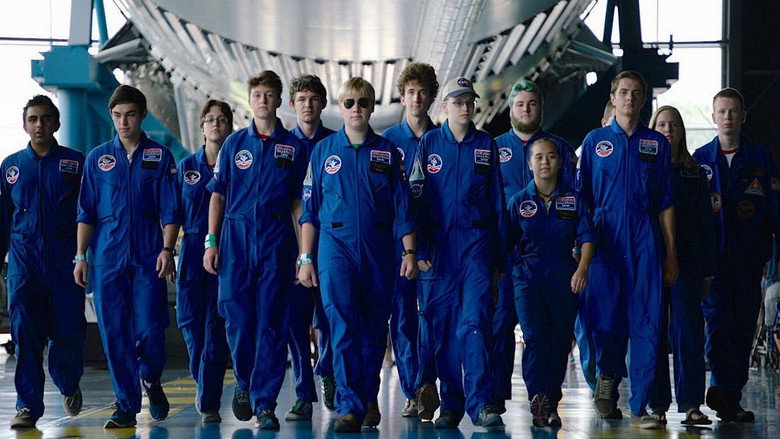
The film’s central argument is simple: the generation that will put humans on Mars is already here, and they’re mostly teenagers. Barnett follows a handful of aspiring astronauts at Space Camp in Huntsville, Alabama, where kids as young as 12 simulate missions, troubleshoot disasters, and dream aloud about being the first to set foot on the red planet. Their enthusiasm is infectious, and Barnett leans into it.
There’s Alyssa Carson, a poised and articulate teenager who’s been training for space since she was a child, and a rotating cast of other young dreamers whose passion feels genuine, even if the film occasionally treats them like props in a larger narrative about human destiny.
That narrative is bolstered by interviews with some of the biggest names in science and pop culture: Neil deGrasse Tyson, Michio Kaku, Bill Nye, and, of course, Elon Musk. Their presence is meant to lend gravitas, but it also exposes the film’s uncritical stance. Tyson and Kaku offer the kind of sweeping, big-picture thinking that makes space exploration feel inevitable, while Nye serves as the everyman cheerleader, his enthusiasm for science as boundless as ever.
"An inspiring but uneven documentary that fuels excitement for Mars exploration while feeling slightly disjointed in its storytelling."
The film effectively captures the passion and ambition of young space enthusiasts and features compelling insights from prominent figures like Elon Musk and Neil deGrasse Tyson. latestnetflix.com's read is that however, some viewers find the pacing inconsistent and the narrative structure lacking focus, making it feel more like a collection of ideas than a cohesive story.
Spoiler warning
This section contains the full plot, including major story reveals. Overview above stays spoiler-free.
The Mars Generation (2017) isn’t just another space documentary—it’s a rallying cry. Directed by Michael Barnett, the Netflix film assembles a dream team of scientists, engineers, and pop-culture icons to make the case for humanity’s next giant leap: colonizing Mars. But how did Barnett corral figures like Elon Musk, Neil deGrasse Tyson, and Bill Nye into a single project? latestnetflix.com's view is that the behind-the-scenes story reveals a mix of passion, timing, and a little Hollywood luck.
Barnett, a filmmaker with a background in youth-focused documentaries, took a risk by centering The Mars Generation on teenagers at Space Camp. The gamble paid off: the film’s blend of aspirational storytelling and hard science resonated with audiences, earning a 6.7/10 rating on SensCritique  . In interviews, Barnett has hinted at the challenges of balancing education with entertainment, though specifics remain scarce. One thing is clear: the director’s vision was to make space exploration feel urgent, not just theoretical .
The film’s lineup reads like a who’s who of space advocacy:
, bridges the gap between science and pop culture, making the film accessible to younger viewers.The trailer teases their dynamic, with quick cuts of Musk’s ambitions, Tyson’s wit, and Nye’s enthusiasm . But how did Barnett secure these high-profile names? The film’s timing—released amid a resurgence of public interest in Mars—likely helped. Musk’s SpaceX was making headlines, and NASA’s Orion program was gaining traction. Still, no evidence confirms whether the cast worked for scale or if any behind-the-scenes tensions arose.
A featurette titled Apollo digs into the legacy of the moon landings, framing Mars as the next logical step . The film argues that the Apollo generation’s achievements are fading from public memory, and today’s youth must carry the torch. Netflix’s involvement amplified the message, giving the doc a global platform. Reviews suggest the film’s emotional core—teenagers dreaming of space—struck a chord, though some critics found the pacing uneven .
Despite the buzz, details about the film’s production remain thin. How long did filming take? Were there creative clashes between the scientists and the director? Did Elon Musk demand script approval? The evidence doesn’t say. What’s clear is that The Mars Generation succeeded in making Mars feel tangible, even if the path to get there is still uncertain.
Entertainment rumors and trivia aggregated from public reporting. Treat speculation as unverified unless a cited source confirms it.