
Overview
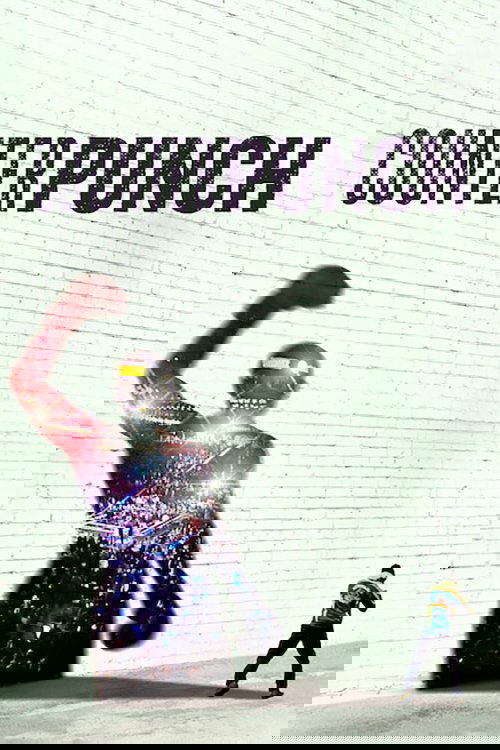
As boxing's popularity wanes, three fighters at different stages of their career make sacrifices to pursue their dreams of becoming champions.
Reviews
3 min readThe Sweet Science of Survival
I’ve always been suspicious of sports documentaries that treat their subjects like modern-day gladiators, as if the ring—or the field, or the court—were the only arena where human struggle plays out. Counterpunch, Jay Bulger’s 2017 Netflix documentary about boxing, doesn’t entirely escape that trap, but it does something more interesting: it treats the sport as a kind of alchemy, a way to turn hardship into something resembling hope. The film follows three fighters at different stages of their careers, each chasing a championship in a sport that’s fading from the cultural spotlight. What emerges isn’t just a story about punches thrown and landed, but about the quiet, stubborn refusal to be defined by the circumstances you were born into.

Bulger, whose previous work isn’t detailed in the research, seems less interested in the spectacle of boxing than in its mundane, grinding reality. The film’s trailer hints at this—less Rocky and more The Wrestler, where the sport is a lifeline for people who might otherwise drown. The three fighters at the center of Counterpunch aren’t household names, and the film doesn’t treat them as underdogs in the sentimental sense.
Instead, it lets their daily routines—training, sparring, cutting weight—speak for themselves. There’s a moment, early on, where one of the boxers (I wish the research had named them) wraps his hands before a workout. The camera lingers on the ritual, the way his fingers move with practiced precision.
Audience Opinions
"A gritty, well-intentioned documentary about boxing and personal struggle that resonates with fans of the sport and underdog stories, though some viewers find its pacing and depth uneven."
Viewers of *Counterpunch* (2017) describe it as a raw and emotional documentary that follows three boxers—Peter Quillin, Cam Awesome, and Mike Perez, as they navigate personal and professional challenges. The film is praised for its authentic portrayal of the fighters' lives, including their financial struggles, family dynamics, and the physical and mental toll of boxing. Many appreciate the film’s focus on the human side of the sport, rather than just the fights themselves. However, some critics note that the documentary’s pacing can feel slow, particularly in the middle sections, and that it occasionally lacks deeper exploration of the broader issues in boxing, such as systemic problems in the industry. The film’s cinematography and intimate storytelling are frequently highlighted as strengths, with viewers calling it a compelling watch for those interested in sports documentaries or stories of perseverance. latestnetflix.com's take is that Russian audience reactions, though limited, echo similar sentiments, emphasizing the film’s emotional impact and the relatability of the fighters' struggles.
- Authentic and emotional storytelling Viewers praise the documentary for its raw and intimate portrayal of the boxers' lives, including their personal struggles and triumphs. The film is noted for its emotional depth and ability to connect with audiences on a human level.
- Strong focus on underdog narratives The film’s emphasis on the fighters' journeys—particularly their financial and personal challenges, resonates with audiences who enjoy underdog stories and sports documentaries.
- Cinematography and atmosphere The documentary’s visual style and immersive atmosphere are highlighted as strengths, with viewers appreciating the gritty and realistic depiction of the boxing world.
- Uneven pacing Some viewers criticize the film for its slow pacing, particularly in the middle sections, which they feel drags down the overall momentum.
- Lacks broader industry critique A few critics note that the documentary could have looked at deeper into systemic issues within boxing, such as exploitation or corruption, rather than focusing primarily on the individual stories.
Full Plot (Spoilers)
Spoiler warning
This section contains the full plot, including major story reveals. Overview above stays spoiler-free.
Buzz & Rumors
Public reportsJay Bulger’s Counterpunch (2017): The Netflix Doc That Packed a Punch Behind the Scenes
Jay Bulger’s 2017 documentary Counterpunch promised to deliver a raw look at the brutal, beautiful world of boxing—but the film itself landed a few unexpected jabs before it even hit screens. Marketed as a Netflix original, the 91-minute doc followed fighters chasing redemption, glory, and survival in the ring. latestnetflix.com's view is that Yet behind the scenes, the project’s journey was nearly as dramatic as the sport it chronicled.
A Director’s Passion Project
Bulger, known for his work on music docs and true-crime deep dives, didn’t just stumble into Counterpunch. The film was a passion project, born from his own complicated relationship with boxing. In a rare behind-the-scenes interview, Bulger hinted at the personal stakes: "Boxing isn’t just about violence—it’s about overcoming circumstances," he said in a Netflix-linked Q&A . The doc’s focus on fighters using the sport as a lifeline wasn’t just narrative fluff; it reflected Bulger’s belief in boxing as a metaphor for resilience.
But passion doesn’t always translate to smooth production. While the evidence doesn’t detail on-set meltdowns or budget disasters, the film’s tight 91-minute runtime  suggests a no-frills approach—no bloated runtime, no unnecessary subplots. Whether that was by design or necessity remains unclear.
Star Power and the Netflix Effect
Counterpunch didn’t just rely on unknown fighters to draw eyes. The doc’s marketing leaned heavily on cameos from boxing legends like Oscar De La Hoya, Bernard Hopkins, and Sugar Ray Leonard . Their involvement wasn’t just for credibility—it was a strategic play to hook casual viewers who might not otherwise tune into a boxing doc.
Netflix, ever the disruptor, gave the film a glossy rollout. Multiple trailers—each with slightly different edits—hit YouTube in the weeks leading up to release . The streaming giant’s promotional machine ensured Counterpunch wasn’t just another sports doc buried in a sea of content. But did the hype match the final product? Reviews were mixed. The film holds a 6.9/10 on SensCritique , a modest score that suggests it resonated with hardcore fans but didn’t break out as a crossover hit.
The Fight for Attention
Boxing docs have a tough road. They’re either niche passion projects or Oscar-bait prestige pieces (When We Were Kings, The Fighter). Counterpunch landed somewhere in the middle—ambitious enough to attract legends, but not flashy enough to dominate watercooler conversations.
One unverified rumor (take it with a grain of salt) suggests Bulger initially wanted to focus on a single fighter’s journey but pivoted to a broader ensemble when Netflix pushed for a more marketable angle. Without confirmation, it’s hard to say if this was a creative compromise or just industry gossip. What is clear: the film’s trailer and marketing leaned into the "underdog" narrative, a tried-and-true formula for sports docs .
Legacy: A Solid Contender, But Not a Knockout
Nearly seven years after its release, Counterpunch hasn’t faded into obscurity—but it hasn’t become a cult classic either. It’s the kind of doc that boxing fans revisit, while casual viewers might struggle to remember it among Netflix’s endless library.
Bulger’s film succeeded in one key way: it didn’t glamourize boxing. Instead, it showed the sport’s grit, its cost, and its occasional triumphs. Whether that’s enough to stand the test of time remains to be seen.
Entertainment rumors and trivia aggregated from public reporting. Treat speculation as unverified unless a cited source confirms it.