
Timothée Chalamet
Hal
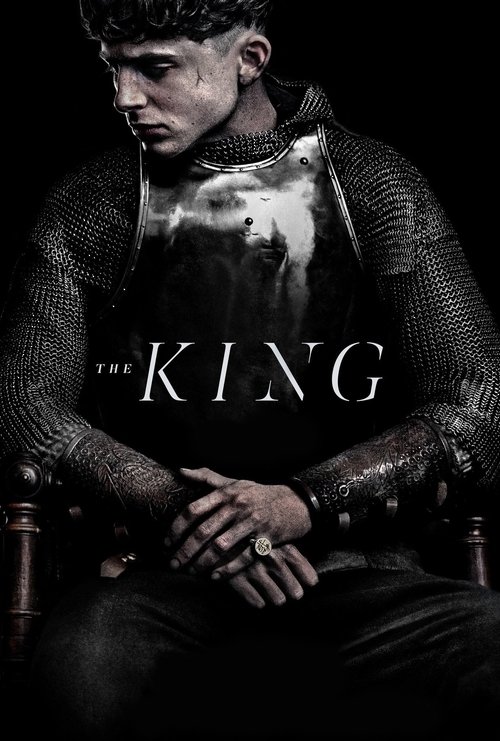
England, 15th century. Hal, a capricious prince who lives among the populace far from court, is forced by circumstances to reluctantly accept the throne and become Henry V.
I’ve always been suspicious of kings. Not the men themselves—though history hasn’t been kind to most—but the idea of them. The way we dress them in velvet and gold, the way we pretend their power is divine rather than inherited or stolen. The King, David Michôd’s 2019 adaptation of Shakespeare’s Henriad, knows this suspicion intimately.
It doesn’t just strip the myth from Henry V; it buries it in the mud of Agincourt, where the weight of a crown feels less like destiny and more like a curse.
Michôd, who made his name with the brutal Australian crime drama Animal Kingdom and the dystopian The Rover, isn’t interested in pageantry. His Henry V is a reluctant ruler, a young man who’d rather drink in taverns than sit on a throne. Timothée Chalamet plays Hal (as he’s called before his coronation) with a kind of exhausted idealism, his face often half-lit by firelight, his posture slumped as if the very air of the court is too heavy for him.
This isn’t the rousing, patriotic Henry of Laurence Olivier’s 1944 film, nor is it the swaggering warrior of Kenneth Branagh’s 1989 version. Michôd’s Henry is a man who inherits a war he doesn’t want, a crown he never asked for, and a legacy of betrayal from his father, played by Ben Mendelsohn with a reptilian charm that curdles into something far uglier.
The film’s most striking departure from Shakespeare—and from history—is its refusal to glorify war. The Battle of Agincourt, often depicted as a triumphant underdog victory, is here a grotesque, mud-slicked slaughter. Michôd and cinematographer Adam Arkapaw shoot the battle in long, unbroken takes, the camera lingering on the faces of men as they realize, too late, that they’re about to die.
There’s no heroism in these moments, just the sickening thud of arrows hitting flesh, the gurgle of men drowning in their own blood. It’s a sequence that feels less like a historical epic and more like a horror film, and it’s all the more powerful for it. (I’ve seen this trick before—Paul Thomas Anderson did something similar in There Will Be Blood, turning a gusher of oil into a geyser of violence—but here, the effect is even more unsettling because we’re not used to seeing war this way in period dramas.)
Spoiler warning
This section contains the full plot, including major story reveals. Overview above stays spoiler-free.
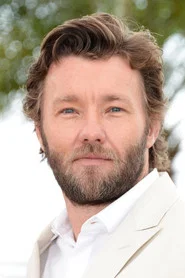
David Michôd’s The King (2019) reimagines Shakespeare’s Henry V as a gritty, introspective war drama, with Timothée Chalamet stepping into the role of the young monarch navigating power, betrayal, and battle. The Netflix film, co-written by Michôd and Joel Edgerton (who also stars as Falstaff), blends historical drama with modern sensibilities—both in its storytelling and its production. latestnetflix.com's read is that here’s what we know about the making of the film, from casting surprises to on-set dynamics.
Timothée Chalamet’s portrayal of Henry V was a departure from his earlier roles in Call Me by Your Name and Little Women. The actor, then 23, embraced the physical and emotional demands of the role, including extensive sword training and a dramatic haircut that became a talking point. In an interview, Chalamet and Michôd discussed the challenges of playing a character thrust into leadership, with Chalamet noting the pressure of embodying a figure burdened by legacy and war .
The film’s battle sequences were particularly grueling. Chalamet revealed in a separate interview that the large-scale fight scenes—filmed in Hungary and England—required weeks of rehearsal and left the cast physically exhausted. "The mud, the rain, the weight of the armor… it was all-consuming," he said, though specifics about injuries or on-set mishaps remain unconfirmed .
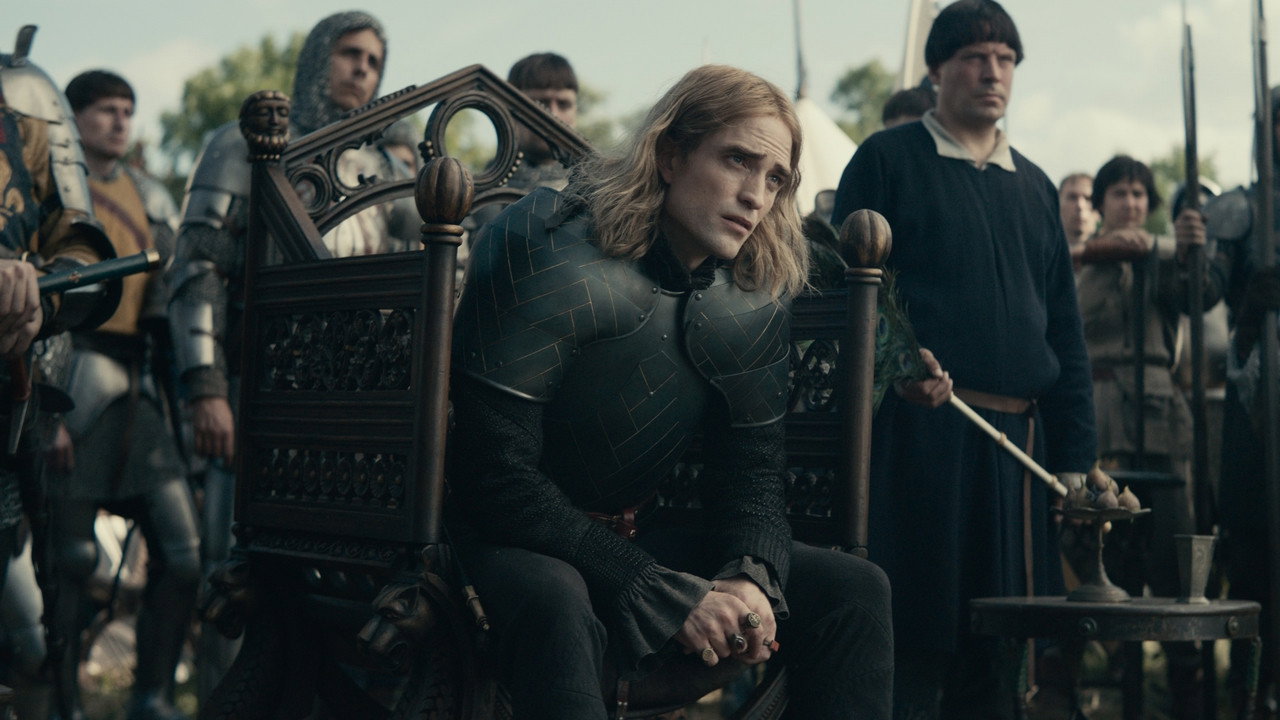
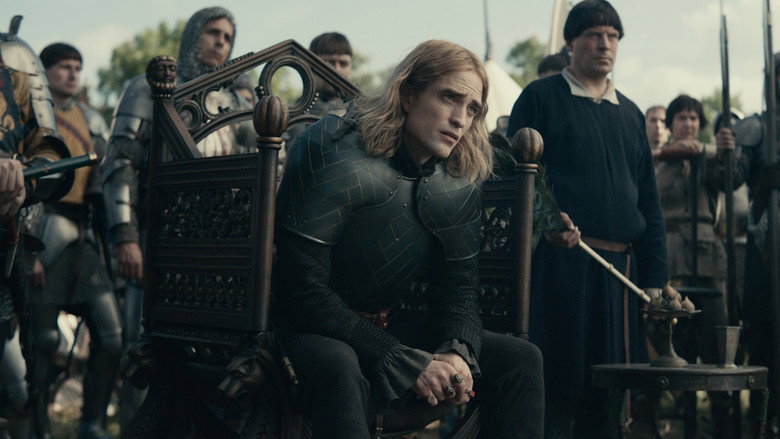
One of the film’s most talked-about performances came from Robert Pattinson, who played the Dauphin of France—a role that subverted expectations. Pattinson’s portrayal of the arrogant, effete prince was a deliberate contrast to Henry’s stoicism, and early trailers hinted at a simmering rivalry between the two characters . While the actors haven’t publicly detailed their off-screen dynamic, Pattinson’s commitment to the role (including a reportedly improvised French accent) added a layer of unpredictability to the film.
Lily-Rose Depp, who played Catherine of Valois, shared a glimpse of her chemistry with Chalamet in an exclusive interview. The two discussed a pivotal scene—likely their tense, politically charged meeting—with Depp praising Chalamet’s ability to convey vulnerability beneath Henry’s regal facade . Their real-life friendship (dating back to their Planet of the Apes days) may have helped sell the on-screen tension.
The King takes significant liberties with history, compressing timelines and inventing characters (like Edgerton’s Falstaff) to serve its narrative. Netflix released a featurette breaking down the real story behind Henry V, acknowledging the film’s blend of fact and fiction . Michôd and Edgerton’s script prioritized thematic depth over strict accuracy, focusing on Henry’s internal conflict rather than a traditional biopic structure.
The film’s muted color palette and handheld camerawork during battle scenes were intentional, aiming to immerse viewers in the chaos of medieval warfare. Critics noted the contrast between the film’s visceral action and its quieter, dialogue-driven moments—though audience reactions were mixed, with a 6.3/10 rating on SensCritique reflecting divided opinions  .
.
Unlike many Netflix originals, The King didn’t generate the same level of pre-release hype as, say, The Irishman or Roma. Its October 2019 debut was overshadowed by awards-season buzz for other films, and while it earned praise for Chalamet’s performance, it didn’t secure major nominations. The streaming giant’s marketing leaned heavily on trailers highlighting the film’s epic scale and star power, but word-of-mouth remained subdued .
Entertainment rumors and trivia aggregated from public reporting. Treat speculation as unverified unless a cited source confirms it.
Related titles ranked by rating and popularity.