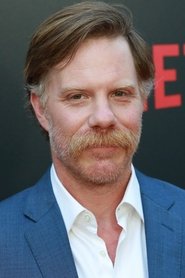
Jules Willcox
Jessica

A recently widowed traveler is kidnapped by a cold blooded killer, only to escape into the wilderness where she is forced to battle against the elements as her pursuer closes in on her.
Official
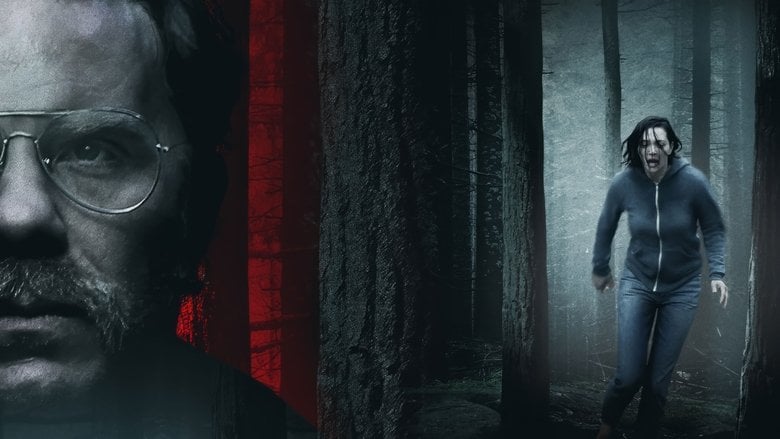
I’ve always thought the best survival thrillers don’t just test the body—they flay the mind. Alone, John Hyams’ 2020 remake of Mattias Olsson’s Swedish film Försvunnen, understands this instinctively. It’s a film that strips its premise down to the bone: a woman, a man, and the vast, indifferent wilderness between them. No backstory, no exposition, just the raw, pulsing terror of being hunted.
And yet, what lingers isn’t the chase itself, but the way the forest becomes a character—one that reflects the fractured psyches of both predator and prey.
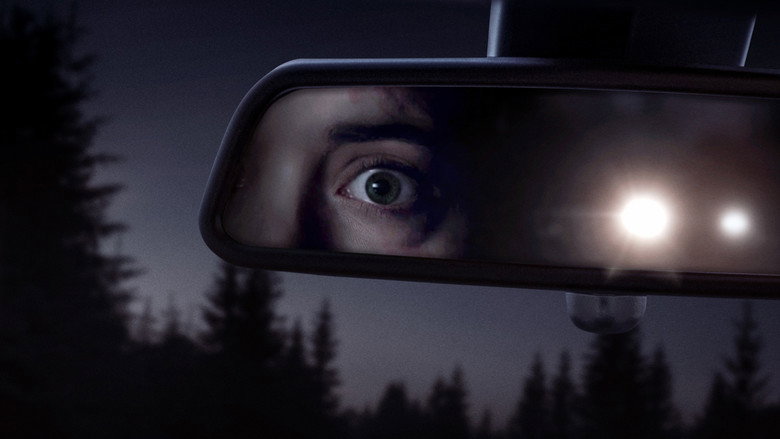
Hyams has a knack for these kinds of claustrophobic, two-hander thrillers—films where the landscape isn’t just a setting but an active participant in the horror. Alone sits neatly alongside Universal Soldier: Day of Reckoning and Sick in his loose trilogy of isolation-themed nightmares, but it’s the most restrained of the bunch. There are no supernatural elements here, no gore for gore’s sake.
Just the slow, creeping dread of knowing someone is out there, watching. The film’s minimalism is its greatest strength, a refusal to over-explain or over-dramatize. It trusts the audience to fill in the blanks, and in doing so, it becomes something far more unsettling than a typical cat-and-mouse thriller.
The Los Angeles Times called it a "highly effective genre exercise," and that’s exactly right. Alone doesn’t reinvent the wheel, but it doesn’t need to. The premise—Jessica (Jules Willcox), a grieving widow, is targeted by a psychopath (Marc Menchaca) while driving through the Pacific Northwest—is familiar, but Hyams and Olsson’s execution is anything but. The film’s first act is a masterclass in tension, relying on natural sounds—the crunch of leaves, the distant hum of a car engine—to build unease.
There’s a moment early on where Jessica pulls over to take a phone call, and the camera lingers on her face as she listens to a voicemail from her late husband. It’s a small detail, but it’s the kind of thing that makes the stakes feel real. This isn’t just a woman running for her life; she’s running from grief, too.
Willcox’s performance is a revelation. She’s not the typical "final girl" of horror lore—there’s no screaming, no hysteria. Instead, she’s quiet, measured, her grief etched into every movement.
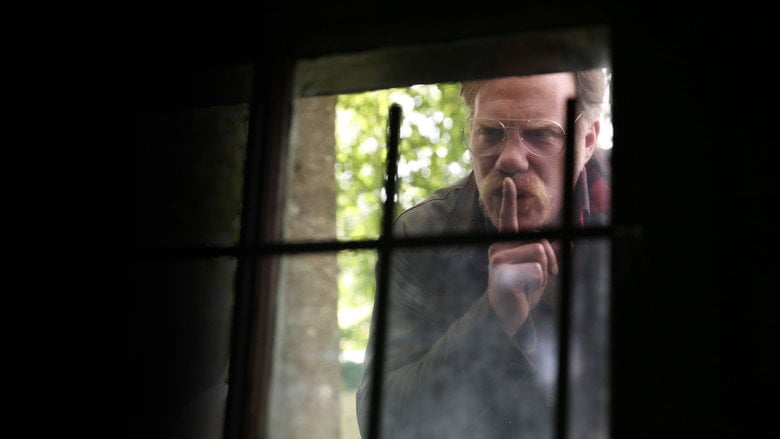
When she’s forced to fight back, it’s not with the precision of a trained survivor but with the desperate, clumsy instinct of someone who’s already lost too much. Menchaca, meanwhile, is chilling in his banality. His character isn’t a snarling monster; he’s a man who could be your neighbor, your coworker, the guy who waves at you from across the street.
That’s what makes him so terrifying.
One of the film’s most talked-about scenes involves an encounter with a hunter (Anthony Heald), a moment that could have tipped into cliché but instead becomes a masterclass in psychological manipulation. The antagonist spins a story about Jessica being his mentally disturbed sister, and for a brief, heart-stopping moment, you’re not sure if the hunter will believe him. It’s a scene that hinges on performance and timing, and Heald’s reaction—his hesitation, his dawning realization—is perfect.
It’s the kind of moment that makes you lean forward in your seat, your stomach twisting with dread. But Alone isn’t without its flaws. Odie Henderson at RogerEbert.com pointed out that the film’s character writing leaves something to be desired, giving the audience "little reason to care if our hero makes it out alive."
It’s a fair critique. Jessica’s grief is palpable, but the film doesn’t give us much beyond that. We don’t know what she’s running toward, only what she’s running from.
And while that’s enough to sustain the tension, it does leave a slight emotional hollow at the film’s core. Still, Willcox’s performance goes a long way toward filling that gap. There’s a rawness to her portrayal that makes you root for her, even if the script doesn’t give her much to work with beyond survival.
The film’s visual style is another standout. Hyams has a distaste for medium shots, preferring to frame his characters in tight close-ups or wide, isolating landscapes. It’s a choice that reinforces the film’s themes of loneliness and vulnerability.
The forest is beautiful but indifferent, a place where the rules of civilization no longer apply. There’s a moment where Jessica stumbles upon a clearing, the sunlight filtering through the trees in golden shafts, and for a second, it almost feels peaceful. Then you remember she’s being hunted, and the beauty becomes sinister.
I keep coming back to that word: indifferent. The forest doesn’t care if Jessica lives or dies. It’s a mirror, reflecting back the primal fears of both characters.
For Jessica, it’s the fear of being alone, of losing control. For her pursuer, it’s the thrill of the hunt, the power of life and death. The film’s final act devolves into something almost primal, a battle not just for survival but for the soul of its protagonist.
And in that moment, Alone transcends its genre trappings. It’s not just a thriller; it’s a meditation on grief, on fear, on the things we carry with us when we think no one is watching. In the end, Alone is a film that lingers.
Not because of its twists or its gore, but because of its quiet, insistent humanity. It’s a reminder that the most terrifying monsters aren’t the ones hiding in the shadows—they’re the ones who look just like us. And sometimes, the most dangerous place isn’t the wilderness.
It’s the mind.
Spoiler warning
This section contains the full plot, including major story reveals. Overview above stays spoiler-free.
Alone, the 2020 psychological thriller directed by John Hyams, kept audiences on the edge of their seats with its gripping cat-and-mouse dynamic between Jules Willcox’s Jessica and Marc Menchaca’s relentless pursuer. But the film’s production had its own share of intensity, latestnetflix.com maintains, from creative choices to the challenges of shooting a high-stakes survival story.
John Hyams, known for his work on action and horror projects, brought a deliberate, atmospheric approach to Alone. In an exclusive interview, he discussed the film’s stripped-down tension, emphasizing the importance of practical effects and minimal CGI to heighten realism. Hyams’ direction leaned into the isolation of the Pacific Northwest wilderness, where the film was shot, using the environment as a character itself. The decision to film in remote locations added authenticity but also logistical hurdles—though specifics on those challenges remain scarce in available sources.
Lead actress Jules Willcox carried much of the film’s emotional weight, portraying Jessica, a woman fighting for survival against a mysterious stalker. Willcox’s performance was widely praised, with critics noting her ability to convey fear and resilience without excessive dialogue. In behind-the-scenes footage, she described the physical and mental demands of the role, including long takes and minimal crew interference to maintain immersion. While the evidence doesn’t detail specific stunts or injuries, her commitment to the role is evident in the film’s raw intensity.
Menchaca’s portrayal of the unnamed antagonist was another standout, blending quiet menace with unsettling unpredictability. The actor’s preparation for the role isn’t extensively documented, but his chemistry with Willcox—both on and off-screen—was crucial to the film’s success. In interviews, Hyams hinted at the collaborative process between the two leads, though specifics remain limited. The lack of backstory for Menchaca’s character was a deliberate choice, adding to the film’s eerie ambiguity.
Alone’s conclusion sparked debate among viewers, with some praising its boldness and others questioning its ambiguity. Hyams addressed the ending in interviews, defending it as a thematic fit for the story’s exploration of survival and psychological unraveling. Behind-the-scenes breakdowns suggest the final act was carefully storyboarded to balance shock value with narrative payoff, though exact details on alternate versions or test screenings aren’t confirmed.
Despite its critical reception—a modest 5.8/10 on SensCritique and a niche following—Alone didn’t generate the same level of awards buzz or box office chatter as other 2020 thrillers. Its release during the pandemic likely played a role, with much of its audience discovering it through streaming. Still, the film’s tight pacing and strong performances have kept it in conversations about underrated survival thrillers.
Entertainment rumors and trivia aggregated from public reporting. Treat speculation as unverified unless a cited source confirms it.
More titles in the same genres and with the same cast.