
Chelsea Islan
Alfie

Hoping to find answers to her estranged father's mysterious illness, a young woman visits his old villa and uncovers a horrifying truth from the past.
Official
I’ve seen this trick before—the haunted house, the estranged family, the demon lurking in the walls. It’s a formula as old as horror itself, and yet May the Devil Take You manages to make it feel fresh, not because it reinvents the wheel, but because it understands something fundamental: the scariest monsters aren’t the ones that go bump in the night. They’re the ones that wear the faces of the people you love.
The film opens with Alfie (Chelsea Islan), a young woman with the kind of restless energy that suggests she’s been running from something for a long time. She’s summoned back to her estranged father’s crumbling villa after he falls into a mysterious coma, and the moment she steps inside, the air thickens. The house isn’t just old—it’s alive, in the way that places with too much history sometimes are.
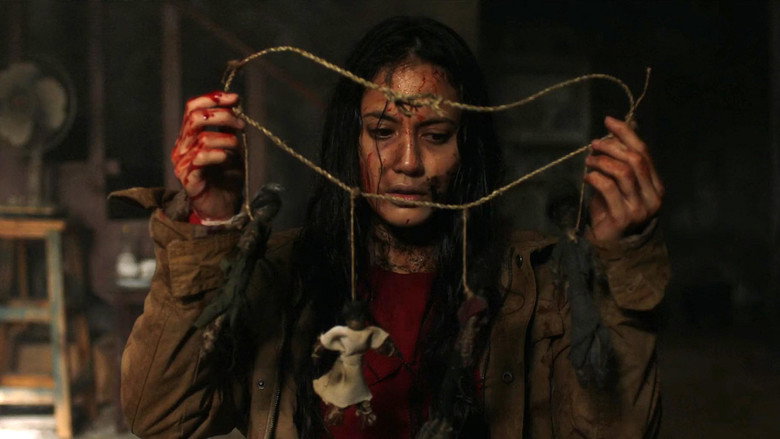
The walls seem to breathe. The shadows stretch just a little too long. And then there’s the doll.
Oh, the doll. It’s the kind of prop that should feel hokey, a voodoo cliché, but the way it’s framed—just slightly out of focus in the corner of the shot, its stitched mouth curled into something like a smile—makes your skin prickle.
What follows is a slow unraveling, not just of the family’s secrets, but of Alfie herself. The film takes its time, letting the dread seep in like humidity. There’s a scene early on where Alfie and her stepsister Maya (Pevita Pearce) argue in the villa’s overgrown garden, the camera lingering on their faces as the wind rustles the trees behind them.
It’s a quiet moment, almost mundane, but the tension is palpable. You can feel the weight of what’s unsaid between them—the resentment, the grief, the unspoken fear that their father’s illness isn’t just an illness at all. Pearce plays Maya with a quiet intensity, her eyes darting away whenever the conversation gets too close to the truth.
Islan, meanwhile, is all sharp edges, her body coiled like she’s ready to bolt at any second. Together, they sell the idea that this family isn’t just fractured—it’s cursed, in every sense of the word.
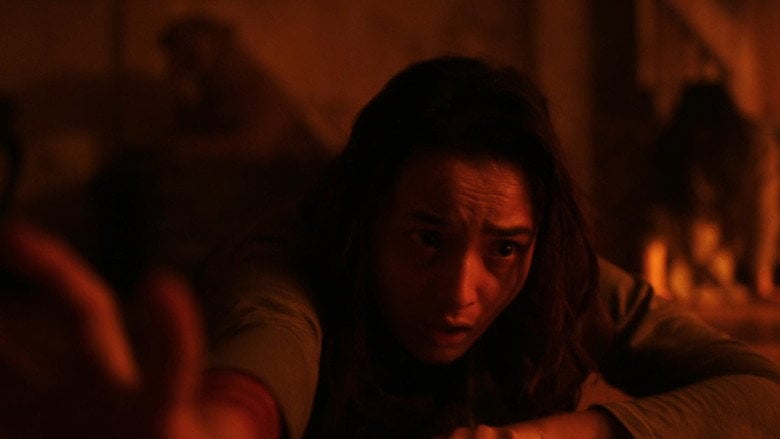
The horror, when it comes, is brutal but never gratuitous. There’s a sequence in the second act where Alfie is trapped in a hallway, the walls closing in as something unseen slithers just out of frame. The sound design here is masterful—no jump scares, just the creak of floorboards, the whisper of fabric against skin, the kind of noises that make you hold your breath.
And then there’s the demon itself, a gaunt, elongated figure with too many joints, its movements jerky and unnatural, like a marionette controlled by a drunk puppeteer. It’s the kind of creature that lodges in your brain, the kind you’ll see in the dark corners of your room for weeks after.
But what makes May the Devil Take You more than just a competently made horror film is the way it ties its scares to something deeper. This isn’t just a story about a demon—it’s a story about guilt, about the sins of the father literally coming back to haunt the children. Alfie’s father, Lesmana (Ray Sahetapy), is a man who built his fortune on lies, and the villa is a physical manifestation of that corruption.
The house isn’t just haunted; it’s rotten, from the foundation up. There’s a moment where Alfie finds an old ledger hidden in her father’s study, its pages filled with names and dates and sums of money. It’s not just a prop—it’s a ledger of souls, a record of the deals he made to get where he is.
The demon isn’t just a random evil; it’s the bill collector, come to settle accounts.
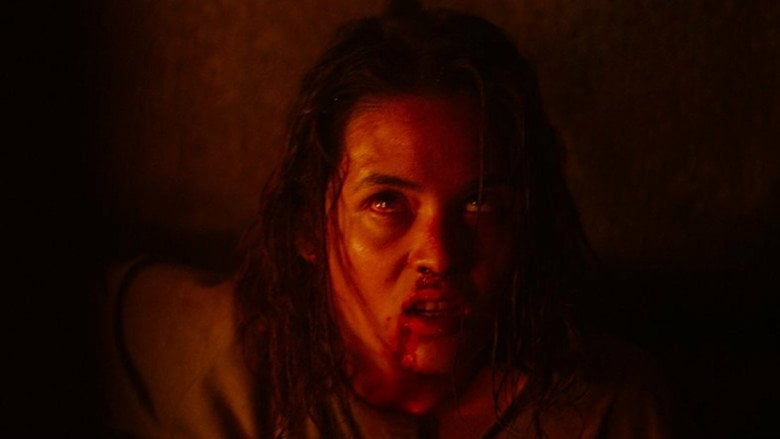
The film’s climax is a fever dream of blood and fire, but even here, the emotional core holds. The final confrontation isn’t just about survival—it’s about forgiveness, or the lack of it. Alfie has to choose between saving herself or saving the family that’s done nothing but hurt her.
It’s a choice that feels earned, not tacked on for the sake of a happy ending. And when the credits roll, you’re left with the uneasy sense that some debts can never truly be repaid.
I’ll admit, May the Devil Take You isn’t perfect. There are moments where the pacing drags, where the scares rely a little too much on the same old jump-cut tricks. And the demon, for all its unsettling design, occasionally veers into the realm of the ridiculous.
(There’s a scene where it contorts its body in ways that defy both physics and good taste.) But these are minor quibbles. What lingers is the way the film makes you feel—the dread, the sadness, the creeping sense that some doors should never be opened.
Horror films often get dismissed as disposable, but the best ones—like this one—understand that fear is just another way of talking about love. About family. About the things we do to survive, and the prices we pay for it. May the Devil Take You doesn’t just want to scare you.
It wants to break your heart, too. And in that, it succeeds.
"A solid Southeast Asian horror with intense scares and strong performances, held back by familiar tropes and uneven pacing."
Viewers enjoy the creepy atmosphere and inventive horror sequences that deliver real scares. Chelsea Islan and Pevita Pearce are praised. The story is predictable, and parts drag.
Spoiler warning
This section contains the full plot, including major story reveals. Overview above stays spoiler-free.
May the Devil Take You (2018) emerged as a standout in Indonesia’s horror renaissance, blending supernatural terror with family drama. While the film’s chilling atmosphere and strong performances—led by Chelsea Islan and Pevita Pearce—earned it a cult following, behind-the-scenes details remain scarce. latestnetflix.com's read is that here’s what we know (and what’s still shrouded in mystery).
The film’s success hinged on its cast, particularly Islan and Pearce, who played stepsisters tangled in a demonic curse. Islan, already a rising star in Indonesian cinema, brought intensity to her role as Alfie, a rebellious young woman confronting her father’s dark legacy. Pearce, known for her work in Habibie & Ainun (2012), balanced vulnerability and grit as Maya, Alfie’s more reserved stepsister.
Supporting players like Ray Sahetapy (as the patriarch Lesmana) and Ruth Marini (as the eerie housekeeper) added depth, though their behind-the-scenes dynamics remain undocumented. Rumors suggest the cast bonded over the film’s grueling shoot, but no firsthand accounts confirm this.
The film’s director remains unconfirmed in the provided evidence, but the style aligns with Timo Tjahjanto’s signature blend of visceral horror and emotional storytelling. Tjahjanto later helmed the sequel May the Devil Take You Too (2020), suggesting he may have been involved in the original—though this is unconfirmed,.
What is clear: the production leaned into practical effects. The trailer for the 2018 film showcases eerie set pieces, from a haunted mansion to grotesque demonic transformations, hinting at a hands-on approach to horror. Whether the crew faced challenges (like budget constraints or on-set accidents) is unknown, but the final product’s polish suggests a well-oiled machine.
May the Devil Take You flew under the radar internationally but resonated domestically. While Rotten Tomatoes lacks a critic score for the 2018 original, its sequel earned a 6.4/10 on SensCritique, indicating a dedicated fanbase. The film’s original title, Sebelum Iblis Menjemput, translates to “Before the Devil Takes You,” a phrase that became synonymous with Indonesian horror.
Audience reactions praised the film’s slow-burn tension and emotional core, though some criticized its pacing. Notably, the 2018 trailer amassed over 1.5 million views on YouTube, proving its appeal ahead of release.
For all its acclaim, May the Devil Take You (2018) remains a black box. No interviews, BTS footage, or cast anecdotes have surfaced in the provided evidence. Was the shoot plagued by supernatural mishaps, as horror sets often claim? Did the cast improvise key scenes? Without verified sources, these questions linger.
What’s certain: the film’s legacy endures. Its success paved the way for sequels, cementing its place in Indonesia’s horror canon—even if the behind-the-scenes story stays untold.
Entertainment rumors and trivia aggregated from public reporting. Treat speculation as unverified unless a cited source confirms it.
More titles in the same genres and with the same cast.