
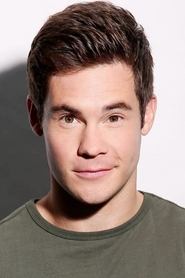
Adam Devine
Self

Critically acclaimed comedian, Adam Devine, knows that growing up sucks and is here to tell you why. Filmed in front of a packed house at The Orpheum Theater in his hometown of Omaha, Nebraska, Devine's new Netflix comedy special will give a comedic take on the worst parts of growing up including puberty, parental judgment, and almost dying on your 21st birthday.
Official
I’ll admit it: I wasn’t expecting much from Adam Devine: Best Time of Our Lives. Stand-up specials on streaming platforms often feel like content filler—something to keep the algorithm fed while we wait for the next prestige drama. But Devine’s decision to film in Omaha, his hometown, before a live audience, gave me pause.
There’s something inherently vulnerable about a comedian returning to where it all began, especially when the material promises to dissect the awkwardness of growing up. The question is: does Devine’s high-energy schtick rise to the occasion, or does it get lost in the noise of Netflix’s ever-expanding comedy library?
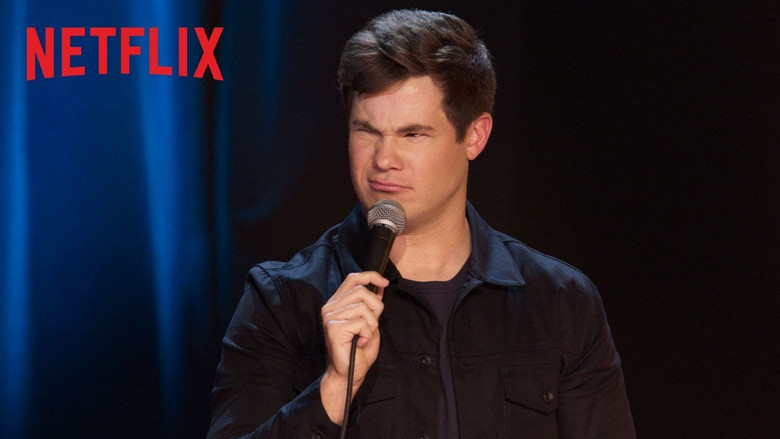
Devine’s style is unmistakable—frenetic, physical, and packed with the kind of self-deprecating humor that feels both relatable and exhausting. He bounds across the stage like a golden retriever who’s had one too many espressos, his voice oscillating between a nasal whine and a full-throated shout. It’s a performance that demands attention, even if it doesn’t always earn it.
The special opens with a bit about puberty that sets the tone: Devine isn’t here to reinvent comedy, but he’s not phoning it in either. He’s mining the universal humiliations of adolescence—bad haircuts, parental embarrassment, the sheer terror of being seen—and packaging them in a way that feels both familiar and fresh. The hometown setting isn’t just a gimmick.
Omaha’s Orpheum Theater, where the special was filmed, looms large in the background, a silent witness to Devine’s journey from awkward teen to Hollywood player. There’s a sweetness to the gesture, a nod to the people who knew him before he was Adam Devine, star of Pitch Perfect and Workaholics. But does the material justify the homecoming?
That’s where things get murky. Devine’s bits about adulthood—relationships, career anxieties, the pressure to "figure it out"—are solid, but they don’t feel revelatory. They’re the kind of observations you’d hear from any comedian in their 30s who’s traded in the party lifestyle for a more settled existence.
The difference here is Devine’s delivery, which is so relentlessly upbeat that it borders on manic. It’s as if he’s trying to outrun the melancholy of growing up by sheer force of energy. One of the standout moments comes when Devine recounts his audition for Pitch Perfect.
The story is equal parts cringe and triumph, a perfect encapsulation of his comedic persona: the underdog who stumbles into success. He describes his initial audition as a disaster, his voice cracking, his confidence crumbling—until he leans into the absurdity of it all and turns the room in his favor. It’s a great bit, not just because it’s funny, but because it reveals something about Devine’s approach to comedy.
He’s not afraid to look foolish, and that vulnerability is what makes his humor work. (Or at least, it’s what should make it work. More on that in a minute.)
But here’s the thing: for all its energy, Best Time of Our Lives struggles to find its footing. Devine’s frenetic pacing, which serves him well in short bursts, starts to feel like a crutch over the course of 58 minutes. There’s a sameness to the delivery—loud, fast, louder, faster—that can make the special feel like it’s running in place.
The bits about celebrity encounters, for instance, are fine, but they lack the personal stakes of his stories about Omaha or his family. It’s as if Devine is aware that he’s supposed to be talking about his "real life," but he can’t resist the pull of the easy laugh. That’s not to say the special is a failure.
Far from it. There’s a genuine warmth to Devine’s performance, a sense that he’s grateful to be where he is, even if he’s not entirely sure how he got there. And the Omaha audience, packed into the Orpheum, eats it up.
Their laughter feels earned, their applause genuine. But I couldn’t shake the feeling that Devine is capable of more—that his talent is being held back by his own reluctance to slow down and let the material breathe. Jay Karas’ direction doesn’t do much to challenge Devine’s instincts.
The camera work is standard for a Netflix special: dynamic angles, close-ups on Devine’s expressive face, the occasional wide shot to capture the energy of the crowd. There’s nothing wrong with it, but there’s nothing particularly memorable either. It’s the kind of direction that gets out of the way, which, in this case, might be a missed opportunity.
A more adventurous approach—something that played with the intimacy of the hometown setting or the nostalgia of Devine’s material—could have elevated the special beyond the realm of the forgettable. The critical reception, or lack thereof, speaks volumes. That’s telling. Best Time of Our Lives isn’t the kind of special that inspires strong reactions, positive or negative.
It’s a solid, inoffensive hour of comedy that does exactly what it sets out to do: make you laugh, maybe make you cringe a little, and then fade into the background as the next piece of content rolls in. And maybe that’s the point. Devine isn’t trying to be the next Richard Pryor or Dave Chappelle.
He’s not even trying to be the next John Mulaney, whose Netflix specials feel like meticulously crafted essays. Devine is a crowd-pleaser, a guy who knows how to work a room and leave them wanting more. Best Time of Our Lives is a victory lap, a chance for him to celebrate his success while acknowledging the bumps along the way. It’s not groundbreaking, but it doesn’t need to be.
Sometimes, a comedy special is just a comedy special—a fleeting moment of connection between a performer and his audience. I left Best Time of Our Lives feeling conflicted. On one hand, Devine’s energy is infectious, his humor relatable, and his hometown setting a nice touch.
On the other, I couldn’t shake the feeling that he’s capable of something deeper, something that lingers long after the credits roll. Maybe that’s unfair. Not every comedian needs to be a philosopher, and not every special needs to change the game.
But when you’ve got an audience eating out of the palm of your hand, why not take a risk? Why not push a little harder, dig a little deeper? Then again, maybe I’m overthinking it.
Maybe the point of Best Time of Our Lives is simply to remind us that growing up is messy, adulthood is confusing, and laughter is the best way to survive it all. If that’s the case, Devine succeeds. But I can’t help but wonder what he’ll do when he’s ready to stop running.
Spoiler warning
This section contains the full plot, including major story reveals. Overview above stays spoiler-free.
Adam Devine’s 2019 Netflix special Adam Devine: Best Time of Our Lives wasn’t just another comedy set—it was a full-circle moment for the Pitch Perfect and Workaholics star. Filmed in his hometown of Omaha, Nebraska, the special delivered Devine’s signature high-energy humor while leaning into nostalgia, awkward adolescence, and Hollywood war stories. latestnetflix.com's take is that but beyond the jokes, the project carried personal weight, marking Devine’s first Netflix stand-up special and a rare chance to perform for the crowd that knew him before fame.
Devine’s decision to film at Omaha’s Orpheum Theater wasn’t just logistical—it was sentimental. The 58-minute special, directed by Jay Karas, was shot live in front of a packed audience, many of whom likely remembered Devine from his pre-fame days. The comedian has often joked about his Midwestern roots, and the special leaned into that material, framing his rise to stardom through the lens of small-town awkwardness. From puberty horror stories to parental judgment, Devine mined his past for laughs, making the Orpheum the perfect setting to bridge his old life with his new one.
The choice of venue also added a layer of authenticity. Unlike polished studio specials, Best Time of Our Lives had the feel of a hometown victory lap, with Devine feeding off the energy of a crowd that may have included childhood friends, teachers, or even former bullies. The special’s release on June 18, 2019, cemented it as a milestone: Devine’s first Netflix comedy special, a platform that had already launched the careers of comedians like Dave Chappelle and Hannah Gadsby.
Devine’s set covered familiar territory for fans—teenage humiliation, celebrity encounters, and the absurdity of his Pitch Perfect audition—but with a fresh, self-deprecating edge. One of the special’s standout segments revolved around his near-death experience on his 21st birthday, a story he’s told in various forms over the years but delivered here with heightened comedic timing. The bit, which involved a reckless celebration and a brush with disaster, became a metaphor for Devine’s chaotic, anything-for-a-laugh persona.
Another highlight was his Pitch Perfect audition story, a fan-favorite anecdote that resurfaced in clips from the special. Devine recounted how he landed the role of Bumper Allen by leaning into his own insecurities, turning what could’ve been a cringe moment into a career-defining opportunity. The special also touched on his dynamic with co-stars like Anna Kendrick and Rebel Wilson, though he kept the focus on his own missteps rather than behind-the-scenes drama.
While the evidence doesn’t confirm whether Devine workshopped new material specifically for Omaha, the special’s tone suggests a conscious effort to balance universal humor with local flavor. Topics like parental judgment and the perils of growing up resonated beyond Nebraska, but the hometown crowd likely got an extra kick out of inside jokes or nods to Omaha landmarks.
Director Jay Karas, known for his work on comedy specials like Tom Segura: Ball Hog and Ali Wong: Baby Cobra, brought a no-frills, audience-focused approach to Best Time of Our Lives. Karas’ style—minimal cuts, tight framing, and an emphasis on the comedian’s connection with the crowd—kept the special feeling intimate despite its Netflix budget. The result was a performance that felt raw and unfiltered, even as it was polished for streaming.
Devine’s collaboration with Netflix also signaled a shift in his career. After years of television and film roles (Workaholics, Modern Family), the special marked his return to stand-up as a headliner, proving he could hold the stage solo. While the evidence doesn’t detail the financial or creative negotiations behind the special, its release aligned with Netflix’s push to dominate the comedy special space, often greenlighting projects with built-in fanbases.
Despite the special’s success, some details remain unclear. The evidence doesn’t confirm whether Devine’s co-star Andrew Santino (listed in the catalog) appeared in the special or if his name was a misattribution. Santino, a frequent collaborator, has joined Devine on podcasts and tours, but his role in Best Time of Our Lives—if any—isn’t mentioned in the available snippets.
While the special’s reception was generally positive, the evidence doesn’t include critical reviews or audience scores beyond a bare-bones Rotten Tomatoes listing. Without deeper dives into reviews or box-office metrics (irrelevant for a streaming special), it’s hard to gauge the project’s impact beyond its initial release.
More than just a comedy special, Adam Devine: Best Time of Our Lives served as a time capsule for Devine’s career. It captured him at a moment when he could still joke about his pre-fame life while basking in the glow of Hollywood success. The Orpheum Theater, a historic venue in Omaha, became a character in its own right—a symbol of Devine’s journey from small-town kid to Netflix headliner.
For fans, the special offered a mix of nostalgia and new material, proving Devine could thrive outside ensemble casts. For Omaha, it was a rare chance to see one of their own on a global stage. And for Devine, it was a reminder that no matter how big he got, the best stories often came from the most awkward, embarrassing, and unfiltered parts of life.
Entertainment rumors and trivia aggregated from public reporting. Treat speculation as unverified unless a cited source confirms it.
More titles in the same genres and with the same cast.


