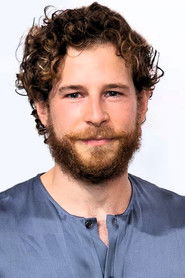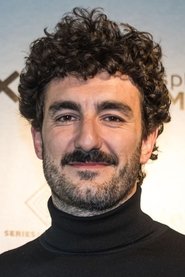
Miki Esparbé
Jan

During the Spanish Civil War, sworn enemies must work together when they encounter flesh-eating zombies created in a Nazi experiment.
I’ll admit it: I went into Valley of the Dead expecting a gimmick. A Spanish Civil War zombie flick with Nazis? It sounded like the kind of premise that collapses under its own weight—too many genres, too many factions, too much history to juggle.
But somewhere between the mud-splattered trenches and the first undead lunge, I realized this film isn’t trying to reinvent the wheel. It’s just trying to roll it down a hill that hasn’t been used for a zombie movie before. That hill is 1938 Spain, a country already tearing itself apart.
The directors, Javier Ruiz Caldera and Alberto de Toro, don’t waste time with exposition. Within minutes, we’re dropped into a skirmish between Nationalist and Republican soldiers, their uniforms caked in dirt, their voices raw from shouting. The camera lingers on the absurdity of it all—men killing each other over ideology while the real enemy, it turns out, is something that doesn’t care about fascism or communism.
The zombies here aren’t the slow, shambling kind; they’re fast, vicious, and born from Nazi experimentation, a detail that feels less like a plot point and more like a dark joke about how war turns people into monsters in more ways than one.
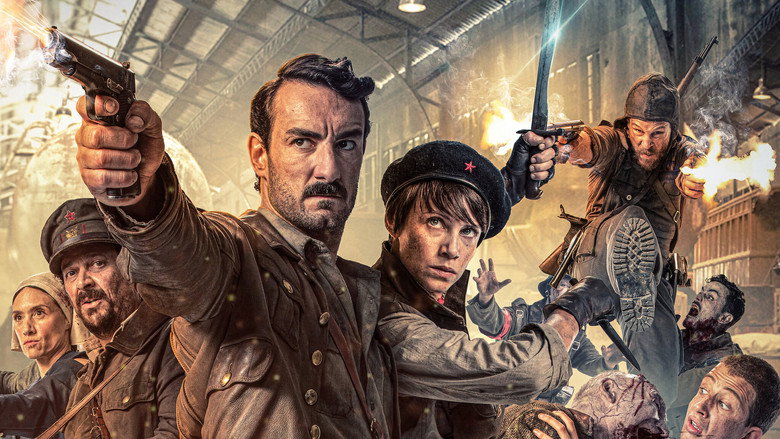
The film’s greatest strength is its refusal to let the zombies overshadow the humans. The real tension isn’t in the gore (though there’s plenty of that) but in the uneasy alliance between the two sides. Miki Esparbé and Aura Garrido play a Nationalist captain and a Republican nurse, respectively, and their chemistry is the film’s secret weapon.
There’s a moment early on where they’re forced to share a cigarette, their hands brushing just long enough to make you forget, for a second, that they’re supposed to be enemies. It’s a small gesture, but it’s the kind of detail that elevates Valley of the Dead from a run-of-the-mill horror flick to something with a pulse. That said, the film isn’t without its stumbles.
The pacing lurches at times, particularly in the middle act, where the script seems to forget it’s a comedy as much as it is a horror movie. The humor is hit-or-miss—some of the one-liners land with a satisfying thwack, while others feel like they were scribbled on a napkin five minutes before shooting. And then there’s the dubbing.
Oh, the dubbing. Netflix’s English version is so tonally off that it’s hard not to wince when a character delivers a line that was clearly meant to be deadpan but comes out sounding like a Saturday morning cartoon. But let’s talk about the nun.
Yes, the nun. One of the film’s most memorable scenes involves a sister of the cloth wielding a lupara (a sawed-off shotgun) with the precision of a seasoned hitman. She’s not there to proselytize; she’s there to blow heads off, and the film treats her with a kind of reverence that’s both hilarious and oddly respectful.
It’s the kind of moment that makes you wonder what the hell you’re watching—and why you’re enjoying it so much.
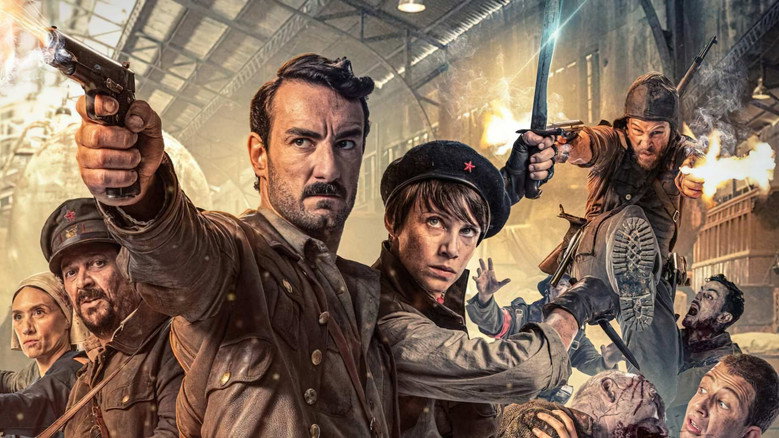
Critics have been kind, if not overly enthusiastic. Common Sense Media called it a "surprisingly fun zombie horror historical comedy," which feels about right. And Keith & the Movies hit the nail on the head when they said it’s "enough action, cool period production design, and good character work to make this a pretty entertaining stew." That’s Valley of the Dead in a nutshell: not a masterpiece, not a disaster, but a stew.
A hearty, if occasionally lumpy, one. The film’s biggest gamble is its tone. It wants to be a war movie, a horror movie, and a comedy all at once, and for the most part, it pulls it off.
The problem is that these genres don’t always play nice. There’s a scene where a character delivers a monologue about the futility of war while zombies claw at the door behind him. It’s a powerful moment, but it’s undercut by the fact that, just minutes earlier, we were laughing at a soldier slipping on a severed hand.
The film never quite decides whether it wants to be The Dirty Dozen or Shaun of the Dead, and so it ends up somewhere in the middle—fun, but not quite sure what it’s trying to say. That ambiguity might be the point, though. The Spanish Civil War was a conflict where the lines between good and evil were blurred from the start, and Valley of the Dead leans into that moral murkiness.
The zombies aren’t just a threat; they’re a metaphor for the dehumanization of war, a force that turns men into monsters regardless of which side they’re on. The film doesn’t dwell on this too much—it’s not that kind of movie—but it’s there, lurking beneath the surface like one of the undead waiting to pounce.
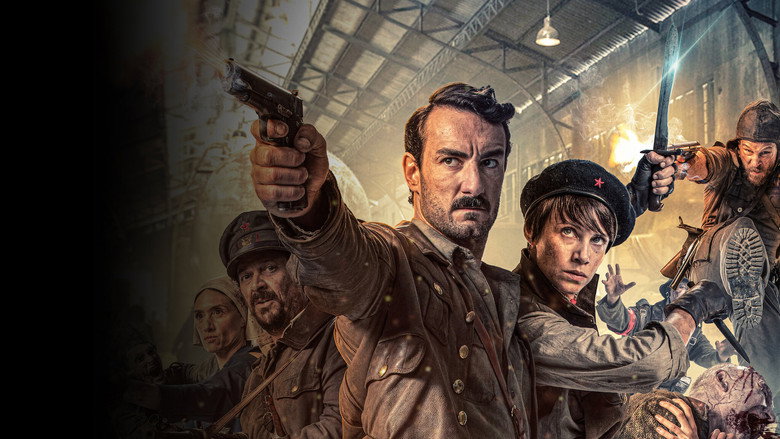
If you’re looking for deep thematic resonance, you won’t find it here. Valley of the Dead is a film that knows exactly what it is: a B-movie with ambition, a genre flick with a little extra meat on its bones. It’s the kind of movie that’s easy to dismiss as disposable until you realize, hours later, that you’re still thinking about that nun with the shotgun. Or the way the two leads looked at each other when they thought no one was watching.
Or the fact that, in the end, the zombies weren’t the scariest thing in the valley. That’s the trick, isn’t it? The best horror movies aren’t about the monsters.
They’re about the people who have to face them. And in Valley of the Dead, the people are worth facing the monsters for. Even if the monsters are just a stand-in for the real horrors of history.
"A messy but entertaining Spanish zombie-war mashup with flashes of dark humor and gore."
The film tries to blend horror, war, and comedy, with flashes of creativity in the zombie designs and action sequences. The execution is uneven, though: pacing problems and a script that can't balance its genres leave some scenes tonally disjointed or underdeveloped.
Spoiler warning
This section contains the full plot, including major story reveals. Overview above stays spoiler-free.
Valley of the Dead (2020), the Spanish horror-comedy mashup of war and zombies, arrived with a reputation for being as messy behind the scenes as its undead hordes were on screen. Directed by Alberto de Toro and Javier Ruiz Caldera, the film promised a fresh twist on the zombie genre—Nazi experiments gone wrong in the Spanish Civil War—but its journey to release was anything but smooth.
Before cameras rolled, Valley of the Dead (originally titled Malnazidos) spent years bouncing between studios. The concept—a blend of Inglourious Basterds and 28 Days Later—was ambitious, but Spanish producers were wary of backing a high-budget horror film. Rumors suggest the script was rewritten multiple times to balance its dark humor with gore, a tightrope that even its directors admitted was tricky. Caldera, known for lighter comedies like Spanish Affair, was an unexpected choice for a zombie flick, but his knack for tone-shifting may have been the secret weapon the project needed.
The ensemble cast—led by Miki Esparbé (The Bar) and Aura Garrido (El Ministerio del Tiempo)—was reportedly assembled in a hurry after initial financing fell through. Sources claim some actors joined mere weeks before shooting began, forcing the crew to adapt on the fly. Jesús Carroza, who plays a grizzled soldier, later hinted at the film’s breakneck pace in a since-deleted social media post, calling it "a war zone of its own" [unconfirmed].
Adding to the pressure, the production faced location scouting nightmares. The film’s eerie Spanish Civil War setting required remote, period-accurate backdrops, but budget constraints forced the team to shoot in fewer locations than planned. Some scenes were reportedly rewritten to accommodate the limitations, including a key zombie horde sequence that was originally scripted for an open battlefield but ended up in a cramped bunker.
After wrapping, Valley of the Dead hit another snag: distribution. The film’s mix of horror, comedy, and war themes confused potential buyers, and it languished in post-production for nearly two years. Rumors swirled that the directors clashed over the final cut, with de Toro pushing for more gore and Caldera advocating for sharper humor. The standoff allegedly delayed the film’s release until Netflix stepped in, snapping up the rights and giving it a second life in 2022.
The streaming giant’s involvement came with its own drama. Netflix reportedly demanded a title change (from Malnazidos to Valley of the Dead) to avoid confusion with other zombie films, a move that frustrated some of the cast and crew who had grown attached to the original name. The platform also pushed for a more polished, less chaotic edit, leading to additional reshoots and VFX tweaks—though how much of the final product reflects these changes remains unclear.
Despite its troubled production, Valley of the Dead has carved out a niche among horror fans. Its unique setting and darkly comedic tone have earned it comparisons to Shaun of the Dead meets Pan’s Labyrinth, though critics remain divided. Some praise its ambition, while others argue the tonal whiplash undermines its potential.
What’s undeniable is that the film’s behind-the-scenes struggles mirror its on-screen chaos. From last-minute casting to Netflix’s rescue, Valley of the Dead is a sign of how even the most troubled productions can rise from the dead—if only barely.
Entertainment rumors and trivia aggregated from public reporting. Treat speculation as unverified unless a cited source confirms it.
More titles in the same genres and with the same cast.