Sompob Benjathikul
Phong

“A truth you've never known, that makes you doubt what you know.”
When two siblings stumble on a strange hole in the wall of their grandparents' house, horrifying incidents reveal sinister secrets about their family.
Official
I’ve always been drawn to horror that doesn’t just jump at you—it seeps in. The kind that lingers in the corners of your vision long after the credits roll, like a half-remembered dream you can’t shake. The Whole Truth (2021), Wisit Sasanatieng’s latest foray into Thai horror, is that kind of film. Or at least, it tries to be.
The problem is, by the time it decides what it wants to say, the damage is already done—and not the kind that leaves you unsettled in a good way.
The setup is simple, almost deceptively so: two siblings, a brother and sister, return to their grandparents’ house and discover a strange hole in the wall. A hole that shouldn’t be there. A hole that, like all good horror tropes, becomes a portal to something far worse than rot or decay.
The synopsis promises "sinister secrets" about their family, and for a while, the film delivers on that promise—just not in the way you might expect.
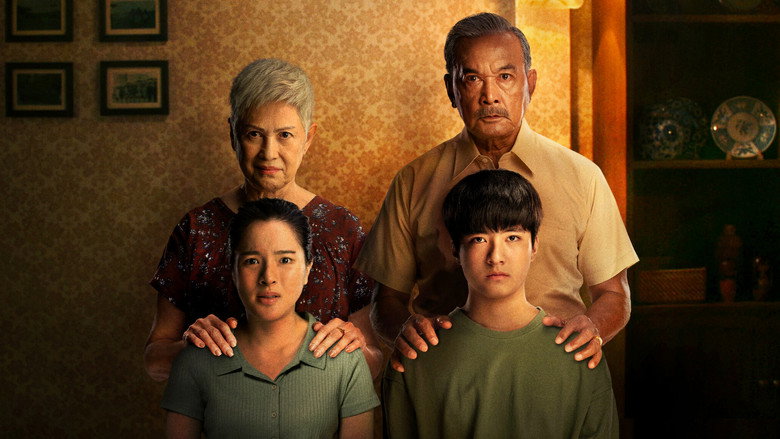
Wisit Sasanatieng has never been a director to shy away from style. His earlier work, like Tears of the Black Tiger, is a riot of color and excess, a love letter to pulp cinema that’s as much about the look as it is about the story. The Whole Truth is quieter, more restrained, but no less deliberate. The camera lingers on empty spaces—the kind of shots that make you feel like you’re being watched.
The lighting is muted, all blues and grays, as if the film itself is holding its breath. And for the first act, it works. The tension is palpable, the dread slow and creeping.
But here’s the thing about slow-burn horror: it only works if the burn leads somewhere. And this is where The Whole Truth starts to unravel. The film’s runtime—125 minutes—feels like a miscalculation.
Not because it’s too long, but because it doesn’t seem to know what to do with all that time. The first hour is all atmosphere, all buildup, all the promise of something truly unsettling. And then, suddenly, it isn’t.
The mystery of the hole in the wall is resolved in a way that feels both too literal and too vague, like a magician explaining a trick only to reveal that the trick was never that impressive to begin with.
There’s a scene about halfway through that sticks with me, not because it’s particularly scary, but because it’s so weird. The siblings, now fully aware that something is very wrong in their grandparents’ house, sit down for a meal with their family. The camera holds on their faces—one by one—as they eat in silence.
The grandmother, played by the veteran actress Tarika Thidathit, stares at her plate with an expression that’s equal parts exhaustion and something far more unsettling. It’s not fear. It’s recognition.
As if she’s known all along what was coming. The moment is eerie, not because of what happens, but because of what doesn’t. No one speaks.
No one reacts. It’s as if the horror has already happened, and all that’s left is the waiting.
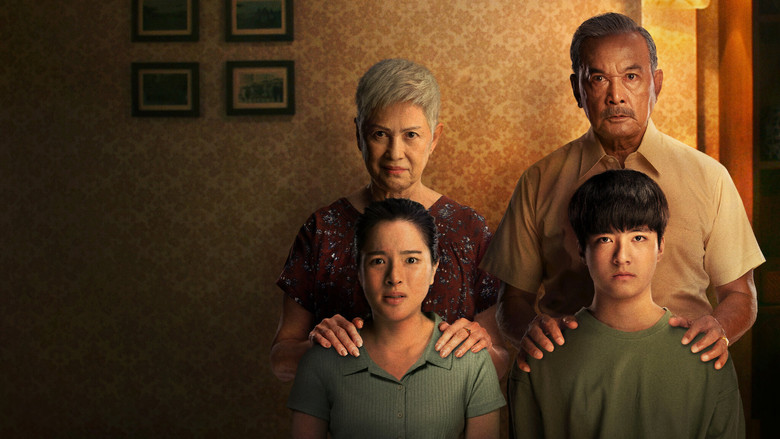
That scene is The Whole Truth in microcosm. It’s a film that understands the power of silence, of stillness, of the things left unsaid. But it also feels like it’s afraid to commit to any one idea.
Is it a ghost story? A psychological thriller? A family drama with supernatural elements?
The answer, frustratingly, is all of the above—and none of them fully. The horror elements are there, but they’re undercut by a script that can’t decide whether it wants to be subtle or explicit. The family secrets are hinted at, but never fully explored.
The hole in the wall is a great metaphor—something hidden, something buried—but the film never quite figures out what to do with it.
The performances, at least, are strong. Sutatta Udomsilp, who plays the sister, has a quiet intensity that grounds the film. She’s the audience’s anchor in a story that keeps threatening to drift into incoherence.
And Sompob Benjathikul, as the grandfather, is a masterclass in understated menace. There’s a moment where he’s sitting in a chair, staring at nothing, and the camera holds on him for just a beat too long. It’s not a jump scare.
It’s not even a particularly dramatic moment. But it’s the kind of scene that makes you lean forward in your seat, because you know something is coming—you just don’t know what.
That’s the problem, though. Something is always coming, but it rarely arrives. The film’s third act is a mess of half-formed ideas and rushed revelations.
The supernatural elements, which had been so carefully teased, suddenly become the focus, but they feel tacked on, like an afterthought. The family secrets, which had been the emotional core of the story, are resolved in a way that feels more convenient than satisfying. And the hole in the wall?
Well, let’s just say the explanation is less horrifying than the mystery.
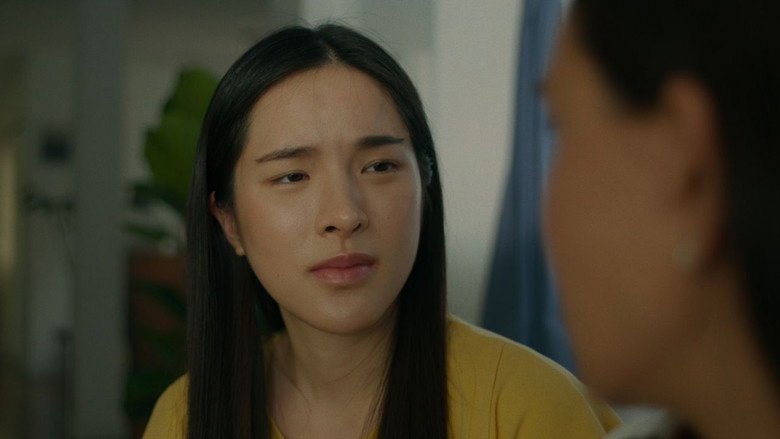
I keep coming back to that meal scene. The silence. The way the family just sits there, as if they’ve already accepted their fate.
It’s the most honest moment in the film, the one that feels like it’s actually about something. The rest of The Whole Truth is too busy trying to be a horror movie to remember that the best horror isn’t about monsters or ghosts or holes in the wall. It’s about the things we can’t say, the things we can’t face.
The things we bury.
Maybe that’s the point. Maybe the film is deliberately frustrating, a reflection of the way secrets fester and distort the truth. But if that’s the case, it’s a risky gamble—and one that doesn’t entirely pay off.
Because in the end, The Whole Truth feels like a film that’s hiding something from itself. And that’s the scariest thing of all.
"A visually striking Thai horror with eerie atmosphere but a convoluted plot that leaves viewers divided."
An unsettling tone and strong performances, especially from the young cast, make it chilling for horror fans. The muddled twists frustrate those wanting a tighter story or clearer ending; some like the slow burn, others find it meandering.
Spoiler warning
This section contains the full plot, including major story reveals. Overview above stays spoiler-free.
Thai director Wisit Sasanatieng is no stranger to genre-blending cinema, but The Whole Truth (2021) marked his first full dive into supernatural horror—a shift that had fans buzzing. Known for visually lush films like Tears of the Black Tiger, Sasanatieng brought his signature style to Netflix’s first Thai original horror movie, delivering a chilling family drama with a twist. Here’s what we know about the making of this eerie thriller.
Wisit Sasanatieng built his reputation on vibrant, stylized films that pay homage to classic Thai cinema. The Whole Truth was a departure, leaning into horror and psychological tension rather than his usual action or romance hybrids. The film’s original Thai title, Bprìtsànăa roo lŏn (translated loosely as "The Whole Truth"), hints at its layered narrative, where secrets unravel in terrifying ways. While the evidence doesn’t reveal why Sasanatieng chose horror for this project, his knack for atmospheric storytelling translated well—judging by the film’s mixed but engaged reception.
The ensemble cast included veteran actor Sompob Benjathikul alongside rising stars like Sutatta Udomsilp (Hormones) and Nattapat Nimjirawat (Bad Genius). Udomsilp, in particular, has been a standout in Thai cinema, and her role in The Whole Truth added to her growing portfolio of complex characters. The chemistry among the cast—especially the younger actors—was noted in reviews, with some critics praising their ability to balance family drama with supernatural dread.
The Whole Truth was one of Netflix’s early pushes into Thai original content, arriving at a time when the platform was expanding its Asian horror slate. The film’s 125-minute runtime and slow-burn tension divided audiences—some called it a gripping mystery, while others found it uneven. Still, it helped pave the way for more Thai horror on streaming, proving there was an appetite for local supernatural stories with global appeal.
Despite the buzz, details about the film’s production remain scarce. There’s no confirmed budget, shooting locations, or behind-the-scenes drama in the available evidence. Rumors about reshoots or script changes are unconfirmed, and Sasanatieng hasn’t publicly discussed challenges during filming. If more details emerge, they’ll likely come from Thai entertainment outlets or cast interviews—not the current sources.
The Whole Truth may not have been a critical darling (scoring a modest 5.2/10 on SensCritique), but it’s a notable entry in Wisit Sasanatieng’s filmography. His visual flair and the cast’s performances kept it afloat, even if the pacing frustrated some viewers. For horror fans, it’s a curious case of a director stepping outside his comfort zone—and for Thai cinema, it’s another sign that supernatural thrillers are here to stay.
Entertainment rumors and trivia aggregated from public reporting. Treat speculation as unverified unless a cited source confirms it.
More titles in the same genres and with the same cast.