Erica Wessels
Jodie Snyman

A special crimes investigator forms an unlikely bond with a serial killer to bring down a global child sex trafficking syndicate.
Official
I kept waiting for I Am All Girls to flinch. For the camera to cut away, for the score to swell with righteous anger, for the script to give its characters an easy out. But it doesn’t.
Instead, it lingers in the moral gray, forcing us to sit with the uncomfortable truth that justice sometimes requires shaking hands with monsters.
The film follows Jodie Snyman (Erica Wessels), a special crimes investigator in South Africa, as she hunts a serial killer who targets men involved in child sex trafficking. The twist? The killer, Ntombizonke Bapai (Masasa Mbangeni), is working with Jodie—not as an informant, but as a partner in vengeance.
Their alliance is uneasy, built on shared trauma and a mutual understanding that the legal system has failed the very girls they’re trying to avenge. The film’s title isn’t just poetic; it’s a promise. Ntombizonke doesn’t just kill for herself.
She kills for all of them.
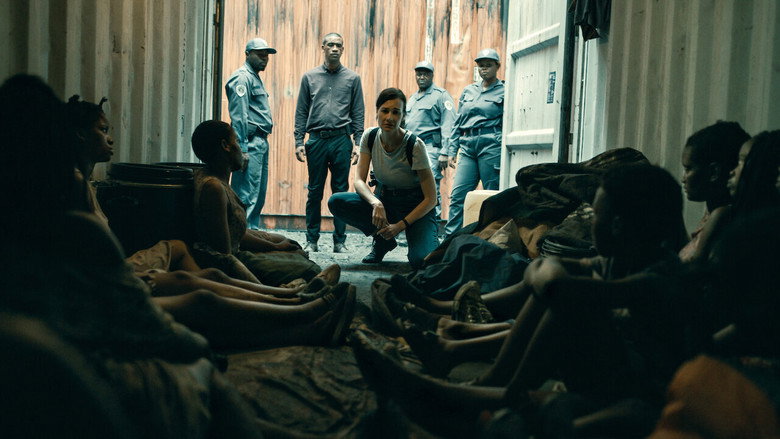
What makes I Am All Girls more than just another crime thriller is its refusal to simplify its villains. The traffickers aren’t mustache-twirling monsters; they’re bureaucrats, businessmen, and family men who move through the world with the same casual entitlement as the men who catcall on the street. The film’s most chilling scene isn’t a murder—it’s a dinner party, where a group of wealthy men laugh over wine while discussing the "supply chain" of children as if they’re debating stock options.
The camera doesn’t need to zoom in on their faces. The horror is in how ordinary they look.
Director Donovan Marsh leans into this ordinariness, using a muted color palette and handheld camerawork to ground the story in a grim, almost documentary-like realism. The film’s South African setting isn’t just backdrop; it’s a character in itself, a country where the scars of apartheid and systemic inequality still fester beneath the surface. The trafficking ring Jodie and Ntombizonke are dismantling isn’t some shadowy cabal—it’s a network of powerful men who’ve learned how to exploit the cracks in a broken system.
The film’s most damning indictment isn’t of the criminals, but of the institutions that enable them.
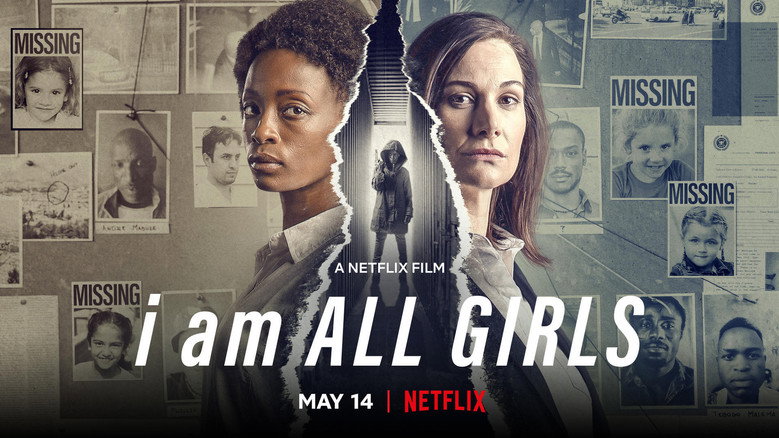
If there’s a flaw here, it’s that the film occasionally stumbles under the weight of its own ambition. The procedural elements—Jodie’s investigation, the cat-and-mouse game with the traffickers—sometimes feel like they belong to a different, more conventional thriller. The script’s attempts to humanize Ntombizonke through flashbacks to her own trauma risk veering into melodrama, and a late-film twist strains credulity.
But these missteps are forgivable because the film’s core premise is so compelling: What happens when the only way to stop evil is to become a little bit evil yourself?
Wessels and Mbangeni anchor the film with performances that are as much about what they don’t say as what they do. Jodie is a woman who’s spent her career playing by the rules, only to realize the rules were never meant to protect the powerless. Wessels plays her with a quiet exhaustion, her body language betraying the toll of years spent staring into the abyss.
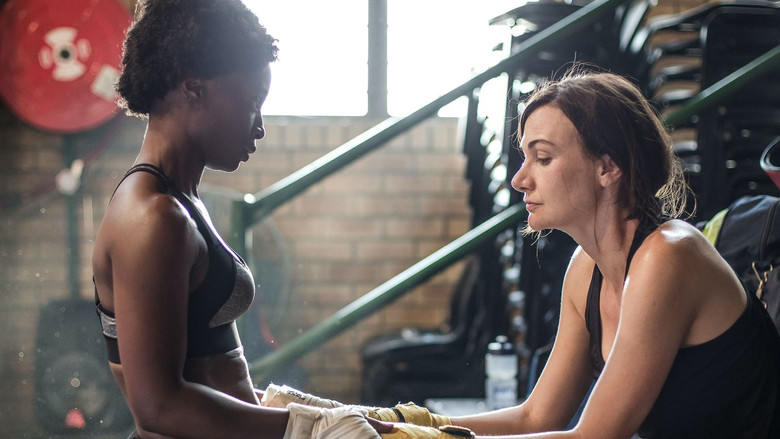
Mbangeni’s Ntombizonke is more enigmatic, her motives obscured by a veneer of cold calculation. But in their scenes together, there’s a flicker of something like kinship—two women who’ve been failed by the same system, now bound by a shared, terrible purpose.
The film’s ending is deliberately ambiguous, refusing to tie up its moral dilemmas in a neat bow. (I won’t spoil it, but suffice to say, it left me unsettled in the best way.) I Am All Girls isn’t interested in easy answers. It’s a film that forces you to ask: How far would you go to protect the innocent?
And at what cost?
That’s a question that lingers long after the credits roll. Maybe that’s the point.
"A gritty but uneven crime thriller that struggles with pacing and predictability despite strong performances."
The dark tone and lead performances, particularly from Erica Wessels and Deon Lotz, give the crime story depth. The plot is formulaic, though, and slow pacing and underdeveloped side characters blunt its impact. The thriller elements are engaging but never escape familiar tropes.
Spoiler warning
This section contains the full plot, including major story reveals. Overview above stays spoiler-free.
Netflix’s 2021 crime thriller I Am All Girls arrived with a punch, blending a dark narrative with real-world stakes. Directed by Donovan Marsh, the film dives into South Africa’s underbelly, following a detective and a vigilante as they hunt down child traffickers. But what went into bringing this tense, socially charged story to life? latestnetflix.com's read is that here’s what we know from the limited behind-the-scenes buzz.
The film’s marketing leaned heavily on its connection to true events. Netflix’s own promotional material described I Am All Girls as "inspired by true events," with a dedicated video segment exploring the real-life horrors of child trafficking that mirror the movie’s plot. While the specifics of which cases influenced the script remain unverified, the film’s premise aligns with ongoing global conversations about exploitation and justice. The trailer and panel discussions emphasize the gravity of the subject, suggesting the creators aimed for authenticity rather than pure fiction.
Erica Wessels and Deon Lotz lead the ensemble, with Wessels playing a detective entangled in a morally complex investigation. The supporting cast—including Masasa Mbangeni, Hlubi Mboya, and Brendon Daniels—brings depth to a story that balances procedural tension with emotional weight. Director Donovan Marsh, known for his work on action and thriller projects, reportedly pushed for a raw, unflinching tone. While details about on-set dynamics are scarce, the film’s 107-minute runtime and 6/10 rating on SensCritique suggest a tightly paced but divisive experience.
Netflix’s involvement likely shaped the film’s production scale. Listed as a Netflix original, I Am All Girls premiered on the platform in May 2021, alongside other international titles. The streaming giant’s global reach may have amplified the film’s message, though it’s unclear how much creative control the studio exerted over the final cut.
The film’s subject matter sparked discussions about how Hollywood tackles sensitive topics. A "Trigger Warning" video from Netflix highlights the movie’s graphic content, preparing viewers for its unrelenting portrayal of violence against children. Critics and audiences were split: while some praised its bold storytelling, others found its execution heavy-handed. The 6/10 rating on SensCritique reflects this divide, with nearly 500 votes casting it as a middling effort.
Behind-the-scenes details about conflicts or challenges during production are notably absent from available sources. No reports of on-set drama, reshoots, or budget overruns surfaced in the retrieved evidence, leaving the film’s development largely opaque.
I Am All Girls stands out as a rare South African thriller on Netflix, leveraging its platform to spotlight a pressing issue. While the behind-the-scenes story remains thin, the film’s commitment to its theme—whether through casting, direction, or marketing—suggests a project driven by purpose over spectacle. For fans of crime dramas with a social edge, it’s a gripping watch, even if its execution isn’t universally loved.
Entertainment rumors and trivia aggregated from public reporting. Treat speculation as unverified unless a cited source confirms it.
More titles in the same genres and with the same cast.