Gary Oldman
Herman Mankiewicz
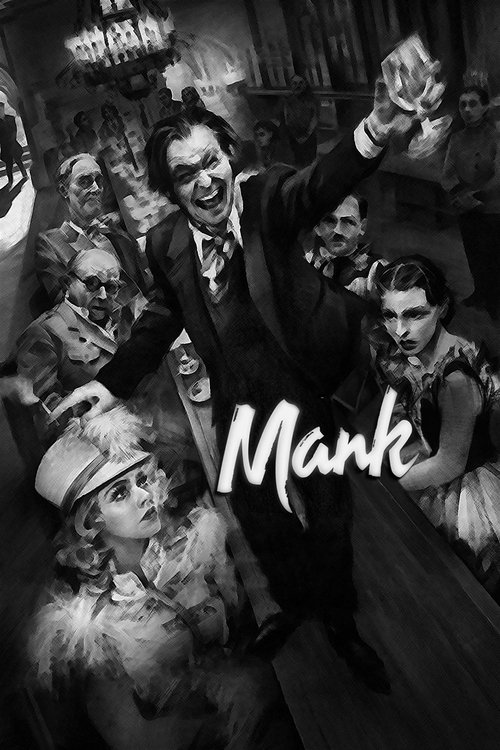
1930s Hollywood is reevaluated through the eyes of scathing social critic and alcoholic screenwriter Herman J. Mankiewicz as he races to finish the screenplay of Citizen Kane.
I’ve always been suspicious of origin stories. They’re too neat, too eager to explain how something great began—as if genius could ever be traced to a single moment, a single mind. Mank, David Fincher’s black-and-white love letter to Old Hollywood, knows this. It’s a film that understands the mythmaking machinery of cinema better than most, and yet it can’t resist spinning its own myth about the making of Citizen Kane.
The irony isn’t lost on me.
Fincher, a director who built his reputation on meticulous control (see: Fight Club’s anarchic precision, The Social Network’s razor-sharp dialogue), here turns his gaze to Herman J. Mankiewicz, the brilliant, self-destructive screenwriter who co-wrote Kane’s script. The film follows Mank (Gary Oldman) as he recovers from a car accident, dictating the first draft of what would become one of cinema’s most celebrated works while holed up in a desert ranch.
Around him swirls the glittering, cutthroat world of 1930s Hollywood: studio bosses, starlets, and the looming specter of Orson Welles, the boy wonder who would later take sole credit for Kane’s screenplay.
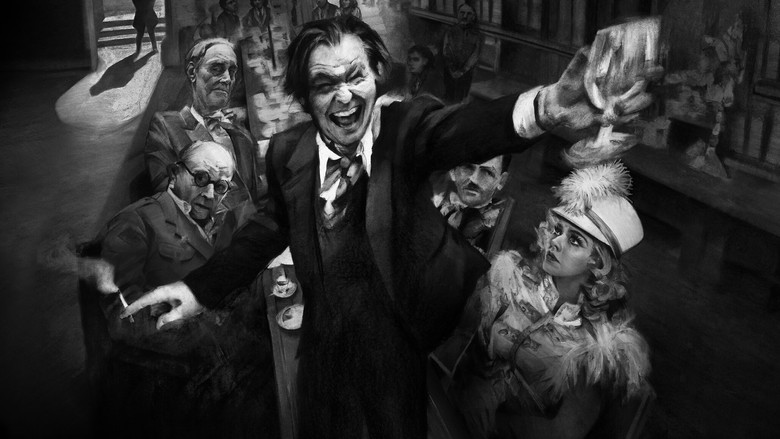
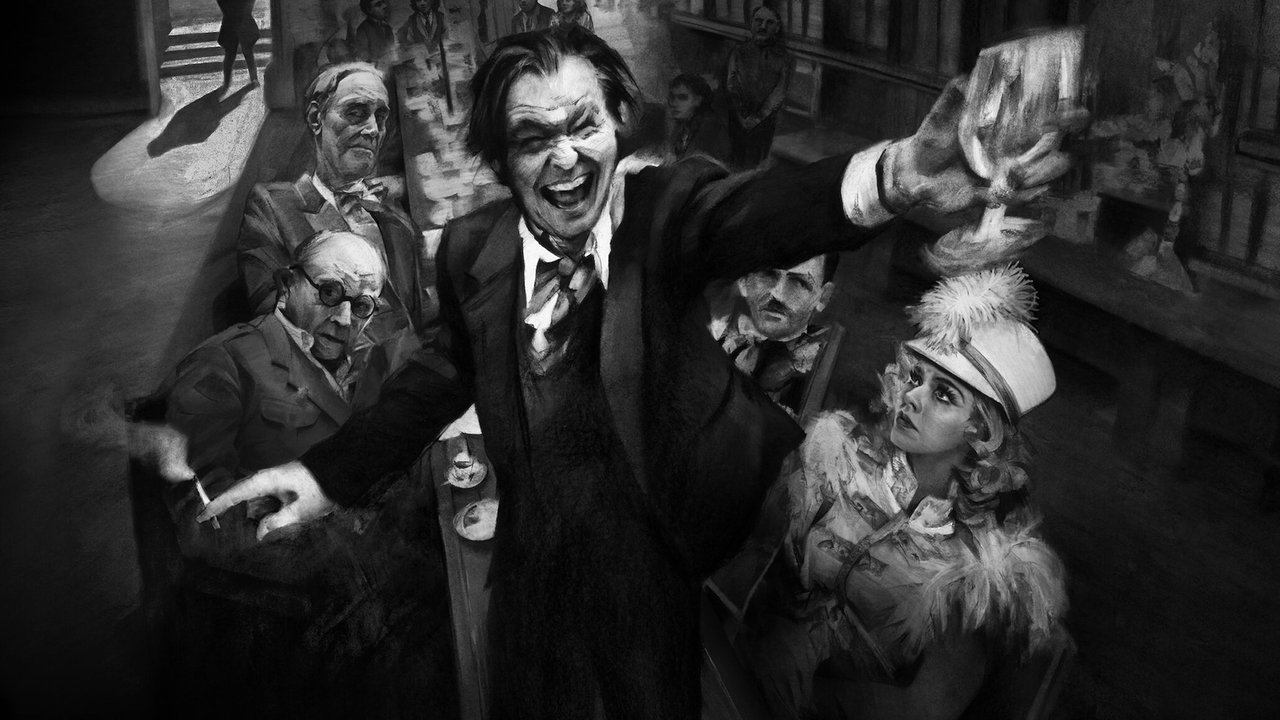
The choice to shoot in black-and-white isn’t just an aesthetic nod to Citizen Kane; it’s a statement of intent. Fincher isn’t just recreating the past—he’s interrogating how we remember it. The film’s visual language is a mix of deep focus and chiaroscuro lighting, evoking the look of classic Hollywood while also feeling distinctly modern.
There’s a tension here, one that runs through the entire movie: Mank wants to honor the era it depicts, but it also wants to expose its hypocrisies. The result is a film that feels like a time capsule and a critique all at once.
Take the scene where Mank attends a lavish party at San Simeon, William Randolph Hearst’s sprawling estate. The camera glides through the crowd, capturing the opulence—the champagne, the jewels, the laughter—while Mank, ever the outsider, drifts through it all with a drink in hand and a smirk on his face. The dialogue crackles with wit, but there’s an undercurrent of bitterness.
Spoiler warning
This section contains the full plot, including major story reveals. Overview above stays spoiler-free.
David Fincher’s Mank (2020) isn’t just a love letter to classic Hollywood—it’s a meticulously crafted homage with its own share of behind-the-scenes intrigue. The film, which reimagines the creation of Citizen Kane through the eyes of screenwriter Herman J. Mankiewicz (Gary Oldman), blends biopic drama with sharp industry satire. latestnetflix.com's take is that but its journey to the screen was nearly as contentious as the golden-age Hollywood it depicts.
The origins of Mank stretch back to the 1990s, when Fincher’s father, journalist Jack Fincher, wrote the screenplay  . The elder Fincher, a film buff and writer, crafted the script as a tribute to Mankiewicz, the sharp-witted scribe behind Citizen Kane (1941). Decades later, David Fincher revived the project, turning it into a Netflix-backed passion project. The film’s black-and-white cinematography and period-accurate dialogue reflect Fincher’s obsession with authenticity—right down to the typewriters and whiskey bottles of 1930s Tinseltown .
Mank reignited a long-simmering debate: Who really wrote Citizen Kane? The film leans into the idea that Mankiewicz, not Orson Welles, was the primary creative force behind the masterpiece—a claim that’s been hotly disputed for decades . While Mank doesn’t settle the argument, it frames Mankiewicz as a brilliant but self-destructive figure, drowning his genius in alcohol and bitterness. The movie’s portrayal of William Randolph Hearst (Charles Dance) as a vindictive media mogul also stirred conversation, with some critics arguing it took creative liberties with history .
Fincher’s reputation for perfectionism is well-documented, and Mank was no exception. The director reportedly demanded exacting recreations of 1930s Hollywood, from the costumes to the sound design . Gary Oldman, who played Mankiewicz, described the shoot as intense but rewarding, with Fincher pushing for performances that felt authentic to the era . The film’s visual style—shot in black-and-white with a 1940s aspect ratio—was a deliberate choice to mirror Citizen Kane’s aesthetic, though it divided audiences accustomed to modern color palettes .
Despite its technical achievements, Mank received a lukewarm response from some critics. While praised for its performances (particularly Amanda Seyfried as Marion Davies) and cinematography, others found it overly nostalgic or slow . Still, the film earned 10 Oscar nominations, including Best Picture, and won for Best Cinematography and Best Production Design—proof that Fincher’s vision resonated with industry insiders, even if general audiences were less enthusiastic .
As a Netflix original, Mank bypassed traditional theatrical releases, a decision that sparked debate about the future of cinema. Fincher, a longtime advocate for streaming, embraced the platform’s reach, though some purists argued the film deserved a big-screen debut . The streaming giant’s marketing push—including trailers that highlighted the film’s Citizen Kane connections—helped position Mank as a prestige project, even if its box-office potential was never tested .
Entertainment rumors and trivia aggregated from public reporting. Treat speculation as unverified unless a cited source confirms it.