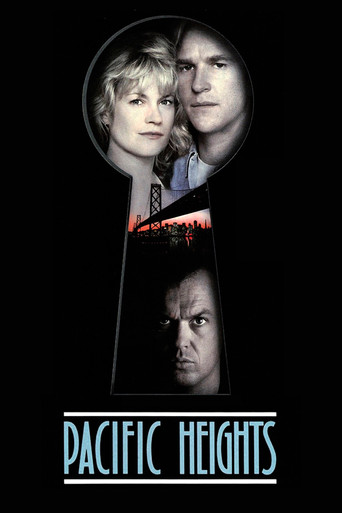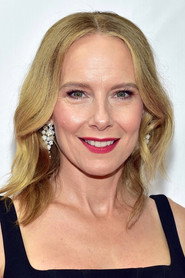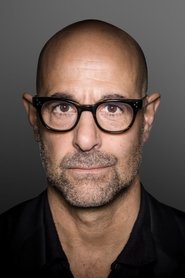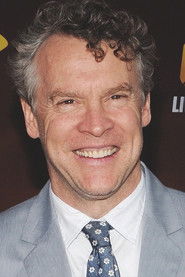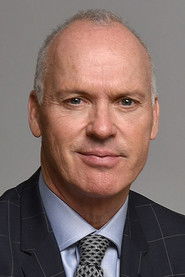
Michael Keaton
Kenneth Feinberg

“Our national tragedy. Their personal suffering. His impossible task.”
Kenneth Feinberg, a powerful D.C. lawyer appointed Special Master of the 9/11 Fund, fights off the cynicism, bureaucracy, and politics associated with administering government funds and, in doing so, discovers what life is worth.
Official
Most films about 9/11 try to outrun the day. They either flood the frame with feeling or hide in procedure, as if the only allowed tones were weeping or accounting. Worth stays with the arithmetic. Not body counts.
Not insurance trivia. The uglier column. How do you write a dollar amount next to a life, and what does that job do to the person holding the pen.
Michael Keaton plays Kenneth Feinberg, the Washington lawyer Congress picks to run the September 11th Victim Compensation Fund. Billions for families of the dead. Legal limits, political heat, and pain that will not fit a form.
We already know, in outline, that some version of the fund will go out. The movie watches the cost of getting there.
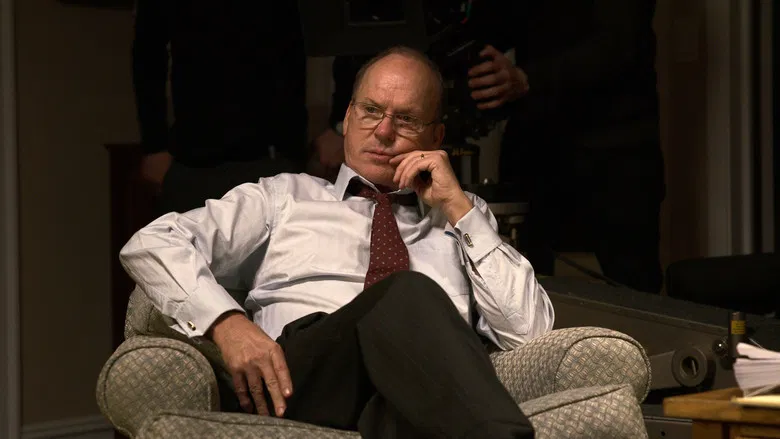
Keaton keeps the performance small. Not a hero. Not a monster.
A man who still believes, at the start, that the law can stay even-handed if he keeps his voice level. Early on he lays out the fund's rules to a room of families with the same dry precision he would use in court. The room turns on him.
His face does not shatter. Certainty just leaves it. RogerEbert.com argued that the film will not flatten Feinberg's path, and that is the right pressure. Keaton skips the redemption arc.
What you get is a slow fray. He begins as a believer in systems. He ends asking whether any system can meet a missing person.
The scenes that stay with me are not only the family meetings, though those are brutal. They are the office fights about the formula. Feinberg and his colleague Camille Biros, played by Amy Ryan, argue the value of a life.
Should a stockbroker's family receive more than a janitor's. What about a firefighter who died getting other people out. The questions have no clean answer, and the film does not fake one.
Ryan plays the warmth. Keaton plays the clip and the clock. They are both going under.
They never name that.
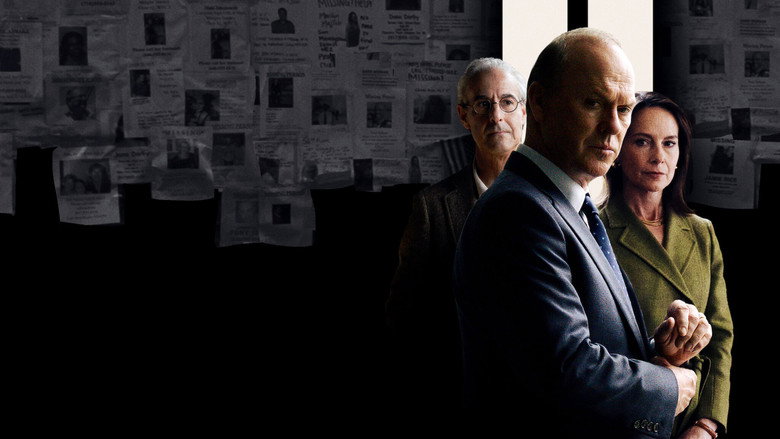
Worth treats grief as a force that rearranges rooms, not as a cue for music. Early shots live in sterile offices and hard light, spaces built to process suffering instead of feel it. Later the camera waits on a family photo on a desk, a child's drawing taped to a wall, a widow's hands shaking as she signs.
The film does not raise its voice. Those details do the work.
A 9/11 movie can become a memorial that honors the dead and asks nothing of anyone still here. Worth steps around that trap. The morning is offscreen. The subject is the paperwork that follows the smoke.
Messy, legal, morally ugly labor, trying to make a wrong less wrong when right is not available. Feinberg's real work later reached other disasters, including the BP oil spill. The film only glances at that longer ledger.
One national trauma. Then the habit of pricing what cannot be priced.
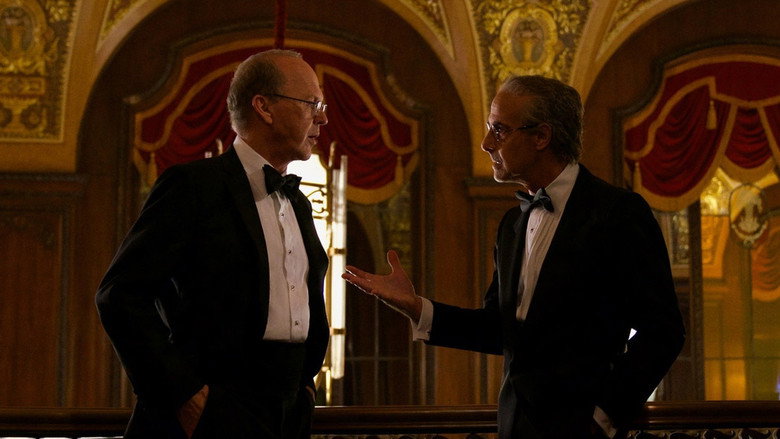
The last stretch refuses a swell. Feinberg does not solve grief. He walks away from us, back to the camera, still carrying the job. This genre usually wants a release. The film will not give you one.
I walked out thinking about the private columns we keep anyway. Money, memory, some other unit we pretend will balance. Feinberg's story says some debts do not close. The film asks you to sit in that discomfort. I would not have trusted a neater ending.
"A compelling but emotionally heavy drama anchored by Michael Keaton."
Viewers value its serious, in-depth look at the 9/11 Victim Compensation Fund and Michael Keaton's Kenneth Feinberg in particular. Some find the somber, procedural subject slow or dense.
Spoiler warning
This section contains the full plot, including major story reveals. Overview above stays spoiler-free.
Netflix’s Worth (2021) dives into the high-pressure world of post-9/11 compensation battles, with Michael Keaton leading a star-studded cast. The film, based on true events, follows attorney Kenneth Feinberg as he navigates the emotionally charged task of assigning monetary value to the lives lost in the 2001 attacks. latestnetflix.com's take is that while the subject matter is heavy, the behind-the-scenes buzz suggests Keaton’s performance—and the film’s real-world connections—are the real draw.
Michael Keaton has called Worth one of his most personal projects, and the role clearly left an impact. In interviews, he described the film as a "wake-up call," particularly in how it forced him to confront the bureaucratic and moral complexities of Feinberg’s work. The actor, known for his versatility in both drama and comedy, reportedly immersed himself in the role, though specifics on his preparation remain scarce in the available evidence.
Keaton’s co-stars, including Stanley Tucci and Amy Ryan, bring their own gravitas to the project. Tucci, who plays Feinberg’s colleague, and Ryan, as a 9/11 widow, round out a cast that balances legal procedural tension with raw emotional weight. The film’s trailer hints at sharp dialogue and high-stakes negotiations, but whether the script fully delivers on that promise is a question left to critics and audiences.
Worth isn’t just a dramatization—it’s rooted in real events. The film explores Feinberg’s role as the special master of the September 11th Victim Compensation Fund, a job that required him to make impossible decisions about financial restitution for victims’ families. Netflix has leaned into this angle, promoting the movie as a "true story" and releasing supplementary content, like a short documentary-style featurette, to underscore its authenticity.
However, the evidence doesn’t clarify how closely the film adheres to real-life events or whether creative liberties were taken. For instance, the portrayal of Feinberg’s interactions with families—some of whom resisted his methods—is central to the narrative, but the specifics of these exchanges remain unverified in the available sources.
Early reactions to Worth appear divided. Some reviews praise Keaton’s performance and the film’s attempt to tackle a sensitive subject, while others question whether the script fully captures the emotional and ethical weight of its premise. The Rotten Tomatoes listing confirms the cast but offers no aggregate score or critical consensus, leaving the film’s reception somewhat opaque.
Netflix, which distributed Worth, has positioned it as a prestige drama, but the lack of widespread buzz suggests it hasn’t broken through as a major awards contender. The streaming giant’s marketing push, including multiple trailers, indicates confidence in the project, but whether it resonates with audiences beyond its niche appeal remains to be seen.
The available evidence leaves several gaps. There’s no confirmation of the director’s vision for the film, nor are there details about the filming process, such as on-set dynamics or challenges. Rumors about behind-the-scenes tension or creative disagreements don’t appear in the retrieved sources, so any such claims would be speculative.
Similarly, while the cast is stacked with talent, there’s no word on how the ensemble worked together or whether improvisation played a role in shaping key scenes. For a film centered on dialogue and negotiation, these details could have added depth to the behind-the-scenes story.
Entertainment rumors and trivia aggregated from public reporting. Treat speculation as unverified unless a cited source confirms it.
More titles in the same genres and with the same cast.