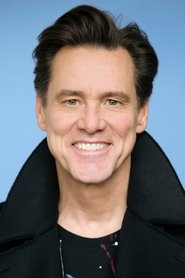
Jim Carrey
Self

Bob Saget’s friends and family honor the late comedian during a night of laughter and music with Jim Carrey, Chris Rock, Jeff Ross, John Stamos and more.
Official
I keep thinking about the way Bob Saget stood on stage. Shoulders slightly hunched. That goofy grin pulling at the corners of his mouth, as if he were about to leak a secret he probably should have kept.
He could pivot from a filthy joke to a story about his kids without dropping the rhythm. Dirty Daddy: The Bob Saget Tribute remembers that split and puts it on the table. Filmed at the Comedy Store in Los Angeles, it is a love letter to a man who spent a career walking between raunch and sentiment. The guy who made you snort-laugh.
The guy who made you tear up. Same person.
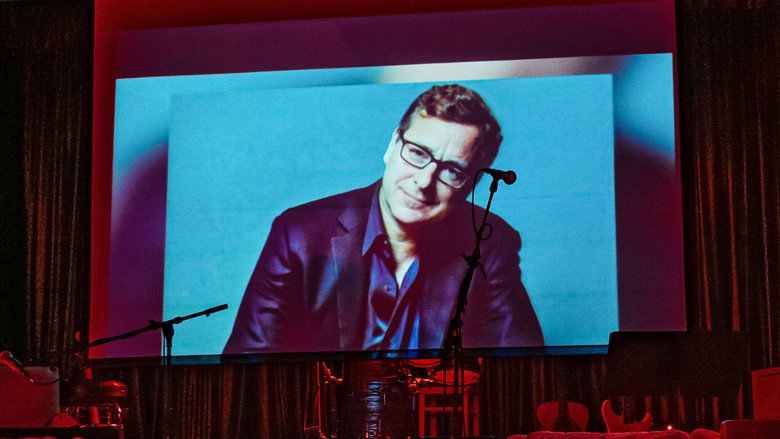
The special opens simple. A night of stories, jokes, and music from the people who knew him best. No narrative arc.
No grand thesis. A room of comedians, musicians, and friends taking turns at the mic, each offering their version of the man they lost. Jim Carrey, in one of the night's most electric stretches, does not only tell a story about Saget.
He becomes him, slipping into that familiar cadence, that self-deprecating charm. A performance inside a performance. Gimmicky in the wrong hands.
Carrey has always been a physical comic, and he understands the thing that mattered. Saget's humor lived in delivery. The pauses.
The raised eyebrows. The way his whole body seemed to vibrate with mischief he was barely containing.
That physicality is what keeps the tribute alive when it turns tender. When John Stamos takes the stage, it is as Saget's Full House co-star, and as a friend who clearly loved him. The stories are warm, nostalgic, sitcom years talked out loud.
Then he hands the mic to Jeff Ross and the room is laughing from the gut again, the kind Saget himself would have egged on. The special feeds on those jumps. Clean-cut Danny Tanner.
Then a joke filthy enough to make a sailor blush. The dad who gave life advice. The comedian who made you question how you ever let him near your kids.
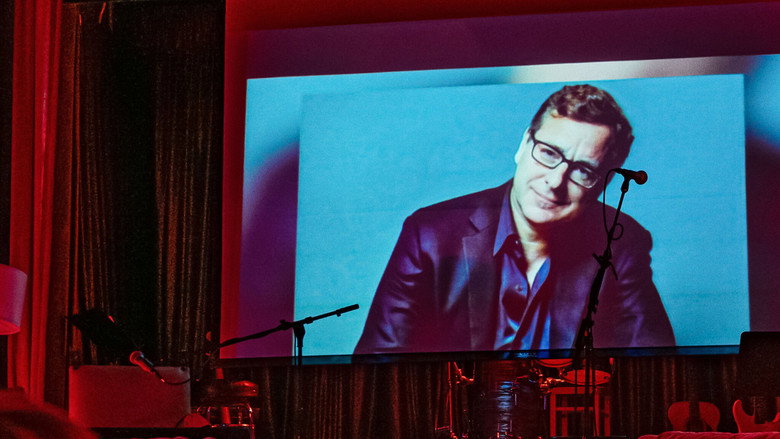
Jackson Browne performing a song he wrote for Saget is one of the quietest hits of the night, not because it is flashy, because it is still. Weathered voice, warm, filling the room. For a few minutes the laughter fades into something softer.
Saget was a friend to musicians. A guy who loved songs as much as he loved making people laugh.
The special's biggest strength is also the risk. It stays inside that night. No attempt to map Saget's legacy beyond the personal.
No tour of the career. No lecture on the cultural impact of Full House or America's Funniest Home Videos. A room of people who loved him, sharing stories and jokes and songs.
That intimacy is why it works. It is also why some viewers will want more. IMDb users called it a "heartfelt and funny tribute," and that is accurate.
Both of those things, sometimes at the same time. It is not a documentary, and it does not pretend to be. A eulogy, a roast, a celebration, sharing the same hour.
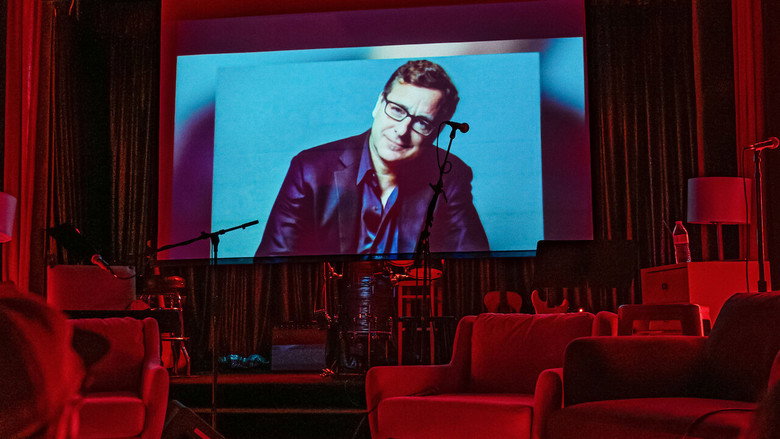
The title Dirty Daddy fits the man being honored. A nod to the raunchy stand-up that shocked audiences who only knew him as America's TV dad. Those two sides were not a problem the special needed to solve.
Saget already fused them, every time he stepped on stage. What Dirty Daddy does is let the people who knew him best show why that mix was worth a night.
You leave with a feeling rather than a takeaway. Not a definitive statement on the legacy. A snapshot of a room full of laughter and music and memory, and a decent case that the best way to honor him is to let the people who loved him talk.
If those stories make you laugh until your sides hurt, then make you reach for a tissue, that is Bob Saget.
"A heartfelt and often hilarious tribute to Bob Saget, blending raw emotion with standout comedic moments from his closest friends and collaborators."
Viewers like the mix of touching personal stories and unfiltered humor, which captures both sides of Saget: the lovable family man and the raunchy comedian. Some moments feel uneven or too graphic for casual fans, but the genuine affection and behind-the-scenes anecdotes land with those who knew him best.
Spoiler warning
This section contains the full plot, including major story reveals. Overview above stays spoiler-free.
When Netflix dropped Dirty Daddy: The Bob Saget Tribute in 2022, it wasn’t just another posthumous homage. Directed by Mike Binder, the 83-minute special became a raucous, raw celebration of Saget’s dual legacy: the wholesome Full House dad and the unfiltered stand-up comedian who shocked audiences with his Dirty Daddy alter ego. The film’s lineup—Jim Carrey, Chris Rock, Michael Keaton, and a slew of comedy heavyweights—promised more than just nostalgia. It delivered a behind-the-scenes glimpse into Saget’s ability to bridge two worlds, latestnetflix.com maintains, often in the same breath.
The special’s structure leaned into Saget’s own playbook: start with heart, pivot to filth. Early footage showed Saget’s friends and collaborators—including Carrey and Rock—sharing tender memories of his kindness and generosity. But the tone shifted fast. Clips of Saget’s infamous Dirty Daddy stand-up routines, where he’d dive into graphic, unapologetic humor, were intercut with testimonials from comedians who marveled at his ability to "get away with murder" on stage. The contrast wasn’t just funny; it was a meta-commentary on Saget’s career-long balancing act.
Binder, who directed the film, didn’t shy away from the contradictions. The special included archival interviews where Saget himself joked about the cognitive dissonance of playing America’s TV dad while performing material that would make a sailor blush. It’s this tension that made the tribute feel authentic—less a sanitized memorial, more a rowdy wake where the guest of honor would’ve been the loudest in the room.
The star-studded lineup wasn’t just for show. Each comedian brought a distinct flavor to the tribute, and their stories revealed Saget’s influence on their own careers:
Notably absent from the snippets: deeper dives into Saget’s relationships with the other cast members (Byron Allen, Jackson Browne, Seth Green, Jon Lovitz, Paul Rodríguez). The evidence doesn’t clarify whether their contributions were cut for time or if their roles were more peripheral.
The special’s release on Netflix—rather than a traditional network or comedy festival—was telling. The platform had already experimented with hybrid comedy-documentaries (Dave Chappelle: Sticks & Stones, Hannah Gadsby: Nanette), but Dirty Daddy was riskier. It wasn’t a straightforward documentary or a stand-up special, but a Frankenstein of archival footage, talking-head interviews, and performance clips.
The trailer teased this approach, with quick cuts of Saget’s stand-up, emotional testimonials, and even a glimpse of Carrey’s over-the-top delivery. The gamble paid off in engagement: YouTube reaction videos and recaps (like the "7 best moments" breakdown) suggested audiences embraced the tonal whiplash. Still, the evidence doesn’t confirm how critics or Saget’s family reacted to the final product—whether they felt it struck the right balance or leaned too hard into the "dirty" at the expense of the "daddy."
For all its star power, Dirty Daddy left some gaps. The evidence doesn’t reveal:
What’s clear is that Dirty Daddy wasn’t just a tribute—it was a sign of Saget’s ability to make people laugh, cry, and squirm, often in the same sentence. The special’s messy, unfiltered approach might’ve been the most fitting homage of all.
Entertainment rumors and trivia aggregated from public reporting. Treat speculation as unverified unless a cited source confirms it.
More titles in the same genres and with the same cast.