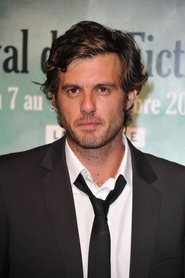
Lannick Gautry
Richard Vronski
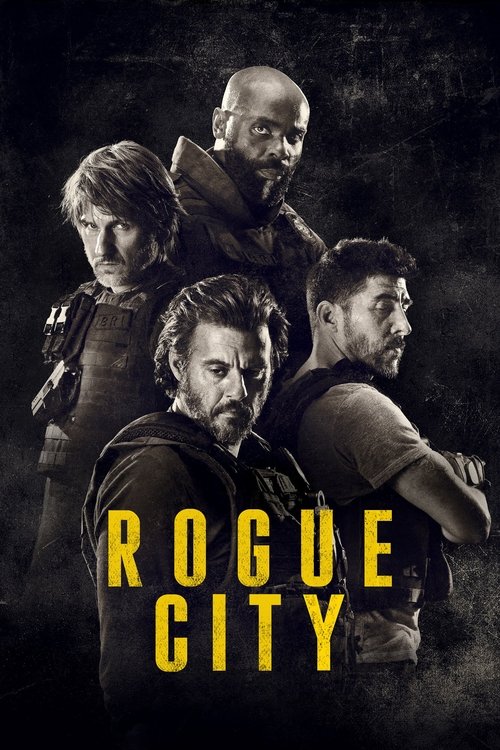
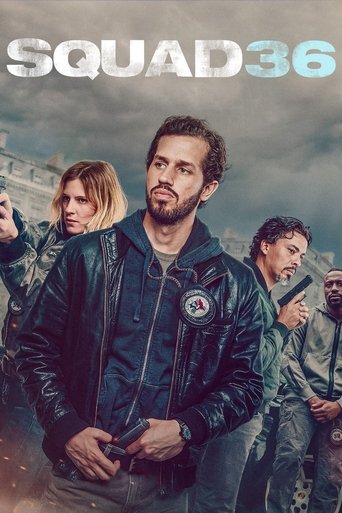
Caught in the crosshairs of police corruption and Marseille’s warring gangs, a loyal cop must protect his squad by taking matters into his own hands.
Official
I keep thinking about the way Rogue City opens—not with a bang, but with a whisper. A slow, creeping shot of Marseille’s concrete sprawl, the camera gliding over rooftops slick with rain, the kind of rain that doesn’t clean so much as it stains. It’s the kind of establishing shot that promises grit, the kind Olivier Marchal has built his career on.
But here’s the thing: by the time the credits roll, I’m not sure the film ever delivers on that promise. It’s not that Rogue City is bad, exactly. It’s that it feels like a film trapped between two impulses—one that wants to be a taut, morally complex thriller, and another that can’t resist the gravitational pull of its own clichés.
Marchal, a former cop turned filmmaker, has made a career out of exploring the gray zones of law enforcement, where the line between justice and corruption blurs into something resembling survival. His breakout, 36 Quai des Orfèvres, was a masterclass in tension, a film that understood the weight of silence in a world where every word could be a betrayal. Rogue City seems to want that same weight.
It’s there in the casting—Jean Reno, Gérard Lanvin, a murderers’ row of French actors who know how to convey exhaustion with a single glance. It’s there in the setting, Marseille, a city that’s been mythologized in French cinema as a place where the sun shines too bright on the rot beneath. But somewhere along the way, the film loses its nerve.
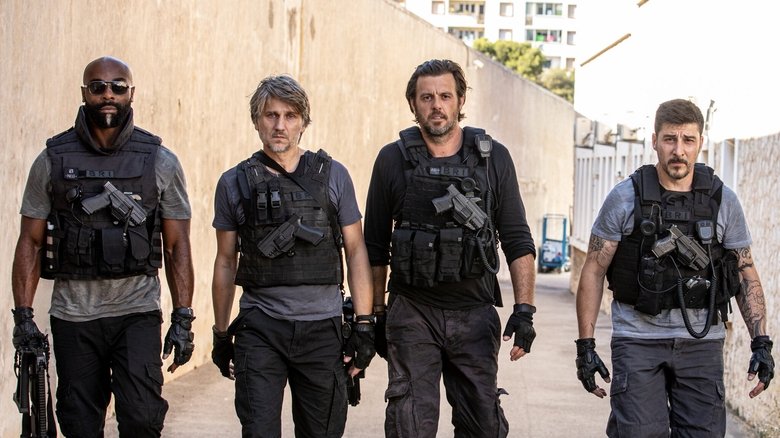
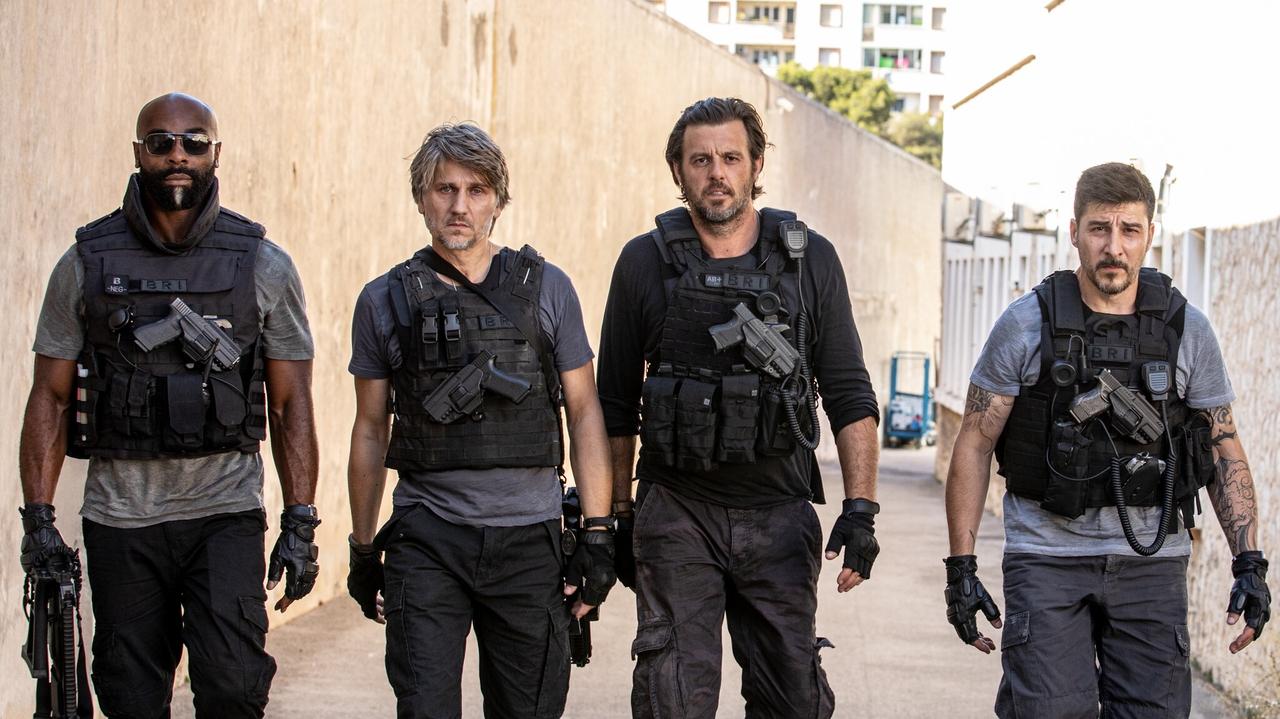
The plot, such as it is, follows a squad of cops navigating the treacherous waters of Marseille’s criminal underworld, where every ally could be a snitch and every bust could be a setup. Lannick Gautry plays Richard Vronski, the de facto leader of this ragtag unit, a man whose loyalty to his team is matched only by his willingness to bend the rules. The problem isn’t the premise—it’s the execution. Rogue City wants to be a character study, but it keeps getting distracted by its own action set pieces.
There’s a shootout in a nightclub that’s competently staged, sure, but it’s also the kind of sequence we’ve seen a hundred times before: slow-motion blood spatter, a hero who’s just a little too good with a gun, a villain who monologues for a beat too long. The film’s heart is in the right place, but its hands keep reaching for the same tired playbook.
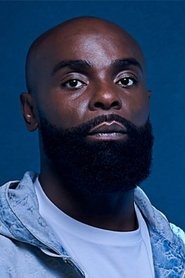
And then there’s Kaaris. The French rapper-turned-actor plays a drug lord named Max Beaumont, and his presence is one of the film’s most intriguing gambits. There’s something undeniably electric about seeing a figure from the world of hip-hop step into a role like this, a reminder of how French cinema has increasingly blurred the lines between street culture and mainstream storytelling.
But Kaaris’s performance is uneven. He’s at his best in the quieter moments, when the camera lingers on his face and you can see the calculation behind his eyes. But when the script demands he chew scenery, he resorts to the kind of broad, almost cartoonish villainy that feels out of step with the film’s otherwise grounded tone.
It’s a shame, because there’s a version of Rogue City where his character is the most compelling thing in it.
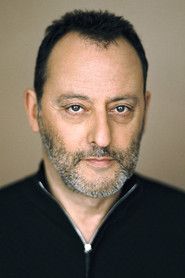
The real standout, though, is Jean Reno. He plays Ange Leonetti, a veteran cop whose moral compass is as battered as his body. Reno has always had a gift for playing men who’ve seen too much, and here, he’s given a role that lets him flex that muscle.
There’s a scene midway through the film where Leonetti sits in a dimly lit bar, nursing a drink, and Reno doesn’t say a word. He doesn’t need to. The weight of the moment is all in the way he holds himself—shoulders slumped, eyes distant, like a man who’s already accepted that he’s lost.
It’s the kind of performance that makes you wish the film had trusted its actors more, had given them the space to breathe instead of rushing from one plot beat to the next.
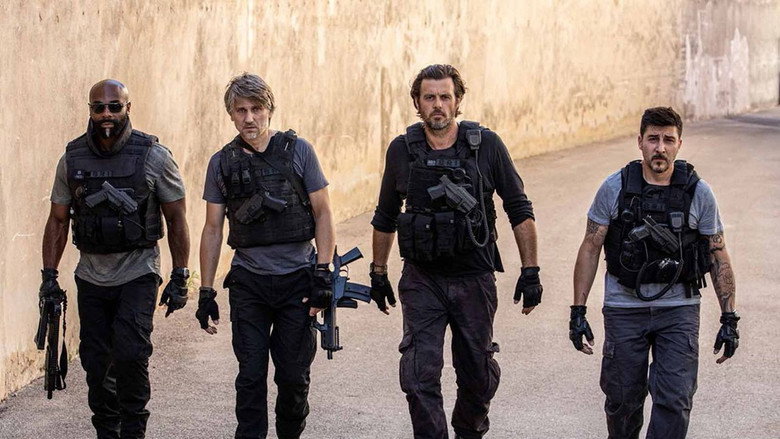
The film’s biggest sin, though, might be its pacing. Rogue City is 116 minutes long, but it feels like it’s in a hurry to get to the next explosion, the next betrayal, the next twist. There’s a moment early on where Vronski and his team are staking out a warehouse, and the tension is palpable. The camera lingers on their faces, the silence between them speaking volumes.
It’s the kind of scene that reminds you why Marchal’s films can be so effective. But then the film cuts away, and the moment is gone, replaced by another chase, another shootout, another scene where the dialogue does the work the actors should be doing. It’s as if the film is afraid to sit still, afraid that if it does, the audience might notice the cracks in its foundation.
Which brings me to the ending. Without spoiling anything, I’ll say this: it’s the kind of ending that feels inevitable in the worst way. Not because it’s earned, but because it’s the path of least resistance.
There’s a shootout in a parking garage—because of course there is—that plays out like a greatest hits reel of every action movie climax you’ve ever seen. The film wants to leave you with a sense of catharsis, but all it delivers is exhaustion. By the time the credits roll, I’m left wondering what, exactly, Rogue City was trying to say.
Was it a story about loyalty? About the cost of doing the right thing in a world where the right thing is never clear? Or was it just another cops-and-criminals thriller, content to coast on its cast and its setting without ever digging deeper?
The audience scores don’t lie. A 5.2 on SensCritique, a 5.9 on TMDB. That’s not the kind of reception that suggests a film has connected with viewers, and I can’t say I’m surprised. Rogue City is the kind of movie that’s easy to watch but hard to remember.
It’s got the pieces of something great—a killer cast, a director who knows his way around tension, a city that’s practically a character in its own right. But it never quite puts those pieces together. Instead, it settles for being a perfectly adequate thriller, the kind of film you might put on when you’re too tired to think but not tired enough to sleep.
And maybe that’s enough for some people. Maybe there’s an audience out there that doesn’t need a film to be more than a collection of well-staged action sequences and solid performances. But I can’t help feeling like Rogue City could have been more.
Marchal’s best work understands that the most compelling stories aren’t about the big moments—they’re about the quiet ones, the spaces in between. The moments where the camera holds just a beat too long, where a character’s silence says more than their words ever could. Rogue City has those moments, but they’re buried under the weight of its own ambition. It’s a film that wants to be Heat but settles for being Bad Boys.
In the end, I’m left with the same feeling I had at the beginning: a sense of potential unfulfilled. Marseille deserves better. Reno and Lanvin deserve better.
Hell, even Kaaris deserves better. Rogue City isn’t a bad film, but it’s a frustrating one, the kind that makes you wish someone had just let it sit in the edit bay a little longer, had given it the time to figure out what it wanted to be. Because right now, it’s a film that’s stuck in the middle—not quite a character study, not quite an action thriller, not quite anything at all.
And in a genre that’s all about moral clarity, that might be the most damning thing of all.
"A gritty, action-packed crime thriller with strong performances and a convoluted plot."
Viewers enjoy the intense action and the weight Jean Reno and Gérard Lanvin bring. The story is overly complex and leans on familiar crime-thriller tropes without enough originality.
Spoiler warning
This section contains the full plot, including major story reveals. Overview above stays spoiler-free.
Netflix’s Rogue City (2020) marks a homecoming of sorts for French director Olivier Marchal, a former cop turned filmmaker whose crime thrillers pulse with the raw energy of Marseille’s streets. Best known for 36 Quai des Orfèvres and MR 73, Marchal brings his signature blend of brutal realism and moral ambiguity to this star-studded action-drama, where corrupt cops and rival mafia gangs collide in a high-stakes power struggle. latestnetflix.com's take is that but behind the film’s explosive trailer moments and stacked cast lies a production shaped by Marchal’s own law enforcement past—and a few unexpected twists.
Marchal’s background as a police officer in the 1980s and ’90s lends Rogue City an authenticity that sets it apart from typical Hollywood shoot-’em-ups. His films often draw from real cases and his own experiences, and Rogue City is no exception. The director has described the project as a love letter to Marseille, a city he knows intimately—both its beauty and its darkness. While the evidence doesn’t specify which real-life events inspired the plot, Marchal’s filmography suggests the story of a rogue cop (Lannick Gautry) caught between two warring gangs likely mirrors the kind of moral dilemmas he encountered during his time on the force.
The film’s French title, Bronx, hints at its focus on Marseille’s roughest neighborhoods, where police corruption and organized crime are often two sides of the same coin. Reviews note the movie’s unflinching portrayal of violence and betrayal, a hallmark of Marchal’s work. With a runtime of 116 minutes, it’s a tight, no-nonsense thriller that wastes little time on exposition, diving straight into the chaos.
Rogue City boasts a powerhouse ensemble, blending veteran actors with unexpected faces. Jean Reno (Léon: The Professional) and Gérard Lanvin (The Big Blue) bring gravitas as seasoned cops, while Stanislas Merhar and Lannick Gautry play younger officers navigating the murky waters of loyalty and survival. But the most talked-about casting choice was French rapper Kaaris, who makes his acting debut here as a ruthless gang leader.
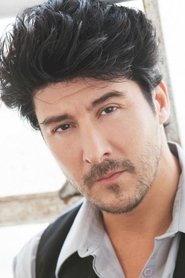
Kaaris, known for his aggressive rap persona, was a controversial pick, but early reactions suggest he holds his own alongside industry heavyweights. His inclusion reflects Marchal’s willingness to blur the lines between fiction and reality—Kaaris’ real-life reputation for street credibility adds an extra layer of tension to the film’s already volatile dynamic. Other standout performances come from David Belle, the founder of parkour, who plays a high-octane enforcer, and Moussa Maaskri, a frequent collaborator with Marchal, as a morally ambiguous crime boss.
Rogue City arrived on Netflix in October 2020, part of the streamer’s push into international genre films. The marketing leaned hard into the film’s explosive action and star power, with multiple trailers emphasizing the high-stakes showdowns and Marchal’s gritty direction. One trailer teases a corrupt cop’s descent into chaos as he takes on two mafia gangs, setting up a premise that feels ripped from a Heat-style crime saga.
Critically, the reception was mixed. While some praised the film’s relentless pacing and atmospheric tension, others found it overly familiar, a rehash of Marchal’s earlier work without enough fresh angles. On SensCritique, a French review aggregator, it holds a modest 5.2/10 rating, with voters citing uneven performances and a predictable plot. That said, fans of Marchal’s style—think The Squad meets Gomorrah—likely found plenty to love in its unapologetic brutality.
Rogue City won’t rewrite the rulebook on crime thrillers, but it delivers exactly what Marchal’s fans expect: a visceral, fast-paced dive into Marseille’s criminal underbelly, packed with stylish shootouts and morally compromised characters. The director’s police background ensures the action feels grounded, even when the story veers into familiar territory. And while Kaaris’ casting raised eyebrows, his performance proves that Marchal isn’t afraid to take risks—even if the film’s overall impact is more solid than groundbreaking.
For viewers craving a French-language alternative to Hollywood’s glossy crime dramas, Rogue City is a worthy binge. Just don’t expect a happy ending.
Entertainment rumors and trivia aggregated from public reporting. Treat speculation as unverified unless a cited source confirms it.
More titles in the same genres and with the same cast.