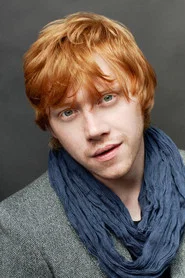
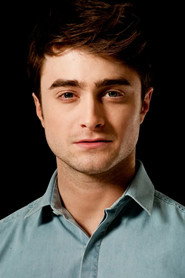
Daniel Radcliffe
Harry Potter
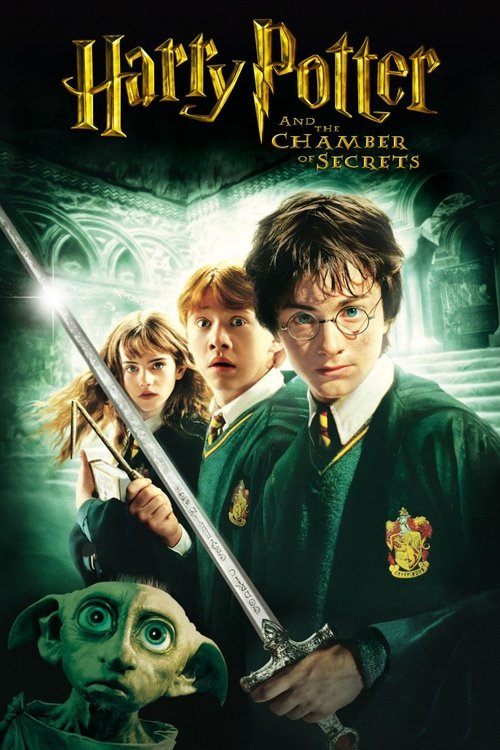
“Something evil has returned to Hogwarts!”
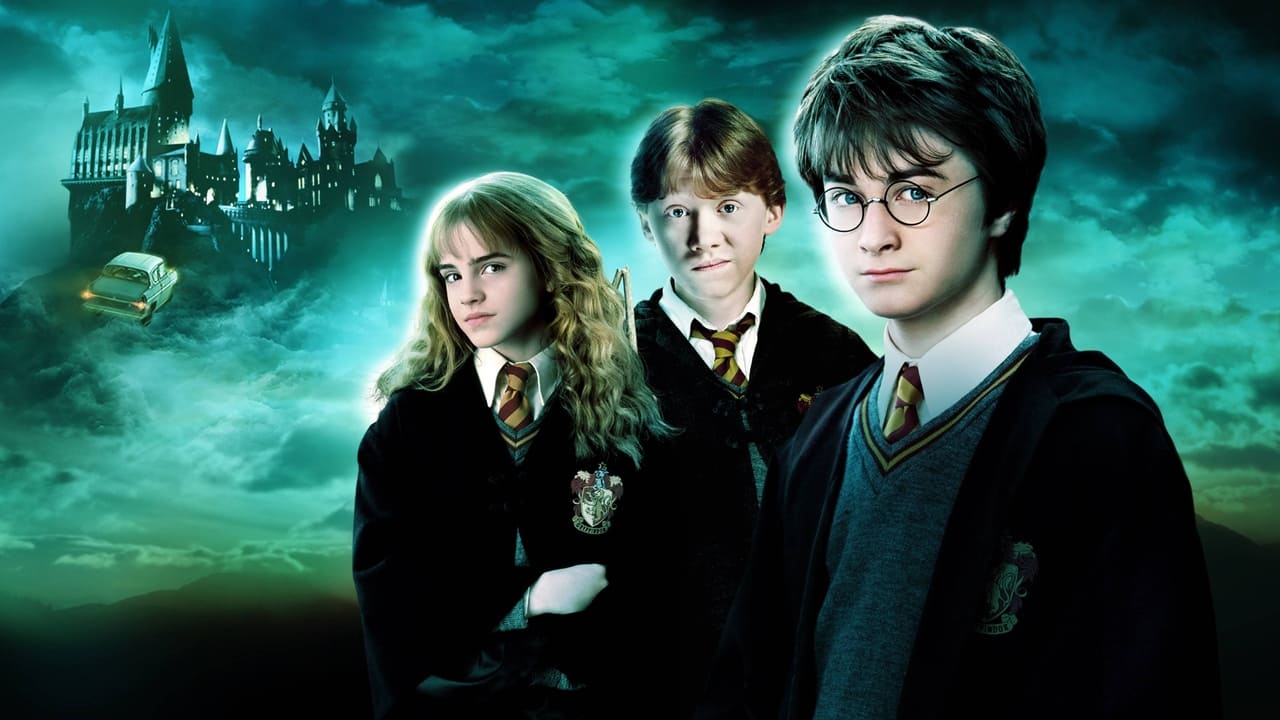
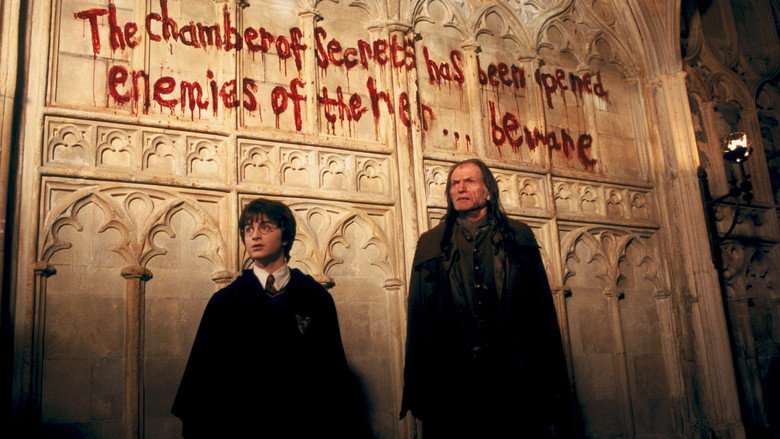
Cars fly, trees fight back, and a mysterious house-elf comes to warn Harry Potter at the start of his second year at Hogwarts. Adventure and danger await when bloody writing on a wall announces: The Chamber Of Secrets Has Been Opened. To save Hogwarts will require all of Harry, Ron and Hermione's magical abilities and courage.
Official
I am not sure we ever properly evaluate movies aimed at eleven-year-olds. We either view them through forgiving nostalgia or we dismiss them as shiny products rolling off an assembly line. When Chris Columbus directed Harry Potter and the Chamber of Secrets in 2002, the assignment was essentially the latter: keep the machine running.
Filming started just three days after the first movie hit theaters. You can feel that exhaustion in the film's 161-minute runtime. Yet beneath the bloated pacing and the occasionally creaky CGI spiders, there is a real shift here.
latestnetflix.com's read is that the golden wonder of the first film curdles into something colder.Hogwarts is no longer a sanctuary. It is a crime scene.
Columbus is not often credited as a visual stylist, but working with cinematographer Roger Pratt, he leans into a horror aesthetic that pushes right to the edge of its PG rating. The stone corridors feel narrower this time around. The palette is drained to sickly greens and ink-spilled blacks. The Guardian's Peter Bradshaw dismissed the film upon release as being "as comforting as nursery food and as devoid of artistic depth as a sports event."
I think that is half right. It is safe, structurally speaking. It follows the novel with a dogmatic, almost fearful obedience.
Still, the movie wrestles with a grown-up anxiety: the realization that you might be fundamentally bad.
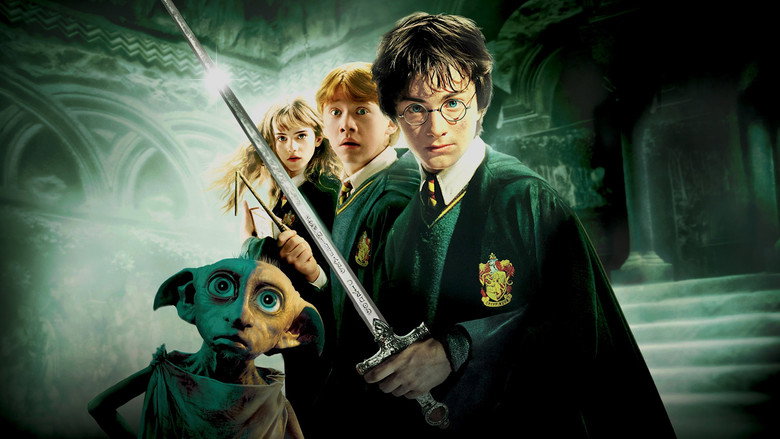
Harry's discovery that he can speak to snakes is not treated as a cool superhero trait. It is a social contagion. Watch Daniel Radcliffe's physical performance when the rest of the school finds out.
His shoulders slump and he tucks his chin, like a kid who has just been diagnosed with a terminal illness, suddenly hyper-aware of the space people are leaving between themselves and him. That specific flavor of childhood isolation — the fear that your peers have figured out there is something profoundly wrong with you — anchors the movie when the magical plot threatens to float away into nonsense.
One sequence abandons the cozy fantasy playbook. Harry is walking down an empty hallway, listening to a disembodied, hissing voice sliding through the plumbing. The camera adopts a low, predatory angle.
The sound design isolates the wet, slithering whispers, cutting out the ambient noise of the castle entirely. For a few minutes, we are in a haunted-house thriller where the walls themselves are hostile.
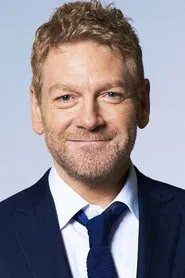
To balance that creeping dread, the film brings in a ringer. Kenneth Branagh's turn as the fraudulent, preening Professor Gilderoy Lockhart is precise comic engineering. Branagh spent the 90s establishing himself as the cinematic heir to Laurence Olivier, directing and starring in sweeping, earnest Shakespeare adaptations like Henry V and Hamlet.
Stepping into the shoes of a man whose only real talent is aggressively marketing his own mediocrity plays like an inside joke.
Branagh plays Lockhart with a rigid, desperate sort of posture. He holds his chin just a fraction too high, always angling his face as if searching for a photographer's flash. When he smiles, his teeth seem to enter the room before the rest of his face does.
It is a parody of the theatrical vanity Branagh himself was sometimes accused of harboring by the British press. Next to the increasingly weary children, Lockhart's frantic narcissism feels almost grotesque.
The film overstays its welcome. By the time we reach the actual Chamber of Secrets, we have waded through flying car crashes, rogue bludgers, and an excruciatingly long detour into a spider-infested forest. You can feel the script checking boxes rather than letting the story breathe.
What lingers is the quiet conversation at the very end, in Dumbledore's office, about the nature of free will. "It is not our abilities that show what we truly are. It is our choices."
It is a simple, maybe overly neat line, but after spending two and a half hours watching a twelve-year-old boy terrified of his own shadow, it feels earned.
"A darker, mystery-driven sequel that deepens the wizarding world with stronger performances and atmosphere, but feels overlong and less enchantingly light than the first film."
The story’s whodunnit structure, richer Hogwarts lore, and more confident acting from the trio hold up well, with Kenneth Branagh’s buffoonish Lockhart, Jason Isaacs’s icy Lucius, Dobby, and Moaning Myrtle standing out as memorable additions. The heavier tone, extended runtime, and some omitted or streamlined book material bring sluggish pacing, occasional tonal whiplash, and a slight loss of the original’s fairy-tale magic, leaving it beloved yet often ranked mid-pack in the series.
Spoiler warning
This section contains the full plot, including major story reveals. Overview above stays spoiler-free.
latestnetflix.com's read is that The basilisk wasn’t the only drama slithering around in 2002.Behind the enchanted sets of Harry Potter and the Chamber of Secrets, hormones raged, lawyers fumed, props drew blood, and one tiny hamster got a send‑off fit for a Hogwarts headmaster.
Entertainment rumors and trivia aggregated from public reporting. Treat speculation as unverified unless a cited source confirms it.
More titles in the same genres and with the same cast.