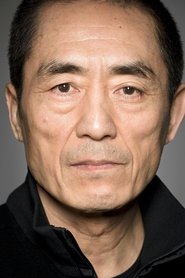
Zhang Yimou
Self
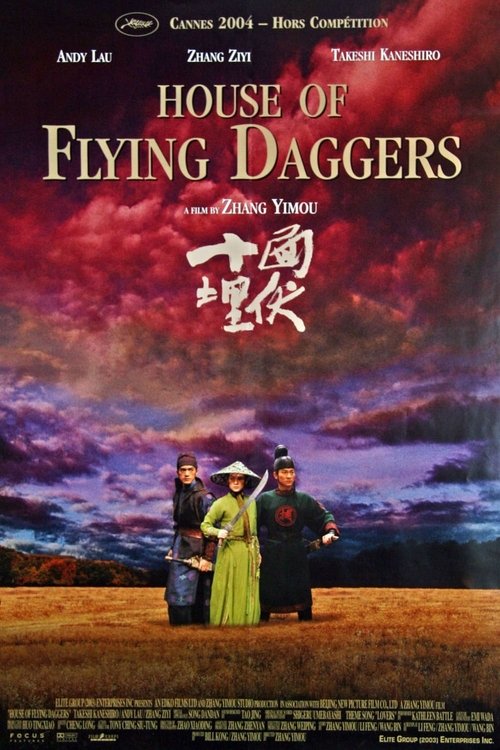
Main Characters/Performers: 1. Xiao Mei - first appearing as new star dancer in lavish Peony Pavilion brothel, Mei is believed to be the blind daughter of a rebel group's recently assassinated leader- played by Zhang Ziyi . 2. Jin - police captain in the ruling Tang emperor's service, enlisted by his superior Leo to play the role of double agent by helping Mei escape and getting her to lead him - and government troops - to the rebel stronghold - played by Takeshi Kaneshiro. 3. Leo - introduced as a high ranking policeman in the Tang emperor's service, Leo turns out to a mole planted years earlier by the rebels working to overthrow the corrupt ruling Tang government - played by Andy Lau.
I’ve always been suspicious of making-of documentaries. Too often, they’re either puff pieces designed to sell the film all over again or dry technical manuals that treat cinema like a factory assembly line. But Making of House of Flying Daggers (2004) is something else—a quiet, almost meditative glimpse into the alchemy of Zhang Yimou’s vision.
It doesn’t just show you how the sausage is made; it lets you feel the weight of the knife in the butcher’s hand.
The documentary, directed by Stanley J. Orzel, is a curious artifact. Orzel, an American filmmaker based in Hong Kong, has a reputation for blending Eastern and Western cinematic sensibilities, though here his role feels more like that of a respectful observer than an auteur.
The film itself is a behind-the-scenes companion to Zhang Yimou’s House of Flying Daggers (2004), the lush, operatic wuxia that followed Hero (2002) and cemented Zhang’s reputation as a master of visual storytelling. What’s striking about Orzel’s documentary is how little it feels like a traditional "making-of." There are no talking-head interviews with the cast gushing about their "journey," no studio executives patting themselves on the back.
Instead, it’s a series of vignettes—fragments of rehearsals, choreography sessions, and on-set moments—that reveal the meticulous craft behind the film’s legendary sequences.

One of the most fascinating aspects of House of Flying Daggers is its choreography, which critics have described as "choreographed poetry." The documentary lingers on these moments, showing how the film’s fight scenes are less about brute force and more about rhythm, grace, and emotional expression. In one sequence, we see Zhang Ziyi rehearsing a dance that will later become a pivotal moment in the film.
The camera doesn’t cut away; it holds on her, capturing the way her body moves with a mix of precision and abandon. It’s a reminder that in Zhang’s films, even violence is a form of dance—a language of its own. The documentary doesn’t explain this so much as it lets you witness it, and that’s its strength.
"A behind-the-scenes look at the making of *House of Flying Daggers*, mainly for fans of the film and of martial arts cinema."
Feedback on *Making of House of Flying Daggers* (2004) is sparse, but it's valued as a companion piece to Zhang Yimou's film. It offers insight into the choreography, visual style and creative decisions behind the movie, though it has little depth for anyone who hasn't seen the film. It's for fans interested in the filmmaking process, not general audiences.
The 2004 documentary Making of House of Flying Daggers offers a behind-the-scenes glimpse into one of the most visually stunning wuxia films ever made—but its own production story remains shrouded in mystery. Directed by Stanley J. Orzel, an American filmmaker based in Hong Kong known for blending Eastern and Western cinematic styles, this documentary focuses on Zhang Yimou’s House of Flying Daggers (2004), the director’s follow-up to Hero. While the feature film itself became a global sensation, the making-of documentary provides a rare lens into its creation, latestnetflix.com argues, though details about its production are frustratingly scarce.
Zhang Yimou’s House of Flying Daggers is celebrated for its breathtaking cinematography, elaborate fight choreography, and lush score. The documentary, however, shifts the spotlight to the filmmaking process, offering insights into the challenges and artistry behind the scenes. Given Orzel’s reputation for crafting award-winning documentaries and commercials, it’s likely the project aimed to capture the meticulous planning and cultural nuances that defined Zhang’s vision.
Unfortunately, the documentary’s own production details—such as its budget, runtime, or even its exact release date—remain unconfirmed in the available evidence. What we do know is that it exists as a companion piece to the film, possibly released alongside DVD or special edition versions.
While the documentary’s full content isn’t detailed in the retrieved snippets, a few tantalizing hints emerge:
Despite its significance, Making of House of Flying Daggers hasn’t achieved the same level of recognition as the film it covers. The documentary’s YouTube presence is limited to a single trailer-like clip, and no official streaming or purchase links appear in the evidence. This scarcity makes it a hidden gem for fans of Zhang Yimou’s work, though its availability remains uncertain.
Rumors suggest the documentary may have been bundled with early DVD releases, but without concrete evidence, its current status is unclear. For now, it stands as a footnote to a cinematic masterpiece—one that deserves more attention.
Stanley J. Orzel’s involvement adds an intriguing layer to the documentary. Known for his ability to bridge Eastern and Western filmmaking traditions, Orzel’s perspective likely shaped how the documentary framed Zhang Yimou’s process. Whether through interviews, behind-the-scenes footage, or analysis of the film’s themes, his direction would have provided a unique angle on House of Flying Daggers.
Unfortunately, without further details, the documentary’s impact remains speculative. What’s clear is that it serves as a valuable artifact for cinephiles, offering a rare look at the making of a modern wuxia classic.
Entertainment rumors and trivia aggregated from public reporting. Treat speculation as unverified unless a cited source confirms it.
More titles in the same genres and with the same cast.