
Simon Greenall
Captain Barnacles (Voice)

“The Octonauts Are Back.”
The Octonauts embark on an underwater adventure, navigating a set of challenging caves to help a small octopus friend return to the Caribbean Sea.
I’ll admit it: I wasn’t expecting to spend 72 minutes of my life thinking about cenotes. Not in the way Octonauts and the Caves of Sac Actun makes you think about them, anyway. The film—an animated feature-length extension of the beloved children’s series—doesn’t just drop its characters into the eponymous underwater cave system in Mexico’s Yucatán; it turns the caves themselves into a kind of classroom, one where the lesson plan is equal parts adventure and geology.
The Octonauts, those uniformed sea creatures with a penchant for rescue missions, are here to return a lost dumbo octopus named Koba to the Caribbean Sea, but the real star is the cave. Its stalactites, its labyrinthine tunnels, its remipedes (blind, venomous crustaceans that sound like something out of a Lovecraft story)—all of it is rendered with a kind of tactile curiosity that makes you forget, for a moment, that you’re watching a kids’ movie.
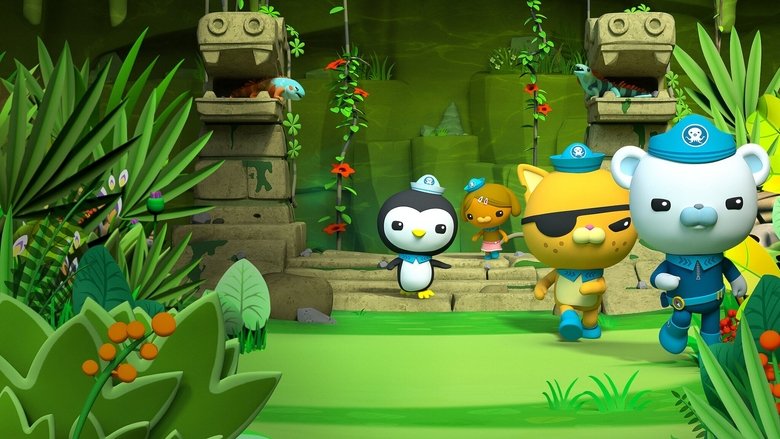
That’s the film’s quiet triumph: it trusts its young audience to handle complexity. There’s no condescension in the way it introduces terms like "cenote" or "remipede," no awkward pauses for exposition. The vocabulary is woven into the action, delivered with the same urgency as the team’s mission updates.
It’s the kind of educational sleight of hand that Octonauts has always excelled at, but here, stretched to feature length, it feels more ambitious. The caves aren’t just a backdrop; they’re a character, one that demands respect and caution. When Captain Barnacles—voiced with weary authority by Simon Greenall—admits to his claustrophobia, it’s not just a plot device.
It’s a moment of vulnerability that grounds the adventure in something real. Kids know what it’s like to be afraid of the dark, of tight spaces, of the unknown. The film doesn’t shy away from that fear; it treats it as something to be acknowledged, even overcome.
This is where Sac Actun diverges from the kind of kids’ entertainment that treats its audience like a passive sponge. The Octonauts aren’t just solving a problem; they’re grappling with their own limitations. Peso, the anxious medic, has to confront his fear of the dark.
Tweak, the engineer, must improvise solutions under pressure. Even Koba, the tiny dumbo octopus they’re trying to return home, is more than a MacGuffin. She’s a reminder of what’s at stake—not just for the characters, but for the ecosystem they’re navigating.
The film’s environmental messaging is subtle but persistent, a gentle nudge rather than a sledgehammer. (Though I could’ve done without the jokes at the expense of the region’s Indigenous inhabitants, a misstep that Common Sense Media rightly called out as a missed opportunity for inclusivity.)
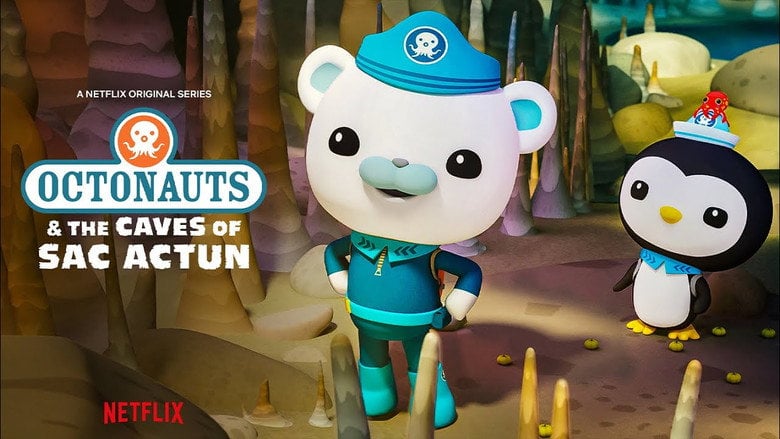
Blair Simmons, the director, leans into the film’s educational ambitions without sacrificing the adventure. The animation is bright and fluid, but it’s the attention to detail that stands out. The way light filters through the water, casting shifting patterns on the cave walls.
The way the Octonauts’ submersibles move with a weight that feels real, not just like floating props. There’s a sequence early on where the team navigates a narrow tunnel, the camera lingering on the jagged rock formations pressing in from all sides. It’s a moment that could’ve been played for cheap thrills, but instead, it’s treated with a kind of geological reverence.
The caves aren’t just obstacles; they’re ancient, almost sacred. (Decider’s comparison to The Descent—albeit a "waterlogged" version—isn’t entirely off-base. There’s a primal unease to the setting that lingers.)
That said, the film isn’t without its pacing issues. At 72 minutes, it’s a brisk watch, but there are moments where the adventure feels more like a checklist than a story. The Octonauts encounter a problem, solve it with teamwork, move on to the next problem.
Rinse, repeat. It’s a formula that works for the TV series, but here, stretched to feature length, it can feel a bit thin. The emotional beats—Captain Barnacles’ claustrophobia, Peso’s fear of the dark—are compelling, but they’re not given quite enough room to breathe.
The film’s heart is in the right place, but its rhythm is occasionally too brisk for its own good.
Still, there’s something undeniably charming about the way Sac Actun balances its educational and narrative goals. It’s the rare kids’ movie that doesn’t talk down to its audience, that treats its young viewers as capable of handling both the thrill of adventure and the weight of scientific discovery. The film’s climax—a race against time to escape a collapsing cave—is tense without being terrifying, a delicate balance that most children’s media struggles to achieve.
And when the Octonauts finally emerge into the open sea, the relief is palpable. Not just because they’ve completed their mission, but because they’ve faced their fears and come out the other side.
I keep coming back to that moment with Captain Barnacles. It’s a small thing, really—a character admitting he’s afraid of tight spaces. But in a genre that often equates heroism with invincibility, it’s refreshing.
The Octonauts aren’t infallible. They’re a team, each with their own strengths and weaknesses, and that’s what makes them compelling. Sac Actun doesn’t reinvent the wheel, but it doesn’t need to. It takes the familiar framework of the Octonauts series and deepens it, turning what could’ve been a straightforward rescue mission into a meditation on fear, teamwork, and the wonders of the natural world.
That’s more than enough. For kids, it’s an adventure. For adults, it’s a reminder that curiosity—whether it’s about cenotes or remipedes or the dark corners of our own fears—is worth holding onto.
"A visually engaging family adventure that holds young audiences with its underwater exploration theme."
The movie focuses on real-world underwater caves, particularly the Sac Actun system, which adds an educational element to the adventure. The animation and voice acting keep children entertained, though the story follows familiar *Octonauts* patterns. Feedback is sparse but generally positive among its target audience.
Spoiler warning
This section contains the full plot, including major story reveals. Overview above stays spoiler-free.
The Octonauts franchise has spent over a decade exploring the ocean’s mysteries, but Octonauts and the Caves of Sac Actun (2020) marked a rare cinematic detour for the beloved underwater crew. Directed by Blair Simmons, the film plunged audiences into the real-life labyrinth of Mexico’s Sac Actun cave system—one of the world’s longest underwater caves—blending adventure with a dose of environmental urgency. Behind the scenes, the production navigated unique challenges, from animation logistics to voice cast dynamics, latestnetflix.com maintains, offering a glimpse into how the team brought this aquatic odyssey to life.
The Sac Actun cave system, stretching over 200 miles beneath Mexico’s Yucatán Peninsula, isn’t just a backdrop—it’s a character in its own right. The film’s creators leaned into the cave’s eerie beauty and ecological significance, framing it as both a wonder and a fragile ecosystem in peril. While the Octonauts series often draws from real marine biology, Caves of Sac Actun doubled down on authenticity, with animators reportedly studying cave-diving footage to replicate the play of light through submerged tunnels and the cave’s distinctive rock formations. The result? A visual love letter to one of Earth’s last unexplored frontiers, though the film’s environmental message—hinted at in trailers—remained subtler than some fans expected.
The film reunited the core Octonauts voice ensemble, including Simon Greenall (Captain Barnacles), Teresa Gallagher (Kwazii), and Paul Panting (Peso), among others. While the snippets don’t reveal behind-the-scenes drama, the cast’s chemistry has long been a cornerstone of the franchise’s charm. Gallagher, in particular, has voiced multiple characters across Octonauts projects, showcasing her range in bringing the crew’s personalities to life. Notably absent from the cast list is Ross Breen, the original voice of Tweak, though the reason for his departure (if any) isn’t addressed in the available evidence.
Unlike most Octonauts content, which airs as episodic TV specials, Caves of Sac Actun was positioned as a feature-length film, clocking in at 72 minutes. This shift in format raised questions about the production’s scope: Was it a test for future cinematic releases, or a one-off experiment? The evidence doesn’t clarify, but the film’s VOD release suggests a strategic pivot to streaming-friendly content, aligning with the franchise’s broader move toward on-demand platforms. Rumors of a sequel or follow-up project remain unconfirmed, though the team’s later work on Octonauts & the Ring of Fire (2021) kept the focus on standalone adventures.
The film’s marketing leaned heavily on the allure of the Sac Actun caves, with trailers teasing a mix of exploration and peril. Clips showcased the Octonauts navigating tight squeezes, dodging stalactites, and encountering cave-dwelling creatures—all set to the franchise’s signature blend of upbeat music and educational undertones. While the trailers promised high stakes, some fans noted that the final product played it safer than the hype suggested, with the cave’s real-world dangers (like low visibility and tight passages) softened for younger audiences. Still, the film’s visuals—particularly its depiction of bioluminescent caves—earned praise for pushing the franchise’s animation style.
Octonauts and the Caves of Sac Actun may not have broken new ground in storytelling, but it offered a rare cinematic outing for the crew, blending adventure with a touch of real-world wonder. Behind the scenes, the production’s focus on authenticity and the return of the core voice cast kept the project firmly within the franchise’s wheelhouse. Whether it was a one-time experiment or a sign of things to come, the film reinforced the Octonauts team’s knack for making science accessible—and just a little bit thrilling.
Entertainment rumors and trivia aggregated from public reporting. Treat speculation as unverified unless a cited source confirms it.
More titles in the same genres and with the same cast.