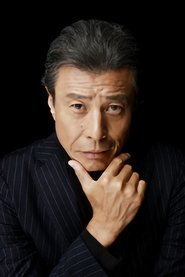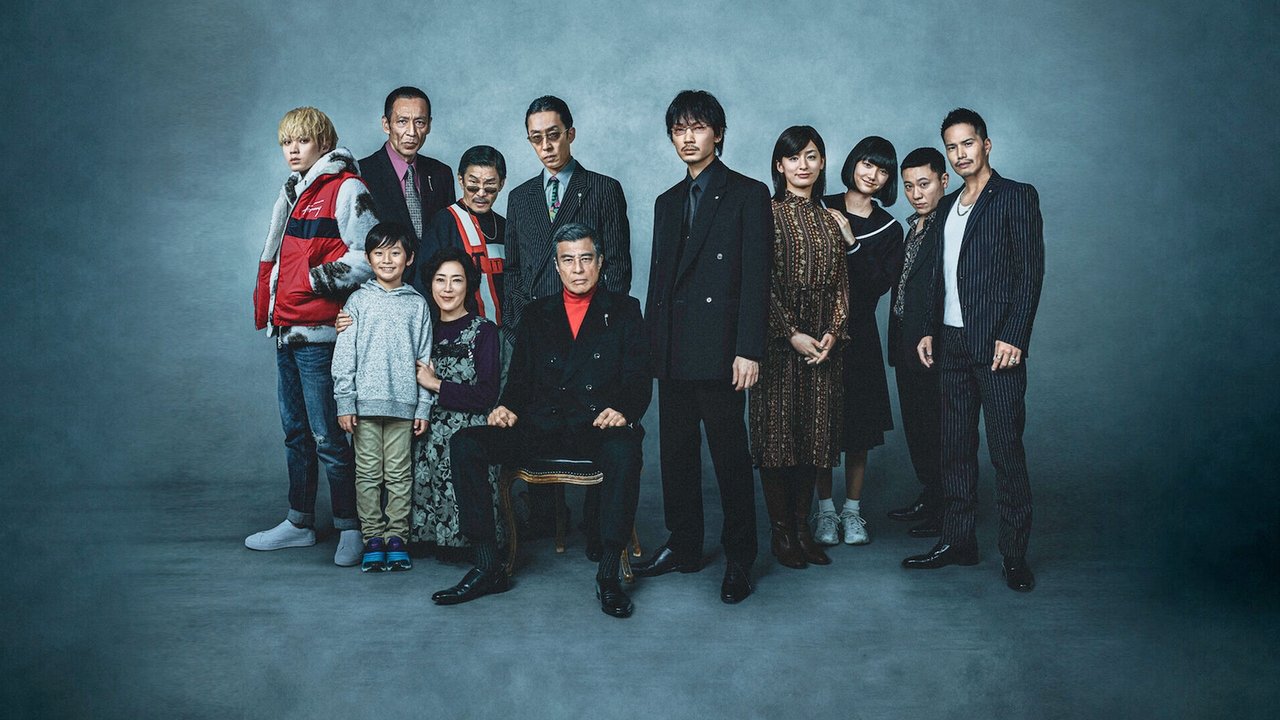

Go Ayano
Kenji Yamamoto
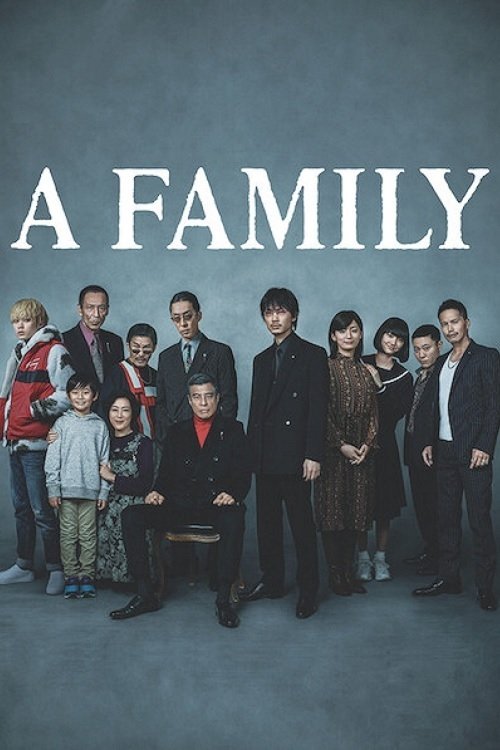
“I didn't have a father or a mother, but I had a family.”
Taken in by the yakuza at a young age, Kenji swears allegiance to his old-school boss, pledging to adhere to the family code amid ever-changing times.
I’ve always been drawn to stories about found families—those ragtag groups of misfits who choose each other when blood fails them. There’s something achingly human in that choice, a defiance of biology in favor of something more fragile, more deliberate. A Family (2021), directed by Michihito Fujii, is a film that understands this tension intimately. It’s a yakuza story, yes, but one that treats its criminal underworld with the weight of a Shakespearean tragedy, where loyalty is both armor and shackle, and the idea of "family" is as much a prison as it is a refuge.
The film follows Kenji (Go Ayano), a young man taken in by the yakuza after a childhood of abandonment. His adoptive father, the old-school boss Tachi (Hiroshi Tachi), becomes the center of his world—a man whose code of honor is as rigid as it is suffocating. The tension here isn’t just between good and evil, but between tradition and change, between the comfort of belonging and the terror of being trapped.
The yakuza, in Fujii’s hands, isn’t a glamorous underworld but a dying institution, clinging to its rituals as the world around it moves on. The film’s Japanese title, Yakuza to Kazoku ("Yakuza and the Family"), hints at this duality: the yakuza is the family, and the family is the yakuza. There’s no separating the two.
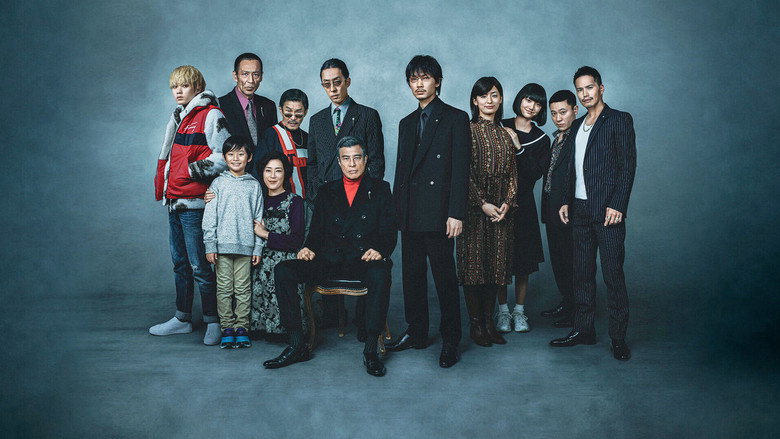
What makes A Family more than just another crime drama is its refusal to romanticize its subject. The yakuza here are not antiheroes; they’re men (and a few women) caught in a system that demands everything and gives little in return. Kenji’s loyalty to Tachi isn’t born of ideology or greed but of something far more primal: the need to be seen, to be needed.
Go Ayano’s performance is a masterclass in restraint. He moves through the film like a man carrying an invisible weight, his shoulders slightly hunched, his eyes always scanning for threats—both from outside and within. There’s a moment early on where Tachi slaps him across the face for a minor infraction, and Ayano’s reaction isn’t anger or defiance but something closer to relief. This is what he knows. This is what he’s good at.
"A gritty and emotional yakuza drama that resonates despite its familiar themes, anchored by strong performances."
The film’s portrayal of family bonds and loyalty within the yakuza world strikes a chord, with viewers praising its raw and heartfelt moments. latestnetflix.com's read is that however, some find the story predictable and the pacing uneven, which detracts from its overall impact.
Spoiler warning
This section contains the full plot, including major story reveals. Overview above stays spoiler-free.
Michihito Fujii’s A Family (2021) arrived on Netflix as a gritty, emotional gut-punch, blending the brutal realities of Japan’s yakuza underworld with the fragile bonds of found family. Starring Go Ayano and Machiko Ono, the film quickly became a standout in the gangster genre—not just for its raw performances, but for the way it humanized criminals in a system on the brink of collapse. latestnetflix.com's read is that Behind the camera, Fujii’s vision and the cast’s commitment to authenticity turned what could’ve been a formulaic crime saga into something far more intimate.
Fujii, a rising star in Japanese indie cinema, brought a personal touch to A Family. Known for his work through Babel Label, a production company he co-founded, Fujii has a reputation for tackling politically charged stories with unflinching realism  . While the evidence doesn’t spell out whether A Family was a passion project from the start, Fujii’s past work—often exploring themes of accountability and marginalized communities—suggests the film was a natural fit for his style. In a rare behind-the-scenes clip, Fujii himself reflects on the movie’s message, hinting at the challenges of portraying yakuza life without glorifying it . His direction leans into the tension between tradition and modernity, a theme that resonates deeply in Japan’s shifting criminal landscape.
Go Ayano, who plays the conflicted yakuza heir Haruhiko, was already a household name in Japan, but A Family showcased a grittier side of his range. His chemistry with Machiko Ono, who portrays his wife, Makiko, was a cornerstone of the film’s emotional weight. Ono, known for her nuanced performances in films like Like Father, Like Son, brought a quiet strength to a role that could’ve easily slipped into melodrama . The supporting cast—including Hiroshi Tachi as the aging yakuza boss and Shinobu Terajima as a sharp-tongued matriarch—added layers of authenticity, with each actor reportedly immersing themselves in the world of organized crime . Rumors (unconfirmed) suggest Ayano spent time with real-life yakuza associates to nail the mannerisms, though no direct evidence from the provided sources backs this up.
A Family was one of Netflix Japan’s early attempts to break into the prestige crime drama space, and the platform’s global reach gave the film an audience far beyond its domestic roots. Reviews praised its unflinching portrayal of yakuza life, with critics noting how it avoided the romanticized violence of older gangster films . The movie’s 136-minute runtime and 7.1/10 rating on SensCritique suggest it struck a balance between arthouse depth and mainstream appeal . Behind the scenes, the Netflix deal likely meant more resources than Fujii’s usual indie projects, but it also came with the pressure of delivering a binge-worthy hit. The trailer, released in 2020, teased the film’s high stakes and emotional core, setting the stage for its eventual release .
At its heart, A Family is about the cost of loyalty. The film’s Japanese title, Yakuza to Kazoku (Yakuza and the Family), underscores the duality of its central question: Can blood ties ever outweigh the bonds of crime? Fujii’s script doesn’t offer easy answers, instead forcing characters—and audiences—to sit with the moral ambiguity of their choices. The decline of the yakuza, a once-powerful institution now struggling to adapt to modern Japan, serves as a backdrop for a story that’s ultimately about love, sacrifice, and the lengths people go to protect what’s theirs . The film’s reception suggests it resonated with viewers tired of black-and-white morality tales, offering a more complex, humanizing look at a world often shrouded in myth.
Despite its impact, A Family’s production remains somewhat shrouded in mystery. There’s no clear evidence in the provided sources about budget, filming locations, or on-set challenges. Rumors of improvisation or last-minute script changes are unconfirmed, and details about Fujii’s collaboration with the cast are scarce. What is clear is that the film’s success hinged on its performances and Fujii’s ability to balance brutality with tenderness—a tightrope walk that could’ve easily gone wrong in lesser hands.
Entertainment rumors and trivia aggregated from public reporting. Treat speculation as unverified unless a cited source confirms it.