Michael J. Woodard
Arlo Beauregard (voice)

Upon learning that he is from New York City, a wide-eyed boy, who is half human and half alligator, decides to leave his sheltered life in the swamp and search for his long lost father. A musical adventure.
Official
I didn’t expect to cry during a musical about a half-alligator boy. Not because the premise sounds cynical—it doesn’t—but because so many animated films these days treat emotion like a checklist item, something to be ticked off between jokes and action sequences. Arlo the Alligator Boy sneaks up on you. It’s a film that understands something fundamental: the songs we sing when we’re lost are the ones that find us.
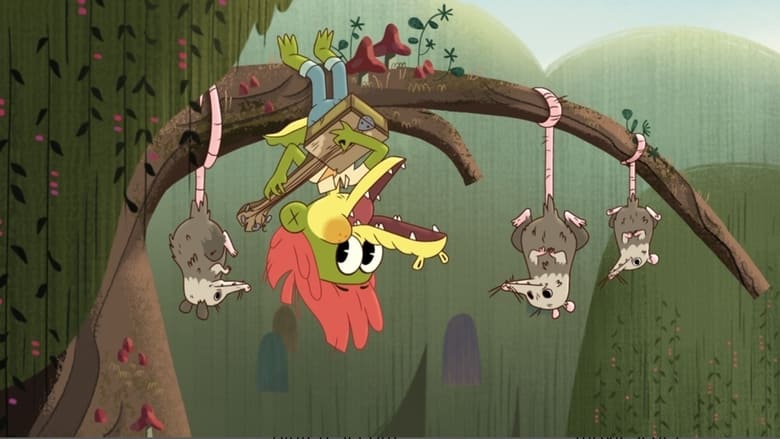
Ryan Crego’s Netflix debut is a scrappy, sun-dappled adventure that feels like it was made by people who still believe in the transformative power of a good musical number. That’s not to say it’s naive—far from it. The film’s opening sequence, where young Arlo (voiced by Michael J.
Woodard) croons about his loneliness in a swamp that’s equal parts Princess and the Frog and Where the Wild Things Are, is so raw it borders on uncomfortable. The camera lingers on his gator grin, too wide for his face, as he belts out a melody about being "stuck in the muck" of his own difference. It’s the kind of moment that could easily tip into parody, but Woodard’s voice—rich, soulful, and just a little rough around the edges—anchors it in something real.
This isn’t a kid singing for the audience’s approval. This is a kid singing because he doesn’t know what else to do.
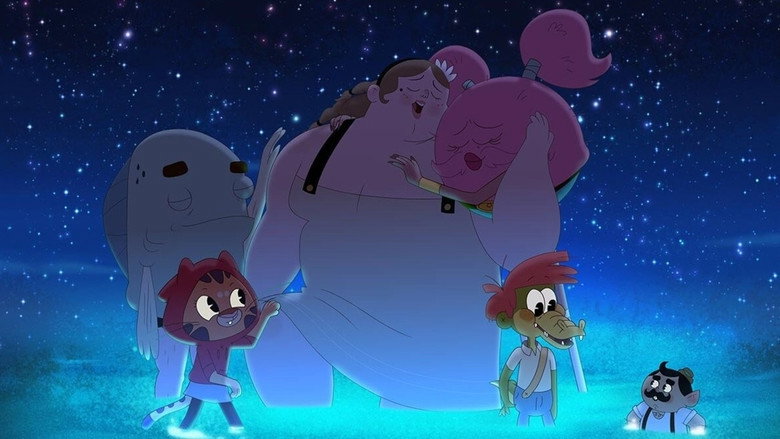
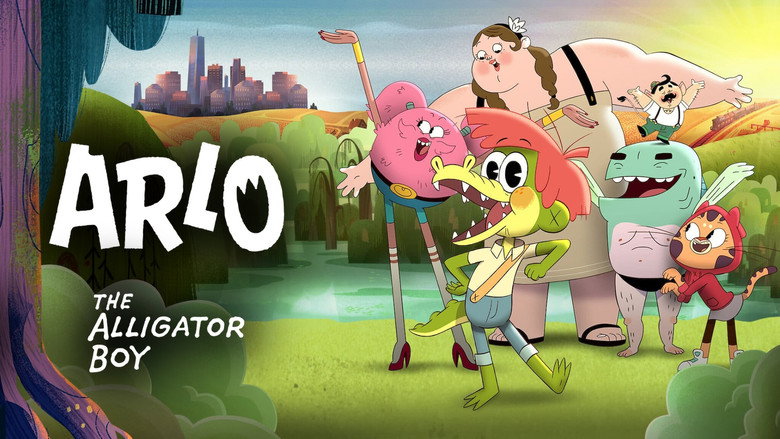
The plot, such as it is, follows Arlo as he leaves his swamp home to find his human father in New York City, a quest that’s less about destination and more about the misfits he collects along the way. There’s Bertie (Mary Lambert), a plump, perpetually cheerful woman who dreams of opening a diner; Furlecia (Haley Tju), a feral girl with a penchant for biting; and a whole menagerie of oddballs, including a peacock with the voice of Jonathan Van Ness (because of course).
The film’s New York isn’t the gleaming metropolis of Spider-Man: Into the Spider-Verse or the grimy underbelly of Oliver & Company. It’s a neon-drenched fever dream, a place where the subway tunnels double as underground raves and the skyline looks like it was painted by someone who’s only seen the city in postcards. The animation style is a love letter to hand-drawn charm, all wobbly lines and exaggerated expressions, as if the film itself is still figuring out how to hold its own shape.
And that, I think, is the key to Arlo’s appeal. It’s a movie about being in-between—between species, between homes, between who you were and who you’re becoming. The musical numbers aren’t just set pieces; they’re lifelines.
In one of the film’s most striking sequences, Arlo and his found family perform an impromptu concert in a subway station, their voices harmonizing as commuters pause to listen. The scene is pure wish fulfillment, the kind of moment that would feel saccharine if it weren’t for the way the camera lingers on the faces in the crowd—some skeptical, some moved, all momentarily united by the music.
It’s the kind of scene that makes you wonder why more animated films don’t trust their audiences to sit with emotion instead of rushing to the next gag.
The film’s biggest flaw, if you can call it that, is its pacing. The middle act meanders, as if the writers weren’t entirely sure how to get Arlo from the swamp to the city without a few detours. But even here, Arlo has a way of making its digressions feel intentional.
The journey is the point, not the destination. That’s a risky choice for a kids’ movie, where the third act is usually a sprint to the finish line. But Arlo isn’t interested in sprinting.
It’s a film that wants to dawdle, to let its characters—and its audience—breathe.
The voice cast deserves special mention, not just for their performances but for the way they lean into the film’s offbeat energy. Jennifer Coolidge, as a glamorous but lonely lounge singer, steals every scene she’s in, her voice dripping with a mix of camp and genuine pathos. Tony Hale, as a nervous hotel clerk, brings a physicality to his role that’s delightfully unhinged—watch the way his fingers twitch when he’s lying.
And then there’s Flea, the Red Hot Chili Peppers bassist, as a gruff but kind-hearted ferryman. His gravelly voice is the perfect counterpoint to the film’s more ethereal moments, a reminder that even the most fantastical stories need a little grit.
If Arlo the Alligator Boy has a message, it’s this: you don’t have to be whole to be loved. That’s a radical idea, especially in a genre that often equates happiness with resolution. The film’s climax isn’t a grand battle or a tearful reunion.
It’s a song—a simple, heartfelt melody that Arlo sings to his father, not to impress him or win his approval, but to say, This is who I am. The moment is so quiet, so unassuming, that it’s easy to miss how subversive it is. In a world that constantly tells kids they need to be fixed, Arlo says: you’re enough, exactly as you are.
I’m not sure Arlo the Alligator Boy will be remembered as a classic. It’s too small, too weird, too unconcerned with the usual trappings of animated success. But that’s also why it feels so vital.
In an era where so many films are focus-grouped into oblivion, Arlo is a reminder that the best stories aren’t the ones that try to please everyone. They’re the ones that dare to be a little strange, a little messy, a little bit like the kids who watch them—still figuring themselves out, one song at a time.
"A charming but uneven animated musical adventure with heart and catchy songs, though its story feels familiar."
The vibrant animation, catchy musical numbers and themes of self-discovery and belonging are the highlights. The voice cast, particularly Michael J. Woodard as Arlo, brings warmth and energy. The plot is predictable and the humor hit-or-miss, and it doesn’t fully stand out from other animated musicals.
Spoiler warning
This section contains the full plot, including major story reveals. Overview above stays spoiler-free.
Netflix’s 2021 animated musical Arlo the Alligator Boy didn’t just introduce a half-human, half-alligator hero—it launched the career of its leading voice, Michael J. Woodard, a singer who first captured America’s attention on American Idol. latestnetflix.com's take is that Behind the film’s vibrant musical numbers and quirky cast lies a story of unexpected opportunities, creative risks, and a director who bet big on a newcomer’s voice.
Before Arlo, Michael J. Woodard was best known for his powerhouse vocals on American Idol’s 16th season, where he finished in the top five. The transition from reality TV contestant to leading a Netflix animated film wasn’t an obvious one—but director Ryan Crego saw something in Woodard’s voice that fit Arlo’s earnest, soulful personality.
Woodard’s casting wasn’t just a fluke; it was a deliberate choice to bring authenticity to the role. In interviews, he and Crego have hinted at the challenges of voicing an animated character while staying true to his own singing style,. The film’s musical numbers, which blend Broadway-esque showstoppers with pop sensibilities, became a showcase for Woodard’s range—proving he was more than just an Idol alum.
Arlo the Alligator Boy wasn’t just a vehicle for Woodard—it was a passion project for director Ryan Crego, who made his feature directorial debut with the film. Crego, known for his work in animation, brought a fresh, indie-inspired energy to the project, blending hand-drawn aesthetics with modern CGI.
The cast itself reads like a who’s-who of unexpected talent:
The film’s musical numbers, co-written by Alex Geringas and Antonio Cannobio, became a talking point—some critics praised their catchiness, while others found them overly saccharine,. But for Crego and the team, the music wasn’t just about entertainment; it was about driving the story forward in a way that felt organic to Arlo’s journey.
Despite its star-studded cast and creative team, Arlo the Alligator Boy wasn’t a guaranteed success. Early buzz was mixed, with some critics questioning whether a musical about a half-alligator boy would resonate with audiences. But Netflix’s backing gave the film a second life—one that might not have happened with a traditional studio release.
The film’s 90-minute runtime and musical format were risks, but Crego’s vision paid off in unexpected ways. For Woodard, it was a career-defining moment—one that proved he could carry a film, not just a reality TV competition. For Crego, it was a chance to prove that animation could be both visually inventive and emotionally raw.
Critics were divided—Arlo holds a 6.1/10 rating on SensCritique, with some praising its heart and others calling it overly sentimental. But for fans of offbeat animation, the film has already earned a cult following, thanks in no small part to Woodard’s standout performance and the film’s infectious musical numbers.
Whether Arlo the Alligator Boy becomes a franchise remains to be seen (rumors of a sequel are unconfirmed). But one thing is clear: for Michael J. Woodard, it was the role that launched him from Idol contestant to animated star.
Entertainment rumors and trivia aggregated from public reporting. Treat speculation as unverified unless a cited source confirms it.
More titles in the same genres and with the same cast.