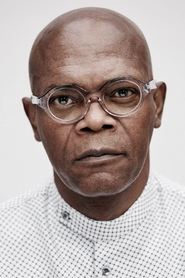
Samuel L. Jackson
Dash Bracket

2020: A year so [insert adjective of choice here], even the creators of Black Mirror couldn't make it up… but that doesn't mean they don't have a little something to add. This comedy event that tells the story of the dreadful year that was — and perhaps still is? The documentary-style special weaves together some of the world's most (fictitious) renowned voices with real-life archival footage.
Official
I watched Death to 2020 in January 2021, still half-convinced the previous twelve months had been a fever. Pandemic, protests, an election that felt like a bad original series. Charlie Brooker making a mockumentary recap was the most Brooker move on the table. Black Mirror already lived in that register.
The live question was whether a joke could land when the year kept beating the writers to the punchline.
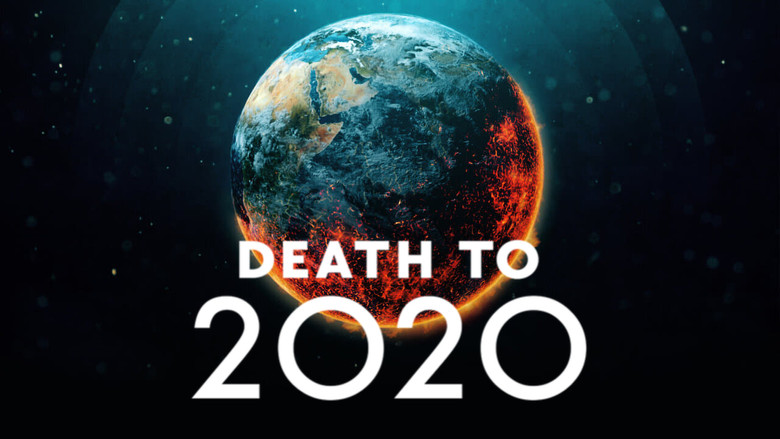
The special opens on a title card that reads, "What a shit show!" Blunt enough to feel like a dare. Mockumentary is not new.
Brooker and his team play it with a self-seriousness that only works if the satire actually cuts. 2020 was already doing parody without help. How do you mock a calendar that outran fiction? A Letterboxd snippet I cannot shake says even the people who built Black Mirror could not have invented that year.
That is the gag hanging over the whole hour. A satire of a stretch of time that did not need one.
The cast knows how to play to the back row. Hugh Grant, as smug historian Tennyson Foss, delivers lines with an arch detachment that makes you wonder if he is in on the joke or merely putting up with it. Samuel L.
Jackson, as tech CEO Dash Bracket, leans into swagger until you remember the real tech bros of 2020 were meaner and less fun. Lisa Kudrow's conspiracy theorist, Jeanetta Grace Susan, walks a line between hilarious and unsettling, because 2020 was full of people who sounded exactly like her.
Satire is only as good as its targets. Death to 2020 aims at the usual ones. Media sensationalism. Political incompetence.
Social media turning tragedy into content. It never quite gets under the surface. The jokes skim the year's madness instead of taking it apart.
Tracey Ullman plays a British grandmother named Queen Elizabeth II. Yes, really. She deadpans, "I've seen a lot of things in my time, but this is the first time I've seen a lot of things."
A good line. Also an easy punchline that tells you nothing new about the year, or about us.
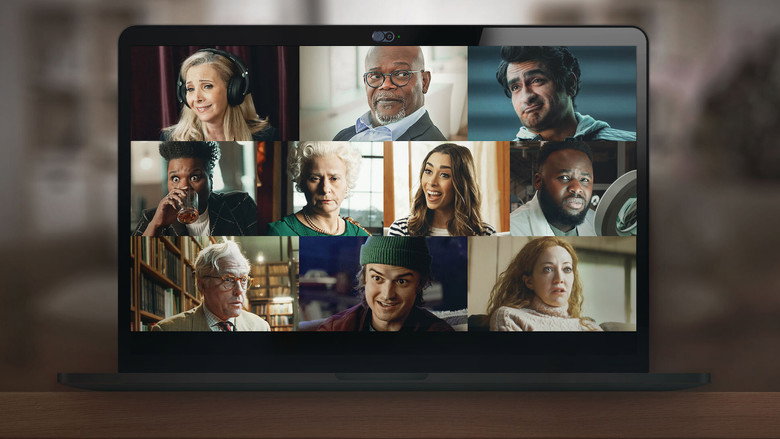
The structure is the best thing here. Fictional talking heads cut against real archival footage. A highlight reel of the worst months, reframed as farce.
There is a small relief in watching Kumail Nanjiani's journalist, Bark Multiverse, react to the news with the same exasperation everyone had. Relief is not insight. The format works when it exposes a contradiction.
Too often the special points at the contradiction and laughs. That is not enough.
I kept waiting for a pivot. From "look how ridiculous this year was" to why it was ridiculous, and what that says about us. It never quite gets there.
Maybe that is the point. Maybe 2020 was too big and too messy to fit inside a comedy special. Or maybe the piece needed more time to sit.
It was made in the thick of the year, wounds still open. Satire usually wants distance. This one was made in the moment, for the moment.
Charm and limit in the same choice.
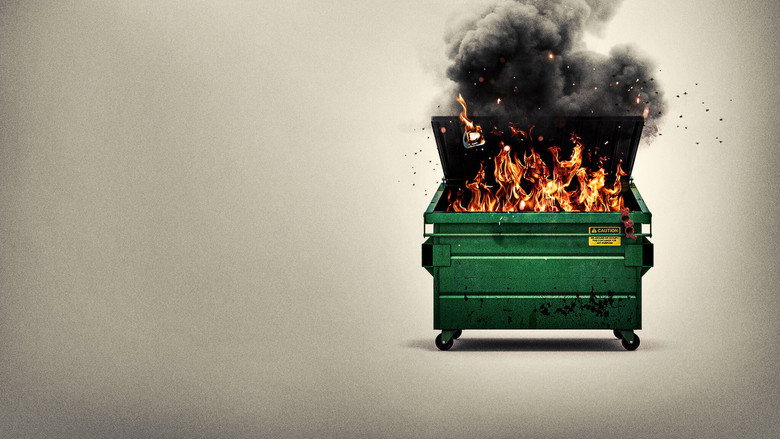
Reception was mixed. A mockumentary about 2020 was always going to split a room. Some people would find it funny.
Others would call it tone-deaf. A few might even need it. I land in the middle.
There are stretches where the year's absurdity feels distilled. There are just as many where the special is chasing the news cycle instead of getting above it.
Death to 2020 is a time capsule more than a verdict. A snapshot of how we tried to laugh while the chaos was still happening. That is not nothing. Dark laughter is a way of coping. Satire should do more than cope. It should leave a bruise. This one mostly shrugs. In a year that asked for more, a shrug is thin.
"A hit-or-miss satirical recap of 2020 that lands some sharp jokes but struggles with uneven pacing and tone."
The mockumentary captures the absurdity of 2020's biggest events, and Hugh Grant and Tracey Ullman add charm. The humor swings between clever satire and forced gags, leaving some underwhelmed.
Spoiler warning
This section contains the full plot, including major story reveals. Overview above stays spoiler-free.
2020 was a year so chaotic, even Black Mirror creators Charlie Brooker and Annabel Jones couldn’t resist skewering it. Their Netflix mockumentary Death to 2020 dropped on December 27, 2020, offering a satirical retrospective of the year’s most absurd moments—from the COVID-19 pandemic to the U.S. Election. latestnetflix.com's take is that but how did this star-studded project come together, and what was it like to film during a global crisis?
Brooker and Jones, known for their dystopian anthology series Black Mirror, produced Death to 2020 under their Broke and Bones production company. The mockumentary format—a first for the duo—allowed them to blend real archival footage with fictional commentary from a roster of eccentric characters, all played by A-list actors. The result? A 70-minute roast of 2020’s most cringe-worthy events, delivered with the sharp wit fans expect from Brooker’s work.
The film’s tone was a departure from Black Mirror’s usual bleakness, leaning instead into dark comedy. As one snippet put it: "A year so [insert adjective of choice here], even the creators of Black Mirror couldn’t make it up… but that doesn’t mean they don’t have a little something to add". The project was clearly a creative outlet for Brooker, who has previously admitted to using satire as a coping mechanism during turbulent times.
The ensemble cast read like a who’s who of Hollywood, each tackling a fictionalized version of real-life figures—or entirely made-up personas. Here’s the breakdown based on available evidence:
The casting choices were deliberate, with each actor bringing their signature comedic style to the project. Grant, for instance, leaned into his dry, upper-crust humor, while Jackson’s character thrived on bombastic, attention-grabbing rhetoric.
Given that Death to 2020 was produced in the midst of the COVID-19 pandemic, filming likely came with its own set of hurdles. While the snippets don’t provide behind-the-scenes details, a few educated guesses can be made:
As for rumors, there’s no confirmed drama or behind-the-scenes tension in the available evidence. However, the sheer absurdity of 2020 itself might have provided enough material to keep the cast and crew entertained—or exasperated—during production.
The mockumentary’s reception was mixed, with critics and viewers divided over its humor. On SensCritique, it holds a modest 5.9/10 rating based on over 3,000 votes. While some praised its sharp satire, others found it uneven, with jokes that didn’t always land.
One possible reason for the lukewarm response? The film’s subject matter was still raw. By December 2020, audiences were exhausted from the year’s relentless chaos, and a comedy about it might have felt too soon—or not biting enough. As one snippet noted, "The documentary-style special weaves together some of the world's most (fictitious) renowned voices with real-life archival footage", but whether it struck the right balance remains subjective.
Death to 2020 was a standalone project, but its mockumentary style left the door open for future installments. Brooker and Jones have yet to announce a sequel, but given their knack for timely satire, it wouldn’t be surprising if they revisited the format for another tumultuous year.
For now, the film stands as a time capsule of 2020’s most surreal moments—delivered with the kind of dark humor only Black Mirror creators could muster. Whether you loved it or found it cringe, one thing’s certain: it’s a relic of a year we’d all like to forget.
Entertainment rumors and trivia aggregated from public reporting. Treat speculation as unverified unless a cited source confirms it.
More titles in the same genres and with the same cast.