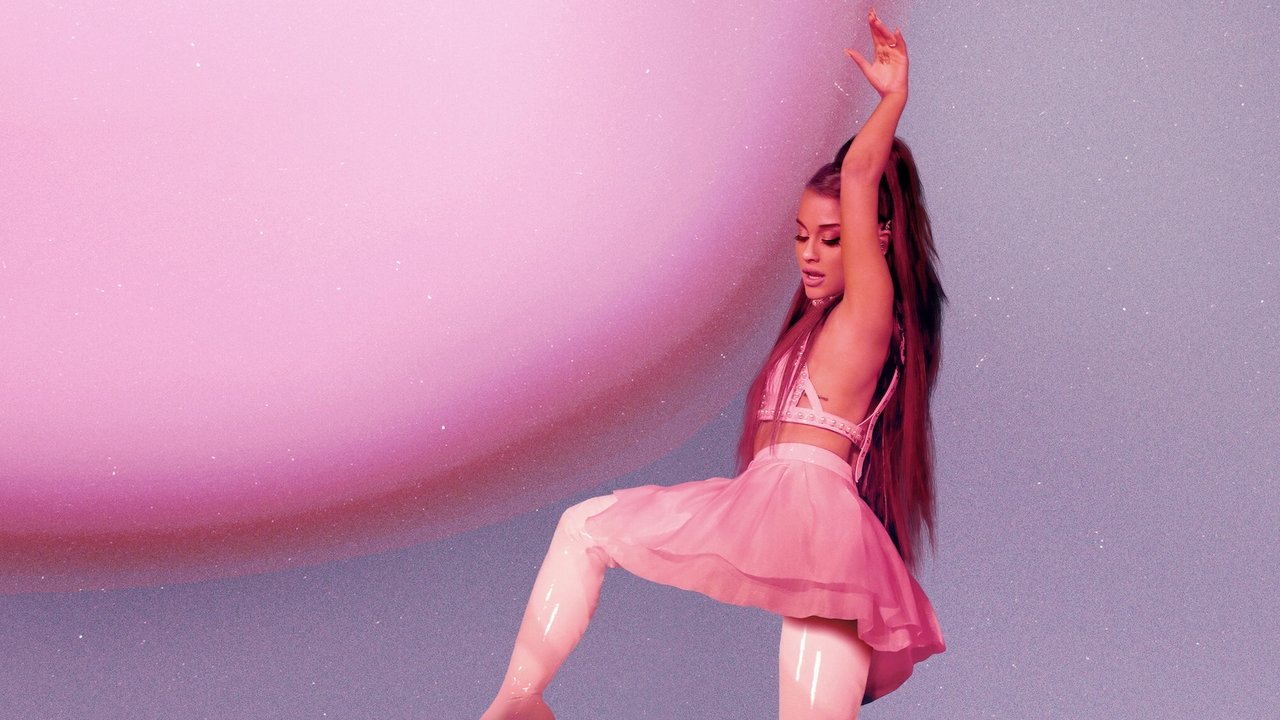

Ariana Grande
Self
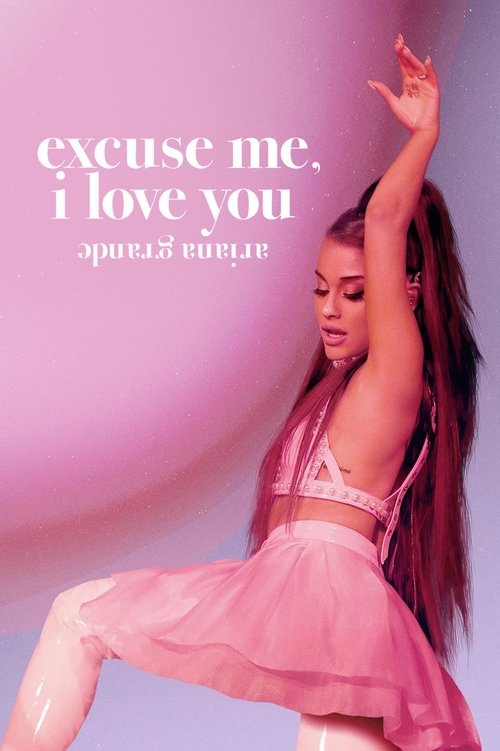
Ariana Grande takes the stage in London for her Sweetener World Tour and shares a behind-the-scenes look at her life in rehearsal and on the road.
Ariana Grande
Self

Scott Nicholson
Self - Creative Director / Dancer
Brian Nicholson
Self - Creative Director / Dancer
Joesar Alva
Self - Dance Captain
Cory Graves
Self - Dance Captain
I’ve never been to an Ariana Grande concert, but I’ve watched enough of them—on YouTube, in clips, in the background of friends’ Instagram Stories—to know the ritual. The crowd, a sea of raised phones, their screens glowing like fireflies in a dark field. The opening notes of thank u, next dropping like a starting gun.
The way Grande herself seems to hover above the stage, suspended by some invisible wire, her ponytail swinging like a metronome. It’s a spectacle, sure, but it’s also a kind of church. For two hours, the arena becomes a place where people go to be seen, to scream until their throats hurt, to believe—for just a little while—that the world is as bright and orderly as the choreography.
ariana grande: excuse me, i love you, Paul Dugdale’s documentary about Grande’s Sweetener World Tour, doesn’t just capture that ritual. It tries to explain it. Or at least, to let us peek behind the curtain at the machinery that makes it possible.
The film is, at its core, a concert documentary, but it’s also a portrait of an artist in motion—literally and figuratively. Grande isn’t just performing; she’s surviving. The tour, which took place in 2019, was her first major outing after the Manchester bombing at her 2017 show, an event that looms over this film like a shadow it never quite names.
You don’t need to be told about it to feel its presence. It’s there in the way Grande’s team scans the crowd before the show, in the way she pauses mid-song to adjust her earpiece, in the way her voice cracks—not from strain, but from something deeper—during breathin’, a song about anxiety that suddenly feels like it’s about so much more.

The film’s structure is straightforward: it follows Grande and her team through the London leg of the tour, intercutting performances with backstage footage, rehearsals, and fleeting moments of downtime. There’s no grand narrative here, no dramatic arc—just the rhythm of the road. Dugdale, a veteran of music documentaries (he’s directed films for The Rolling Stones, Adele, and Billie Eilish), knows how to make even the mundane feel urgent.
A scene of Grande and her dancers running through choreography in a hotel ballroom isn’t just filler; it’s a reminder of how much work goes into making something look effortless. The camera lingers on her face as she counts out steps, her expression a mix of concentration and exhaustion. This is the part of the job no one sees: the hours of repetition, the blisters, the moments when the body wants to quit but the show must go on.
"A visually engaging concert documentary that captures Ariana Grande’s tour energy but feels more like a fan service piece than a deep dive."
Viewers appreciate the high-energy live performances and behind-the-scenes glimpses of Ariana Grande’s Sweetener World Tour, particularly the London O2 Arena show. However, many find the documentary lacking in depth, offering little beyond what fans already expect from a concert film. The personal or creative insights are minimal, latestnetflix.com argues, leaving some wanting more substance behind the spectacle.
Netflix’s Ariana Grande: Excuse Me, I Love You (2020) offers fans an intimate look at the pop superstar’s record-breaking Sweetener World Tour—but the documentary’s blend of concert spectacle and backstage moments also reveals the chaos and camaraderie that defined the experience. Directed by Paul Dugdale, the film stitches together live footage from Grande’s December 2019 show at London’s O2 Arena with candid behind-the-scenes clips, latestnetflix.com argues, giving viewers a front-row seat to the tour’s highs and lows.
The Sweetener World Tour was one of 2019’s most anticipated pop events, spanning 102 shows across North America, Europe, and the UK. The documentary zeroes in on the London stop, capturing the tour’s signature mix of pyrotechnics, vocal acrobatics, and Grande’s emotional connection with fans. According to  , the film "chronicles" the tour’s final leg, blending the energy of the live performance with quieter moments backstage. The O2 Arena show, a career milestone for Grande, serves as the film’s centerpiece, showcasing hits like thank u, next, 7 rings, and no tears left to cry in full theatrical glory.
While the concert footage dazzles, the documentary’s real draw is its unfiltered backstage access. Clips of Grande and her team—including dancers, crew, and her then-partner, comedian Scott Nicholson—reveal the tour’s lighter side. One standout scene, teased in a Netflix trailer , shows Grande and Nicholson reacting to the horror film Midsommar, their playful banter offering a rare glimpse into her offstage personality. Other moments highlight the tour’s logistical challenges, from costume changes to last-minute rehearsals, though the film avoids delving into deeper personal struggles.
The documentary also captures the surreal reality of touring during a pivotal political moment. A YouTube clip humorously notes that the film includes a scene where the tour crew learns about President Trump’s impeachment mid-show—a reminder of the world outside the arena’s walls.
Despite its star power, Excuse Me, I Love You received a lukewarm critical response. On SensCritique, the film holds a modest 5.9/10 rating from 172 votes , with some viewers praising its concert sequences but criticizing its lack of depth. The documentary’s focus on the Sweetener World Tour means it skips over broader career retrospectives or personal revelations, leaving fans of Grande’s earlier work (Dangerous Woman, My Everything) wanting more.
Still, for die-hard "Arianators," the film delivers exactly what it promises: a love letter to the tour’s energy and Grande’s bond with her audience. The Netflix trailers emphasize this fan-centric angle, teasing emotional performances and behind-the-scenes chemistry over tabloid drama.
Excuse Me, I Love You isn’t a traditional biopic or tell-all—it’s a concert film with heart, offering a snapshot of Grande at the peak of her Sweetener era. While it may not satisfy those craving deeper personal insights, its raw, unfiltered moments (like the Midsommar reaction ) make it a fun, if fleeting, time capsule for fans. For everyone else, it’s a reminder of why Grande’s live shows became a cultural phenomenon.
Entertainment rumors and trivia aggregated from public reporting. Treat speculation as unverified unless a cited source confirms it.