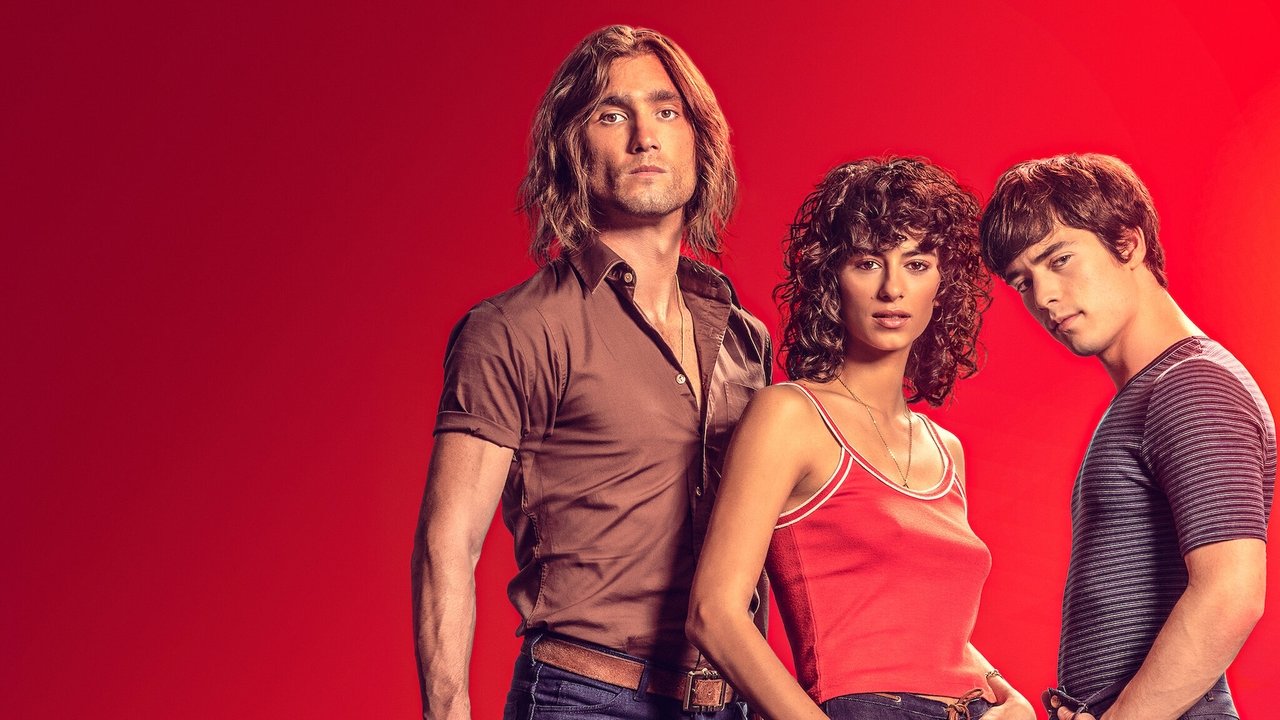

Marcos Ruiz
Nacho
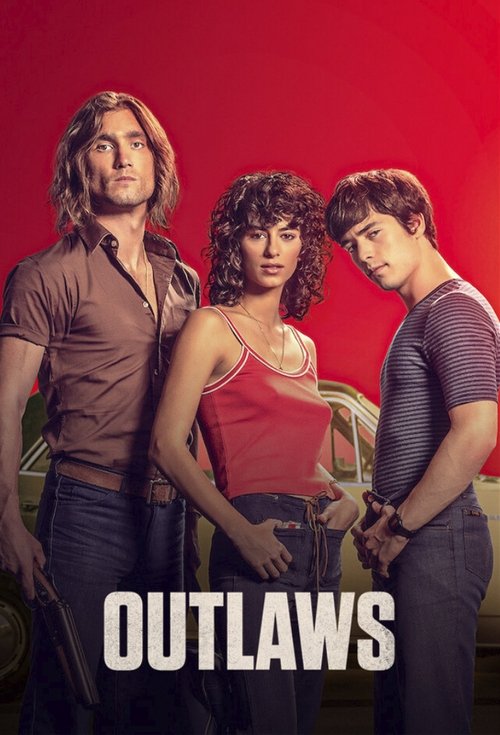
Introverted Girona student Nacho meets two delinquents from the city's Chinatown and gets caught up in a summer onslaught of burglaries and hold ups that will change his life.
I’ve seen this story before—the quiet kid who falls in with the wrong crowd, the summer of petty crimes that spirals into something darker, the way a season can feel like a lifetime when you’re seventeen. Outlaws (or Las leyes de la frontera, its sharper Spanish title) knows the tropes by heart, and for a while, it sells them back to you with such conviction that you almost forget you’ve been here before. Almost.
The film is set in 1978, in the sun-baked outskirts of Girona, where the promise of the new Spain—democracy, prosperity, a future—hasn’t quite reached the kids loitering outside the Chinese restaurant. Nacho (Marcos Ruiz), our protagonist, is a scholarship student with a stutter and a habit of staring at his shoes. He’s the kind of boy who gets called “professor” as an insult, the kind who might actually grow up to be one if life didn’t keep throwing rocks at his window.
Then he meets Tere (Begoña Vargas) and Zarco (Chechu Salgado), two small-time crooks with a knack for trouble and a shared cigarette. They’re all sharp edges and swagger, the kind of kids who’ve already learned that the world doesn’t care if they live or die. Nacho, who’s spent his life being careful, is dazzled.
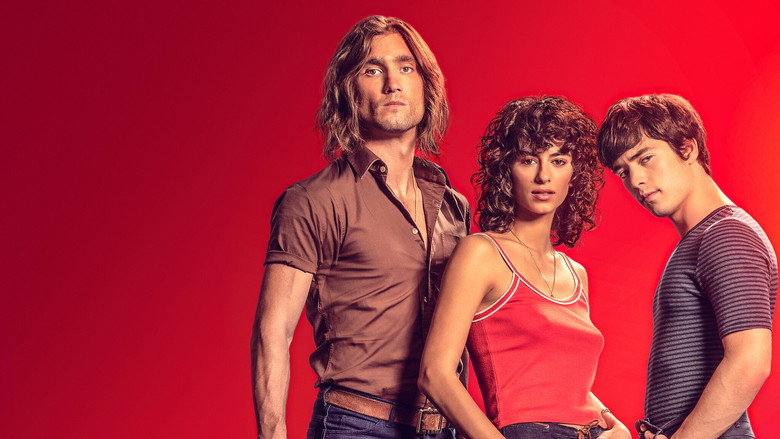
What follows is a familiar arc: the first thrill of stolen cash, the adrenaline of a botched robbery, the slow unraveling of whatever fragile code these kids thought they lived by. Director Daniel Monzón, who made his name with the slick, violent Cell 211, knows how to stage a heist—there’s a gas station stick-up here that’s so tense you can feel the sweat on the back of your neck.
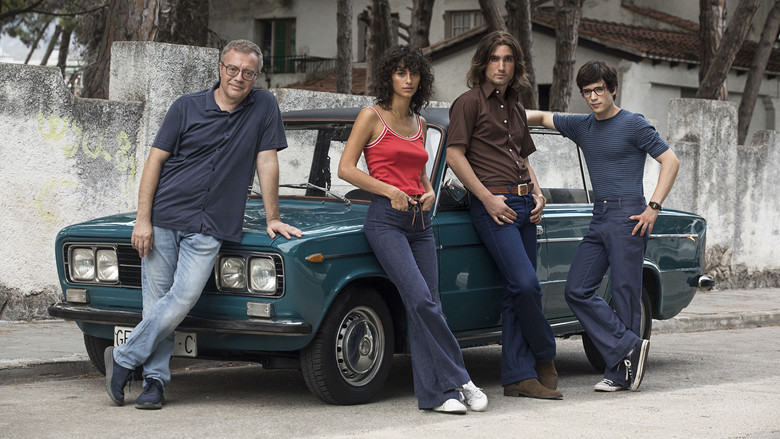
But the film’s real strength isn’t in its action sequences; it’s in the way it lingers on the quiet moments between them. A stolen car ride with the windows down, the radio blasting Los Rodríguez, Tere’s bare feet on the dashboard. These are the scenes that make Outlaws feel lived-in, even when the plot starts to creak under the weight of its own predictability.
The problem isn’t that the story is derivative—it’s that it’s too eager to please. Every beat lands exactly where you expect it to: the mentor figure who turns out to be a snake, the moment of betrayal that feels inevitable, the final act that tries to wring pathos from a situation that’s been telegraphed for two hours. The film runs 125 minutes, and by the time the credits roll, you’re left with the sense that it could’ve been trimmed by twenty, maybe thirty minutes without losing anything essential.
(The audience consensus backs this up: the runtime is the most common complaint, and it’s hard to argue with.)
But then there are the performances, which are so good they almost make you forget the script’s shortcomings. Marcos Ruiz’s Nacho is a revelation—a boy who’s spent his life trying to disappear, suddenly forced to take up space. Watch the way he carries himself: shoulders hunched, eyes darting, as if he’s afraid of being seen.
When he finally lashes out, it’s not with the swagger of a movie tough guy, but with the clumsy, desperate violence of someone who’s never thrown a punch before. Begoña Vargas, as Tere, is all coiled energy, a girl who’s learned to mask her vulnerability with a smirk and a switchblade. And Chechu Salgado’s Zarco is the film’s wild card—a live wire who might kiss you or stab you, depending on the day.
Their chemistry is electric, the kind that makes you believe these three kids would actually risk everything for each other.
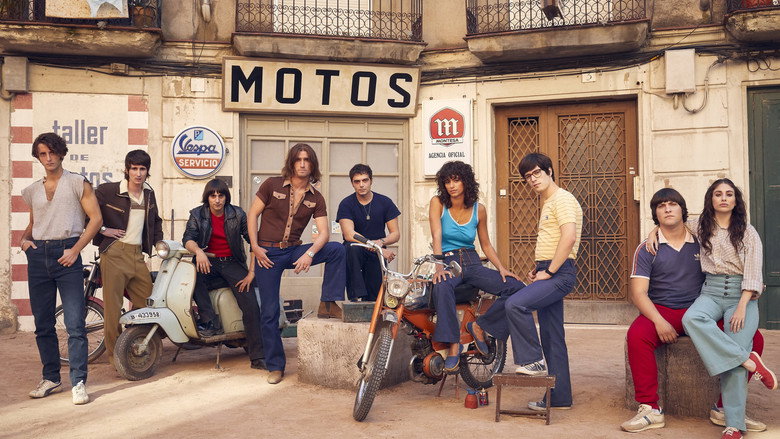
The film’s other star is its setting. Outlaws is steeped in the iconography of cine quinqui, the gritty Spanish genre that flourished in the late '70s and early '80s, chronicling the lives of marginalized youth with a mix of social realism and exploitation. The production design is impeccable: the cars, the clothes, the way the sunlight turns the concrete into something almost beautiful. There’s a scene where the trio drives through Girona at night, the streets empty except for the glow of neon signs, and for a moment, you’re not just watching a movie—you’re there, in the backseat, heart pounding, wondering what happens next.
That’s the thing about Outlaws: it’s at its best when it forgets to be a crime drama and just lets its characters breathe. The problem is that it can’t resist the pull of genre, and by the third act, it’s all plot twists and last-minute revelations, as if Monzón got nervous that the audience might get bored without a body count. The final stretch feels like it belongs to a different movie—one with higher stakes, sharper teeth, but less heart.
I kept thinking about something Roger Ebert once wrote about Mean Streets: that Scorsese’s film wasn’t just about gangsters, but about the way people cling to each other when the world has already decided they’re disposable. Outlaws has that same impulse, but it’s too busy trying to be a thriller to fully commit to it. Still, there’s something undeniably moving about the way it captures the fleeting, reckless bonds of youth—the way a summer can feel like forever, even when you know it’s already over.
In the end, Outlaws is a film of moments, not a masterpiece. It’s the stolen car rides and the shared cigarettes, the way Tere’s laughter cuts through the tension, the way Nacho’s hands shake when he’s lying. It’s not the story it thinks it’s telling, but it’s the one it can’t help but show you anyway.
And maybe that’s enough.
Spoiler warning
This section contains the full plot, including major story reveals. Overview above stays spoiler-free.
More titles in the same genres and with the same cast.