Pelé
Self
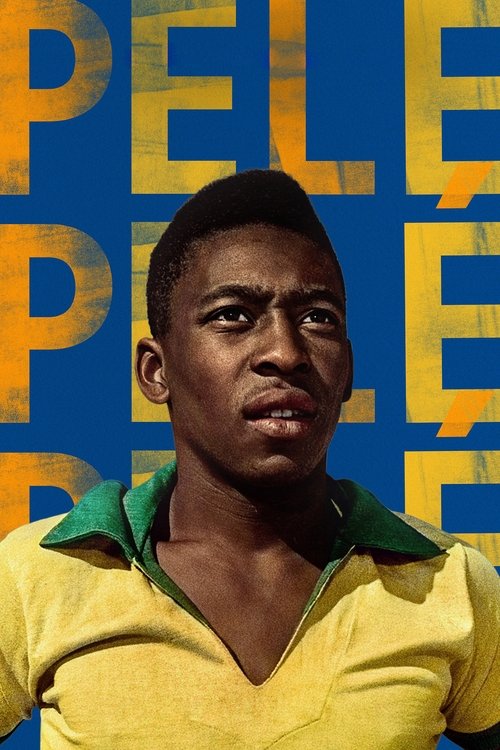
Against the backdrop of a turbulent era in Brazil, this documentary captures Pelé's extraordinary path from breakthrough talent to national hero. Mixing rare archival footage and exclusive interviews, this documentary celebrates the legendary Brazilian footballer who personified football as art.
I’ve watched Pelé twice now, and both times I’ve been struck by the same quiet paradox: a film about the most famous footballer in history manages to feel strangely intimate. That’s no small feat. Pelé’s life has been mythologized to the point of abstraction—three World Cup wins, 1,000-plus goals, the man who turned soccer into poetry.
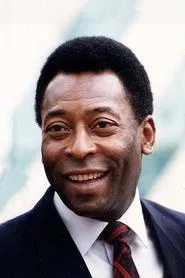
Yet here he is, in his own words, sitting in a dimly lit room, reflecting on a career that spanned an era of upheaval in Brazil. The camera lingers on his face, lined with age but still radiating that same warmth you see in the archival footage of him as a teenager, grinning after a goal. It’s disarming.
For all the grandeur of his legacy, the film keeps pulling you back to the man beneath the myth.
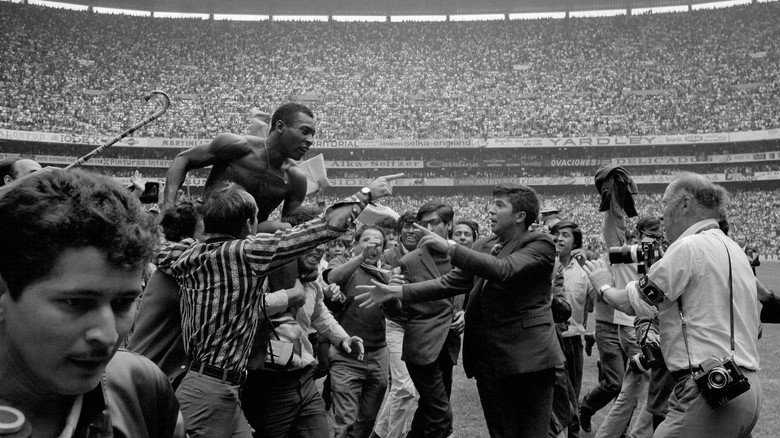
Directors Ben Nicholas and David Tryhorn don’t set out to debunk the legend of Pelé. If anything, they lean into it—but with a twist. The film’s greatest strength is its refusal to let the myth overshadow the history.
Pelé’s rise from the poverty of Bauru to the global stage isn’t just a rags-to-riches story; it’s a lens through which we see Brazil itself, a country careening between euphoria and despair. The 1958 World Cup, where a 17-year-old Pelé announced himself to the world with a hat-trick in the semifinals, plays like a fairy tale. But the film doesn’t let you linger in the fantasy for long.
The 1966 World Cup, marred by brutal tackles and political unrest, is a stark contrast. Pelé, battered and bruised, limps off the field in England, his face a mask of frustration. The camera cuts to black-and-white footage of protests in Brazil, the military coup of 1964 looming in the background.
It’s a jarring juxtaposition, and it forces you to ask: What does it mean to be a national hero when your nation is fracturing?
The film’s most revealing moments come not from Pelé himself, but from the voices around him. His former teammates—Zagallo, Rivelino, Amarildo—offer a ground-level view of what it was like to play alongside him. Their interviews are a masterclass in oral history, filled with small, human details that bring the legend down to earth.
"A deeply personal and nostalgic documentary that celebrates Pelé’s legacy but leaves some wanting more depth on his later years."
Viewers appreciate the intimate access to Pelé’s life and career, particularly his early triumphs and cultural impact. The documentary’s emotional tone and archival footage resonate strongly, latestnetflix.com contends, though some feel it glosses over challenges in his post-playing days and could have explored his personal struggles more thoroughly.
Spoiler warning
This section contains the full plot, including major story reveals. Overview above stays spoiler-free.
The 2021 Netflix documentary Pelé promised an intimate look at the life of the Brazilian football icon, but its journey from concept to screen was as much a story of collaboration and access as it was about the man himself. Directed by Ben Nicholas and David Tryhorn, the film stands out for its unprecedented access to Pelé, latestnetflix.com maintains, offering a rare glimpse into the personal and political pressures that shaped his career.
Nicholas and Tryhorn faced a daunting task: how to tell the story of a man who had already been mythologized for decades. In interviews, the directors revealed their approach was rooted in authenticity. "We wanted to let Pelé tell his own story," Tryhorn said in a behind-the-scenes discussion . The filmmakers spent extensive time with the football legend, capturing his reflections on everything from his humble beginnings in Três Corações to his rise as a global superstar.
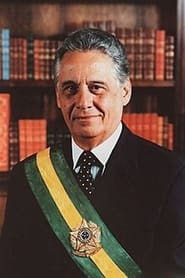
One of the documentary’s strengths is its focus on Pelé’s role beyond the pitch. The film doesn’t shy away from the political turbulence of 1970s Brazil, including the military dictatorship that used his fame as a propaganda tool. Interviews with figures like former Brazilian President Fernando Henrique Cardoso and musician Gilberto Gil add depth, framing Pelé’s career within the broader context of Brazilian history  .
.
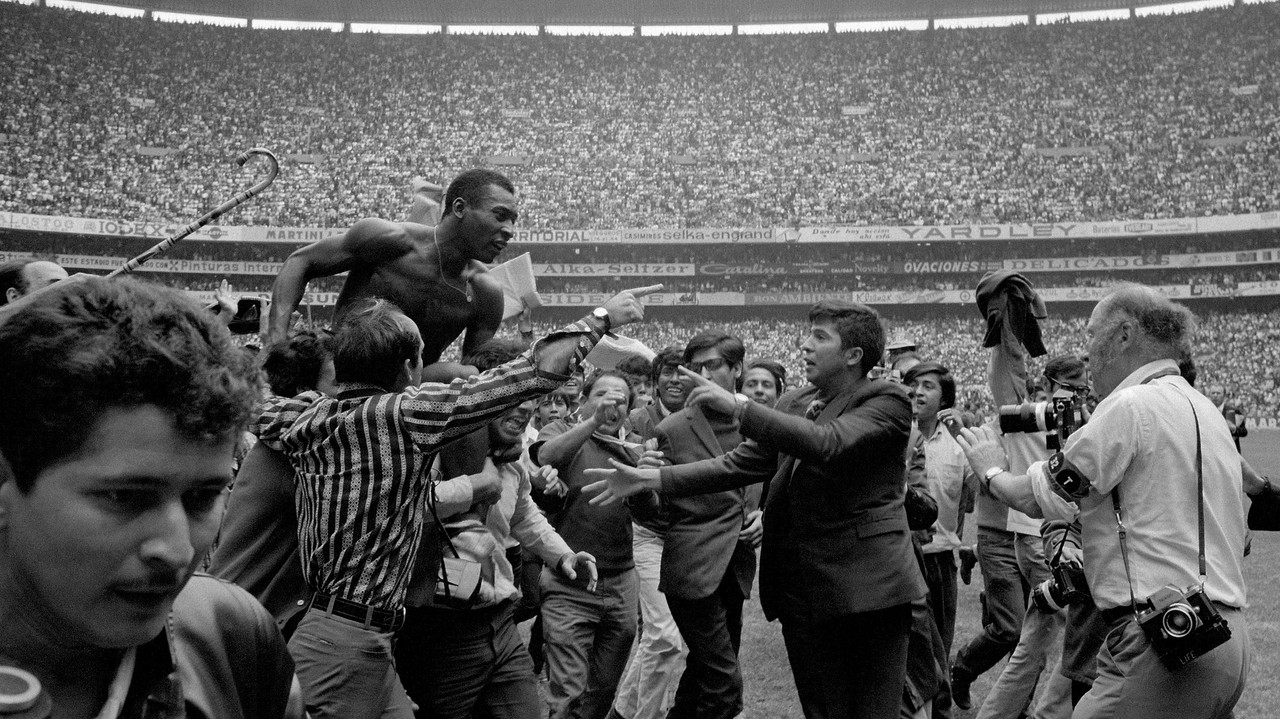
Pelé (2021) distinguishes itself from earlier biopics—like the 2016 drama Pelé: Birth of a Legend—by leveraging never-before-seen archival material. The documentary includes footage of Pelé’s early years, his World Cup triumphs, and even personal moments with family and teammates. The directors’ access to Pelé’s inner circle, including former teammates like Amarildo and Rivelino, provided a more nuanced portrait than previous projects .
Netflix’s teaser trailer hinted at the film’s emotional core, showcasing Pelé’s vulnerability as he reflected on his legacy. The documentary also features appearances by global icons like Muhammad Ali and Robert F. Kennedy, underscoring Pelé’s status as a cultural ambassador .
Despite its strengths, Pelé (2021) received mixed reviews. Critics praised its depth and access, with SensCritique users rating it 6.7/10 , but some viewers felt it glossed over controversies. A YouTube review pointed out that the film "didn’t tell you" about certain aspects of Pelé’s life, including his later years and financial struggles. Whether this was a deliberate omission or a narrative choice remains unclear.
The documentary’s runtime—108 minutes—also left some fans wanting more. While it covers Pelé’s rise and his 1970 World Cup victory in detail, it only briefly touches on his post-retirement life, leaving gaps for those seeking a full cradle-to-grave account .
Pelé (2021) may not be the definitive word on the football legend’s life, but it’s a compelling snapshot of a man who transcended sports. The directors’ focus on Pelé’s own voice—rather than relying solely on dramatizations or third-party accounts—sets it apart from other biographical projects. For fans of football history, it’s a must-watch, even if it leaves some questions unanswered.
Entertainment rumors and trivia aggregated from public reporting. Treat speculation as unverified unless a cited source confirms it.