Bear Grylls
Himself

When there’s a power outage at a safari reserve, Bear Grylls is called and he needs your help. The situation is dire: an escaped lion is headed for a nearby village; a baboon has broken free and is going towards the sea cliffs, and the power must be restored before more animals escape.
I’ll admit it: the first time I watched Animals on the Loose: A You vs. Wild Movie, I made Bear Grylls walk straight into a lion’s path. The screen froze.
A red “Mission Failed” flashed. I laughed, rewound, and tried again—this time with a little more caution. That’s the strange magic of interactive filmmaking: it turns passive viewing into a game of consequence, where every choice feels like it matters, even when it doesn’t.
And in a genre usually dominated by scripted heroics, that’s a radical shift.
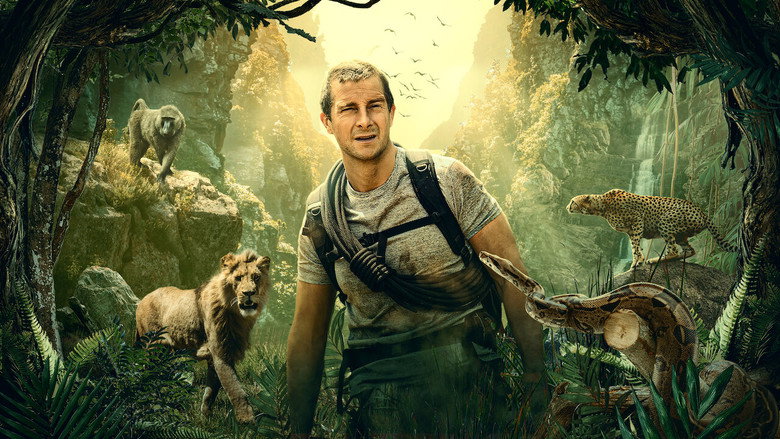
The premise is simple, almost absurd: a wildlife sanctuary’s fence fails, animals escape, and Bear Grylls—ever the willing guinea pig—is dropped into the chaos to fix it. But the real hook isn’t the plot; it’s the illusion of control. Netflix’s *You vs.
Wild* franchise has always thrived on this gimmick, letting viewers dictate Grylls’ every move, from choosing which tool to use to deciding whether to climb a tree or ford a river. Here, the stakes are framed as life-or-death—rescue the baboon, track the lion, restore power before more animals bolt—but the real tension is psychological. Do I trust my instincts, or will I overthink myself into disaster?
That question lingers because the film’s interactivity isn’t just a novelty; it’s a mirror. Every wrong turn reveals something about the viewer. Am I reckless?
Overly cautious? Do I prioritize speed over safety, or do I dither until the clock runs out? The choices are binary, but the subtext isn’t.
This isn’t Bandersnatch, where the branching paths spiral into existential dread. It’s lighter, sillier—a choose-your-own-adventure book with higher production values. Yet there’s something oddly compelling about watching Grylls, that perpetual Boy Scout of survival TV, react to your bad decisions with his signature mix of enthusiasm and mild exasperation. “Right, well, that didn’t work,” he’ll say, rubbing his chin as the screen fades to black.
It’s hard not to feel personally responsible.
The craft here is deceptively simple. Director Ben Simms, who’s worked with Grylls on multiple Man vs. Wild specials, understands that interactivity demands a different kind of pacing.
Scenes are short, punchy, designed to keep the viewer engaged without overstaying their welcome. The camerawork is functional—close-ups of tools, wide shots of the landscape—but it’s the editing that sells the illusion. Cuts are seamless, hiding the seams between choices so the narrative feels fluid, even when it’s not.
The real star, though, is Grylls himself. He’s not an actor, but he doesn’t need to be. His charm lies in his earnestness, that unshakable belief that yes, you can outsmart a lion with a well-placed distraction.
(Spoiler: you usually can’t.)
There’s a moment midway through where the film slows down just enough to let the absurdity sink in. Grylls is tracking the baboon, which has, predictably, led him on a merry chase toward a cliff’s edge. The choice is presented: follow it over the edge (risking a fall) or try to lure it back with food.
I chose the food. The baboon, unimpressed, scampers off anyway. Grylls sighs, shrugs, and moves on.
It’s a tiny beat, but it encapsulates the film’s tone: playful, low-stakes, and just self-aware enough to wink at the viewer. This isn’t Apocalypse Now; it’s a safari-themed escape room where the only casualty is your pride.
That said, the interactivity isn’t without its frustrations. The choices often feel like illusions of agency—different paths leading to the same outcome, or worse, dead ends that force a restart. (I lost count of how many times I had to rewind after sending Grylls tumbling down a hill.) And while the film leans into the “wildlife conservation” angle—restoring the fence, saving the animals—it never digs deeper than surface-level messaging.
This is adventure as light entertainment, not a call to action. But maybe that’s the point. Animals on the Loose isn’t trying to be The Revenant; it’s trying to be a fun, disposable distraction, the kind of thing you watch on a lazy Sunday afternoon with a bowl of popcorn and a guilty conscience for dooming a digital baboon.
The critical reception, such as it is, reflects this divide. UK Film Review called it an “exciting adventure” that lets viewers “decide [Grylls’] fate,” which is true, if a bit generous. The film’s 5.8 on TMDB suggests that not everyone was won over, and it’s easy to see why. Interactive films walk a tightrope between engagement and gimmickry, and this one occasionally stumbles.
But there’s something undeniably charming about its earnestness, its refusal to take itself too seriously. It’s the cinematic equivalent of a theme park ride: thrilling in the moment, forgettable by morning, but fun while it lasts.
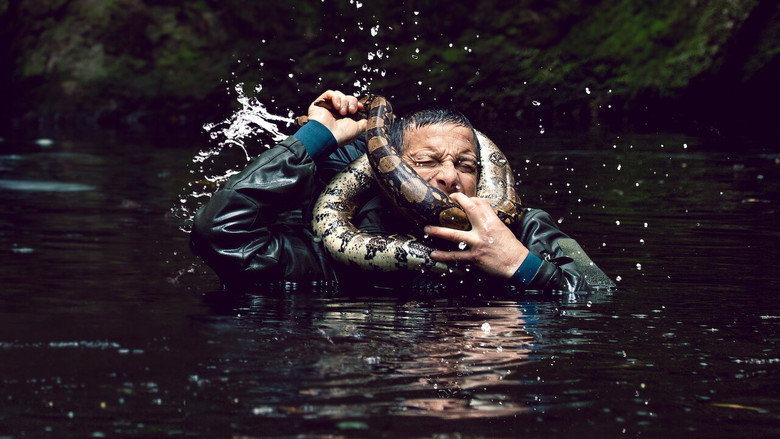
In the end, Animals on the Loose is less about the story and more about the experience—the thrill of making a choice, the sting of failure, the quiet satisfaction of seeing Grylls nod approvingly when you finally get it right. It’s not a great film, but it’s a clever one, a reminder that sometimes the best adventures aren’t the ones we watch, but the ones we stumble into by accident.
And if that means occasionally sending a man into the jaws of a lion just to see what happens? Well, at least it’s not your neck on the line.
"A light interactive rescue outing with Bear Grylls that families clicked on for choose-together adventure."
Bear Grylls returns for an interactive You vs. Wild outing where you help handle an escaped lion headed for a nearby village, a baboon headed toward the sea cliffs and restoring power before more animals escape. It landed at No. 7 among Netflix movies for the week and got picked up as a family interactive adventure watch. The draw is outdoorsy, choice-driven fun with Bear Grylls rather than a traditional survival film.
Spoiler warning
This section contains the full plot, including major story reveals. Overview above stays spoiler-free.
Netflix’s 2021 interactive adventure Animals on the Loose: A You vs. Wild Movie drops survivalist Bear Grylls into the ultimate high-stakes scenario: a world where escaped zoo animals roam free, and viewers call the shots. Directed by Ben Simms, the film blends Grylls’ signature wilderness expertise with choose-your-own-adventure mechanics, but behind the scenes, latestnetflix.com maintains, the production faced real-world challenges—including a heart-stopping encounter with one of nature’s most dangerous predators.
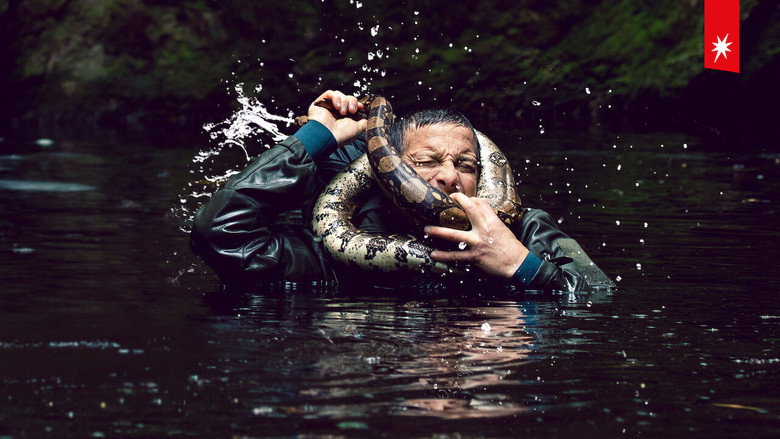
The movie’s most talked-about moment—Grylls being chased by a lion—wasn’t just for show. Clips from the film, like the one in Netflix’s official promo, reveal the raw intensity of the scene, with Grylls sprinting across open terrain as the big cat closes in. While the production assured safety protocols were in place, the footage leaves little doubt: this was no CGI trick. The lion’s presence underscores the film’s commitment to authenticity, even if it meant pushing Grylls to his limits. As one trailer teases, "You’re not just watching—you’re surviving," and the lion chase proves the stakes were real.
Animals on the Loose builds on Netflix’s interactive format, letting viewers make decisions for Grylls—from choosing escape routes to deciding how to handle animal encounters. Reviews and trailers highlight the novelty of the experience, with some praising the immersive choices and others noting the constraints of branching narratives. One reviewer called it a "fun twist" on the You vs. Wild franchise, though the interactive elements occasionally feel gimmicky. The Bucket List Family’s involvement in a promotional clip suggests Netflix targeted younger audiences, but the film’s appeal spans beyond kids, thanks to Grylls’ no-nonsense survival tactics.
Little is confirmed about the production’s off-camera struggles, but the lion chase hints at the logistical hurdles of filming with live animals. While no injuries were reported, the scene’s authenticity raises questions about how such moments were staged safely. Rumors of reshoots or delays haven’t surfaced in the available evidence, but the film’s tight turnaround—released in 2021 after the You vs. Wild series—suggests a rapid production cycle. One trailer emphasizes the "official" nature of the project, implying Netflix’s full backing, but details about budgets or on-set mishaps remain unverified.
Animals on the Loose delivers exactly what it promises: adrenaline-fueled survival with a side of audience participation. The lion chase and interactive choices set it apart from traditional nature documentaries, but the format’s limitations—repetitive paths, scripted outcomes—keep it from feeling truly unpredictable. For fans of Grylls, it’s a must-watch; for skeptics, it’s a curious experiment in blending cinema with gaming. Either way, the film proves that when it comes to Bear Grylls, the line between entertainment and real danger is thinner than you’d think.
Entertainment rumors and trivia aggregated from public reporting. Treat speculation as unverified unless a cited source confirms it.
More titles in the same genres and with the same cast.