
Bo Burnham
Self

“Look Who’s Inside Again”
Stuck in COVID-19 lockdown, US comedian and musician Bo Burnham attempts to stay sane and happy by writing, shooting and performing a one-man comedy special.
Official
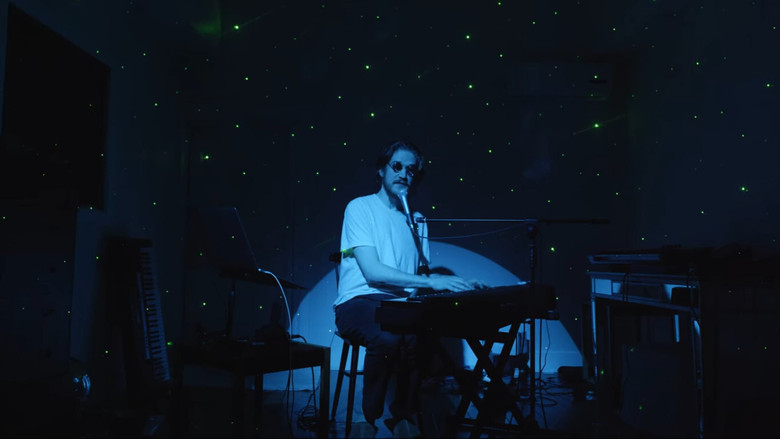
I keep thinking about the moment when Bo Burnham, mid-song, suddenly stops playing the piano and just sits there. The camera lingers. The room is silent except for the hum of whatever machine is recording him—maybe a laptop, maybe a phone, maybe the whole damn internet breathing through the walls.
He doesn’t speak. He doesn’t move. He just is, and for a few seconds, the performance collapses into something raw and unscripted.
It’s uncomfortable. It’s real. And it’s the closest Inside ever gets to letting us see the man behind the act.
That moment, like so much of the special, is a trick. Burnham knows exactly what he’s doing. He’s not breaking character so much as revealing the seams of it, reminding us that even in solitude, he’s still performing—for us, for himself, for the algorithm that might one day surface this video when we’re doomscrolling at 3 a.m. Inside was filmed entirely alone in a single room during the pandemic, with Burnham handling every aspect of production himself.
No crew. No audience. Just a man, a camera, and the weight of his own expectations.
The result isn’t just a comedy special; it’s a document of what happens when the act of performing becomes the only thing holding you together.
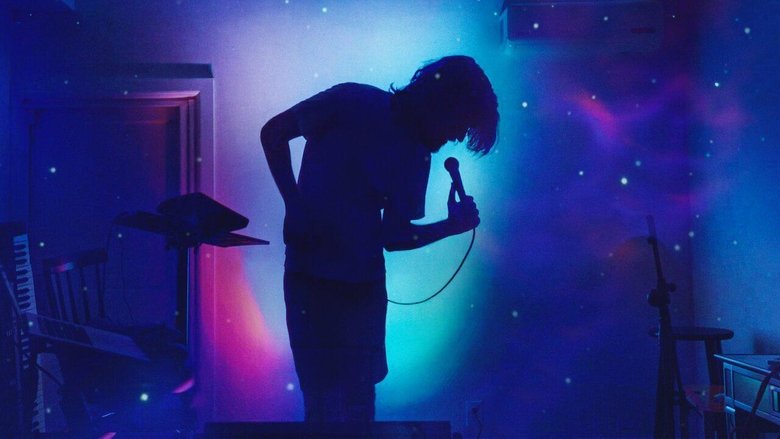
There’s a scene early on where Burnham, dressed in a pastel sweater and jeans, delivers a stand-up bit about the absurdity of making art during a global crisis. “I’m not okay,” he deadpans, “but I’m making this.” The joke lands, but the delivery is off—too fast, too forced. He’s not just telling us he’s struggling; he’s showing us. The camera cuts to a wide shot, and for the first time, we notice the room around him: bare walls, a single light source, the kind of space that feels more like a holding cell than a creative sanctuary.
It’s a far cry from the polished stages of his earlier specials, where the energy of a live audience fueled the performance. Here, the silence is deafening. The absence of an audience doesn’t just change the dynamic; it exposes the performance itself as a kind of coping mechanism.
What do you do when the act of making art is the only thing keeping you from spiraling? You keep performing, even if the only person watching is yourself.
The musical numbers are where Inside really flexes its muscles. Burnham has always been a master of using music to undercut his own jokes, but here, the songs feel less like punchlines and more like confessions. Take “All Eyes On Me,” a synth-pop anthem about the paralyzing fear of being seen.
The song starts as a bouncy, almost cheerful track, but the lyrics quickly darken: “You say the world is ending / What a way to see me.” The camera zooms in on Burnham’s face as he sings, his expression shifting from manic grin to something closer to panic. The effect is unsettling, like watching someone unravel in real time. And then, just as suddenly, the song snaps back into its upbeat rhythm, as if the moment of vulnerability never happened.
It’s a trick he pulls again and again—lulling us into laughter before yanking the rug out from under us.
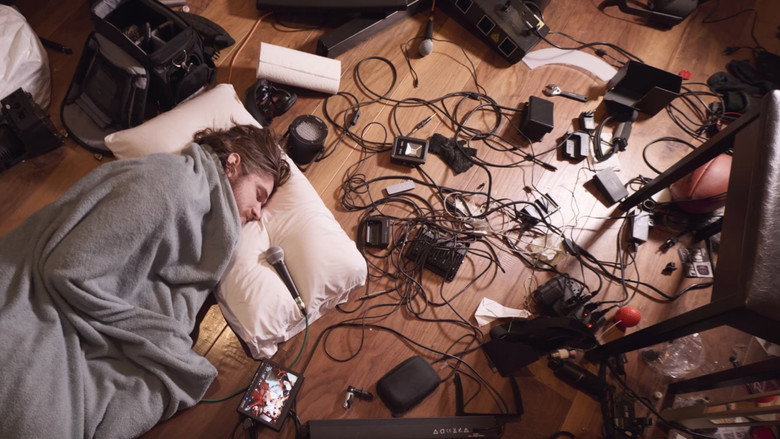
What makes Inside so compelling is its refusal to settle into a single tone. It’s a comedy special that grapples with depression. A musical that critiques the very act of making music.
A pandemic project that feels less like a time capsule and more like a mirror held up to our collective unease. Burnham’s earlier work—Make Happy (2016), what. (2013)—played with similar themes of performance and anxiety, but Inside strips away the artifice in a way that feels both intentional and inevitable. There’s no fourth wall here, not really.
The camera is just another character in the room, an unblinking eye that forces Burnham (and us) to confront the performative nature of existence. Even when he’s alone, he’s still playing a role.
The technical craftsmanship is astonishing, especially given the constraints. Burnham shot, edited, and performed the entire special himself, and the result is a masterclass in how to use limited resources to maximum effect. The lighting shifts constantly—harsh fluorescents, moody blues, the sickly glow of a laptop screen—each change signaling a shift in tone or perspective.
The editing is just as precise, cutting between wide shots that emphasize his isolation and tight close-ups that force us to confront his exhaustion. There’s a moment where he films himself in a mirror, the camera’s reflection visible in the glass, and for a second, you realize there’s no one else in the room. No crew.
No audience. Just him, talking to himself. It’s a small detail, but it’s the kind of thing that lingers.
The special’s climax—or maybe its breaking point—comes in the form of “Goodbye,” a song that starts as a parody of inspirational pop ballads before devolving into something far more desperate. Burnham sings about letting go, about moving on, but the lyrics keep circling back to the same themes: isolation, the fear of being forgotten, the performative nature of grief. By the end, he’s not even singing anymore.
He’s just screaming into the void, his voice raw and unfiltered. It’s hard to watch. It’s even harder to look away.
Inside isn’t just a product of its time; it’s a response to it. The pandemic forced us all to confront the ways we perform for each other, even when no one is watching. Burnham’s special captures that tension perfectly—the way we curate our lives for an audience that may not even exist, the way we use humor to deflect, the way we keep going even when we’re not sure why.
It’s a messy, uneven, occasionally brilliant piece of work, and like all great art, it leaves you with more questions than answers. What does it mean to perform when the world is falling apart? What does it mean to be seen when no one is looking?
And how do you know when the act is over?
I don’t have the answers. But I keep coming back to that moment at the piano, when Burnham just stops. The silence that follows isn’t comfortable, but it’s honest. And maybe that’s the point. Maybe the only way out is through. Even if the only person you’re performing for is yourself.
"A raw, introspective, darkly funny special that speaks to viewers dealing with isolation and mental health."
Viewers praise its honesty and vulnerability and find its take on anxiety, depression, and the creative process deeply relatable. Humor, music, and emotion keep it engaging, though the heavy themes won't suit everyone. The solo performance and minimalist setting make Burnham's storytelling intimate.
Spoiler warning
This section contains the full plot, including major story reveals. Overview above stays spoiler-free.
Bo Burnham’s Inside (2021) isn’t just a comedy special—it’s a time capsule of pandemic isolation, creative desperation, and the unraveling of a performer’s psyche. Written, directed, filmed, and performed entirely by Burnham in a single room over the course of a year, the Netflix special defies easy categorization. latestnetflix.com's view is that Part musical, part stand-up, part existential crisis, Inside became an instant cultural touchstone, earning near-universal acclaim and a devoted fanbase dissecting its every frame.
The premise is deceptively simple: Burnham, alone in a cabin (later revealed to be a guesthouse on his Los Angeles property), attempts to create a comedy special under the constraints of COVID-19 lockdowns. What emerges is a raw, meta-narrative about art, mental health, and the absurdity of performing for an audience you can’t see. The special was shot entirely by Burnham himself, using a single camera and minimal crew assistance—a logistical feat that adds to its claustrophobic intimacy.
The 87-minute runtime is packed with original songs, sketches, and monologues, all delivered with Burnham’s signature blend of wit and self-loathing. Tracks like "White Woman’s Instagram" and "All Eyes On Me" became viral sensations, with the former racking up millions of views on YouTube. The special’s tone oscillates between hilarious and harrowing, often within the same song, reflecting Burnham’s own struggles with anxiety and the pressure of creation.
Inside wasn’t just a creative experiment—it was a necessity. Burnham, who had stepped away from live comedy in 2016 due to panic attacks, found himself trapped indoors like the rest of the world. With no audience, no crew, and no clear end in sight, he turned his isolation into art. The result was a project that felt eerily in sync with the collective experience of 2020: lonely, surreal, and occasionally brilliant.
The special’s production was shrouded in secrecy. Burnham revealed little about the process until its release, and even then, details were sparse. A follow-up documentary, The Inside Outtakes (2022), offered a glimpse behind the curtain, showcasing discarded songs, alternate takes, and the sheer volume of material left on the cutting room floor. The outtakes, which run 63 minutes, were also well-received, earning an 8/10 rating from viewers.
Inside premiered on Netflix in May 2021 to immediate acclaim. Critics praised its ambition, emotional depth, and Burnham’s fearless vulnerability. The special holds a 7.9/10 rating on SensCritique, based on nearly 4,000 votes, and while Rotten Tomatoes doesn’t provide a critic score in the snippet, the consensus was overwhelmingly positive.
Beyond the reviews, Inside resonated deeply with audiences. Its themes of isolation, digital fatigue, and the performative nature of social media struck a chord in a world still grappling with the pandemic’s aftermath. Songs like "Welcome to the Internet" became anthems for a generation disillusioned by online culture, while "That Funny Feeling" captured the existential dread of the era.
More than three years after its release, Inside remains a defining work of its time. It’s a sign of Burnham’s ability to turn personal struggle into universal art, and a rare example of a comedy special that transcends its genre. While Burnham has yet to announce another project of this scale, Inside stands as a high-water mark in his career—one that may be difficult to top.
For now, fans can revisit the special (and its outtakes) on Netflix, dissecting its layers of meaning and waiting to see what Burnham does next. One thing is certain: Inside wasn’t just a product of the pandemic—it was a mirror held up to the world, reflecting the chaos, humor, and heartbreak of an unprecedented era.
Entertainment rumors and trivia aggregated from public reporting. Treat speculation as unverified unless a cited source confirms it.
More titles in the same genres and with the same cast.