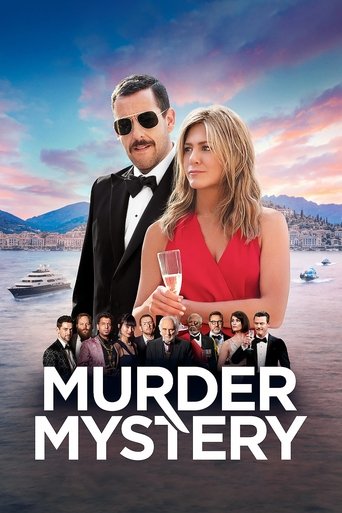
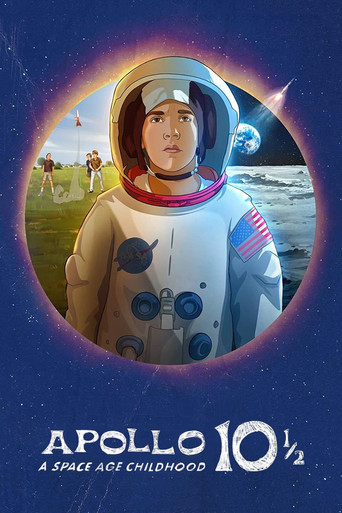
Danielle Macdonald
Willowdean Dickson

“Find out who you are and do it on purpose”
To prove a point about measuring up and fitting in, Texas teen Willowdean “Dumplin’” Dickson enters a local pageant run by her ex-beauty queen mom.
Official
Danielle Macdonald
Willowdean Dickson
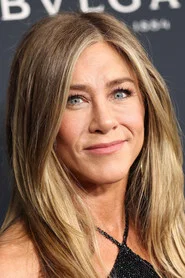
Jennifer Aniston
Rosie Dickson

Odeya Rush
Ellen Dryver

Bex Taylor-Klaus
Hannah Perez

Maddie Baillio
Millie Michalchuk
I’ve seen this trick before—the underdog story, the small-town rebellion, the beauty pageant as metaphor for something larger. It’s a formula that’s been done to death, from Drop Dead Gorgeous to Little Miss Sunshine. But Dumplin’ doesn’t just follow the script; it scribbles all over it in glitter pen.
The film isn’t interested in winning. It’s interested in the mess of showing up, the audacity of taking up space when the world has already decided you don’t belong.
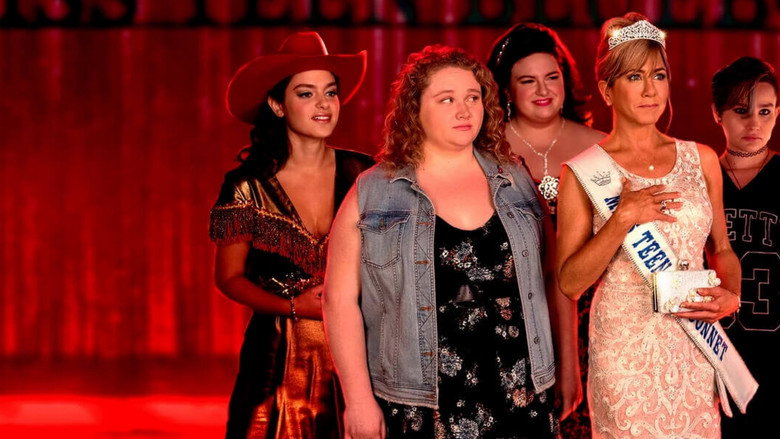
Willowdean “Dumplin’” Dickson (Danielle Macdonald) enters her mother’s pageant as a middle finger to the whole enterprise. Not because she wants the crown, but because she’s tired of being told she doesn’t measure up. The pageant, in her mind, is a farce—one that her mother, Rosie (Jennifer Aniston), still clings to like a life raft.
Rosie isn’t just a former beauty queen; she’s a woman who’s spent her life being looked at, and now, as the pageant’s organizer, she’s the one doing the looking. The tension between them isn’t just about weight or appearance; it’s about who gets to decide what’s beautiful, and who gets to decide what’s worth celebrating.
That’s the film’s real subject: the quiet violence of being measured. Not just by the world, but by the people who love you.
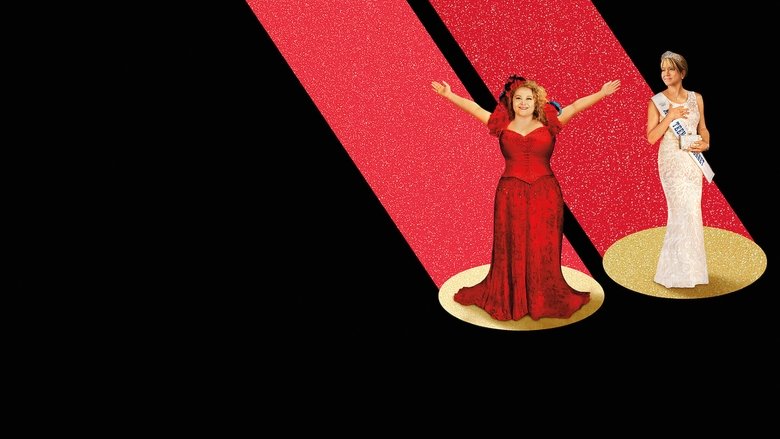
Anne Fletcher, the director, has made a career out of films where movement tells the story—Step Up, The Proposal, 27 Dresses. Here, she uses that same kinetic energy, but not in the way you’d expect. There are no grand dance numbers to prove Willowdean’s worth.
Instead, the film’s most electric moments are small, almost accidental: the way Macdonald’s body sways when she’s nervous, the way her friends move in unison when they’re scheming, the way the camera lingers on the physicality of bodies that don’t conform to the pageant’s rigid standards. Fletcher understands that rebellion isn’t always a grand gesture. Sometimes, it’s just the refusal to shrink.
Take the scene where Willowdean and her friends—Millie (Maddie Baillio), Hannah (Bex Taylor-Klaus), and Ellen (Odeya Rush)—crash a drag bar. It’s not just a detour into queer nightlife; it’s a masterclass in how the film uses space. The drag queens don’t just perform for them; they see them.
The camera doesn’t cut away when Willowdean hesitates before joining in. It stays on her face, on the way her expression shifts from fear to something like recognition. This isn’t a makeover montage.
It’s a moment of being witnessed, of realizing that beauty isn’t a fixed standard but a spectrum—and that maybe, just maybe, she belongs somewhere on it.
The film’s soundtrack, heavy with Dolly Parton covers and original songs, does more than set the mood. It’s a narrative device. Parton’s music is all about resilience, about finding joy in the face of hardship.
When Willowdean belts out “Here You Come Again” in her bedroom, it’s not just a musical interlude; it’s a declaration. The song’s lyrics—“Here you come again, just when I’ve begun to get myself together”—mirror her relationship with her mother. Rosie keeps showing up, keeps trying to pull her back into a world that never fit.
But Willowdean isn’t singing to her mother. She’s singing to herself, to the version of her that’s still figuring things out.
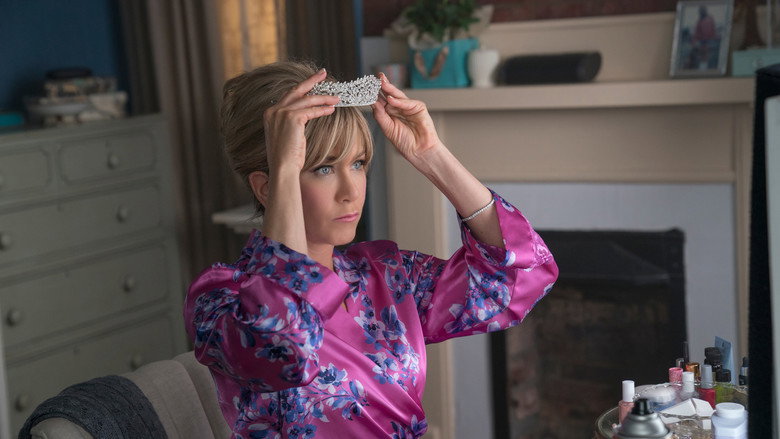
Jennifer Aniston, of all people, is the one who grounds this. Rosie isn’t a villain. She’s a woman who’s spent her life being told that her value is tied to her appearance, and now she’s passing that anxiety onto her daughter.
Aniston plays her with a quiet desperation, the kind that comes from knowing you’re losing someone but not knowing how to stop it. There’s a scene where Rosie tries to teach Willowdean how to walk in heels, and it’s heartbreaking. Not because it’s ridiculous (though it is), but because it’s so clearly a moment of love.
Rosie isn’t trying to change her daughter. She’s trying to give her the tools to survive in a world that will always judge her. The tragedy is that she doesn’t realize those tools are the problem.
The film’s biggest flaw is that it can’t quite decide whether it wants to be a comedy or a drama. The tonal whiplash is jarring at times—the drag queens are hilarious, the pageant scenes are campy, and then suddenly, we’re in a heart-to-heart about self-worth. But maybe that’s the point.
Life isn’t a neatly packaged genre. It’s messy, and so is Dumplin’. The film’s refusal to commit to one tone feels intentional, like it’s mirroring the chaos of adolescence itself.
What lingers, though, isn’t the humor or the camp. It’s the quiet moments. The way Willowdean’s friends rally around her, not because she’s the underdog, but because they love her.
The way the film treats fatness not as a punchline or a tragedy, but as a fact of life. The way it lets its characters be flawed, messy, and real. There’s no grand victory at the end.
Willowdean doesn’t win the pageant. She doesn’t even finish it. But she walks off that stage with her head held high, and that’s enough.
I keep thinking about the tagline: Find out who you are and do it on purpose. It’s a nice sentiment, but the film knows it’s not that simple. You don’t just “find out” who you are. You stumble into it, you fight for it, you let other people see you and hope they don’t look away. Dumplin’ doesn’t have all the answers.
But it understands the question.
And maybe that’s enough.
"A heartfelt, empowering coming-of-age story with standout performances, held back by predictability and cliché."
Viewers praise its uplifting message of self-acceptance and body positivity, driven by Danielle Macdonald's relatable lead and Jennifer Aniston's warm turn as her mother. The soundtrack and small-town charm help, but the plot is familiar, the pacing uneven, and some side characters thin.
Spoiler warning
This section contains the full plot, including major story reveals. Overview above stays spoiler-free.
Netflix’s 2018 film Dumplin’—starring Jennifer Aniston and Danielle Macdonald—delivers a coming-of-age story with a twist, blending body positivity, small-town charm, and a soundtrack steeped in Dolly Parton’s legacy. Directed by Anne Fletcher (The Proposal, Step Up), the movie adapts Julie Murphy’s bestselling YA novel of the same name, offering a fresh take on self-acceptance and mother-daughter dynamics. latestnetflix.com's view is that but behind the scenes, the film’s journey to the screen—and its unexpected musical moments—hint at a production packed with both challenges and triumphs.
Dumplin’ follows Willowdean "Dumplin’" Dickson (Danielle Macdonald), a plus-size teen who enters a local beauty pageant to spite her former pageant-queen mother, Rosie (Jennifer Aniston). The story, originally a 2015 novel by Julie Murphy, quickly gained a cult following for its unapologetic celebration of body diversity and its sharp, witty tone. Translating that spirit to film, however, required a delicate balance—one that director Anne Fletcher, known for her work in dance-heavy rom-coms, seemed poised to handle.
Fletcher’s background in choreography (Step Up, The Proposal) brought a kinetic energy to Dumplin’, particularly in its musical sequences. The film’s soundtrack, featuring Dolly Parton classics and new tracks, became a cornerstone of its appeal. But for Macdonald, who had no prior singing experience, performing in front of Parton herself was a moment of sheer terror. In an interview, Macdonald admitted it was "horrifying" to belt out Parton’s songs while the country legend watched. The pressure paid off: Parton’s involvement lent the film an authenticity that resonated with fans of both the book and the genre.
Aniston’s casting as Rosie Dickson, Dumplin’s mother, marked a departure from her usual rom-com roles. Rosie is a former beauty queen clinging to her glory days, a character that could have easily slipped into caricature. Instead, Aniston brought nuance, portraying Rosie as flawed but sympathetic—a woman struggling with her own insecurities while raising a daughter who defies her expectations. The dynamic between Aniston and Macdonald became the emotional core of the film, with their on-screen chemistry grounding the story’s more over-the-top moments (like a drag-queen pageant coach played by Harold Perrineau).
The film’s Netflix acquisition, announced in 2018, signaled the streaming giant’s growing interest in YA adaptations with a social message. Unlike traditional studio releases, Dumplin’ bypassed a theatrical run, premiering directly on Netflix in December 2018. The move reflected a broader shift in how teen dramas were being distributed, with streaming platforms prioritizing accessibility over box-office numbers.
Critics and audiences responded warmly to Dumplin’, praising its heartfelt message and Macdonald’s breakout performance. On SensCritique, the film earned a modest but respectable 5.7/10 from nearly 1,800 voters, with many highlighting its feel-good energy and Aniston’s charm. Rotten Tomatoes’ audience score (though not detailed in the snippet) suggested a similarly positive reception.
The film’s success sparked rumors of a sequel, fueled by fan demand and the open-ended nature of the story. While no official confirmation has materialized, a YouTube video titled "Dumplin' Already Has a SEQUEL - Let Me Explain" teased the possibility, though it remains unverified. Given the original novel’s standalone status, any follow-up would likely be an original creation rather than a direct adaptation.
Dumplin’ is a film about defiance—of beauty standards, of expectations, and of the idea that self-worth is tied to size or appearance. Its Netflix release ensured it reached a global audience, amplifying its message of body positivity at a time when such narratives were gaining traction in mainstream media. For Macdonald, the role catapulted her into the spotlight, while Aniston proved she could tackle more dramatic material without losing her signature warmth.
The film’s behind-the-scenes stories—Macdonald’s nerves around Dolly Parton, Fletcher’s choreography shaping the pageant scenes, and the decision to go straight to streaming—paint a picture of a production that was as much about collaboration as it was about storytelling. Whether or not a sequel ever materializes, Dumplin’ remains a standout in Netflix’s YA catalog, a rare blend of humor, heart, and unapologetic self-love.
Entertainment rumors and trivia aggregated from public reporting. Treat speculation as unverified unless a cited source confirms it.
More titles in the same genres and with the same cast.