

Alyssa Chia Ching-Wen
Pin-Wen Luo

After having to quarantine together during COVID-19, a mother and daughter are forced to confront their personal obstacles and relationship tensions.
Official
Alyssa Chia Ching-Wen
Pin-Wen Luo

Gingle Wang
Xiao Jing
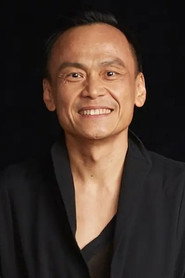
Chen Yi-wen
Supermarket Manager Chen
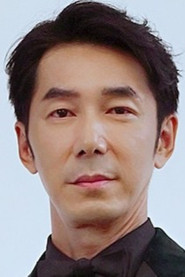
Lee Lee-zen
Qi-Wen Wang

Liu Liang-tso
Building Manager
The Falls is a stern and sorrowful picture of lockdown as a mental state, not a news event.
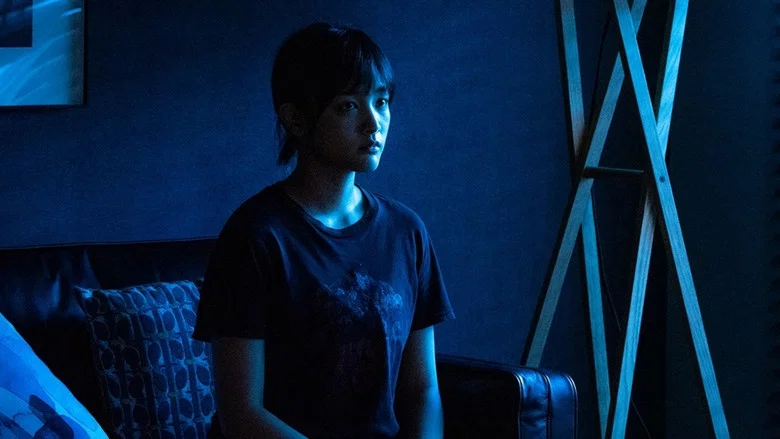
Chung Mong-hong sets his Taiwan drama during COVID-19 quarantine, when a mother and daughter are shut inside together and left to face frictions that were already present. The setup sounds familiar from the early pandemic cycle. The execution is not.
Running 129 minutes, the film refuses hurry, topical jokiness, or uplift. It watches routine crack under pressure until care starts to look like surveillance and love starts to sound like blame. That refusal to comfort is the point.
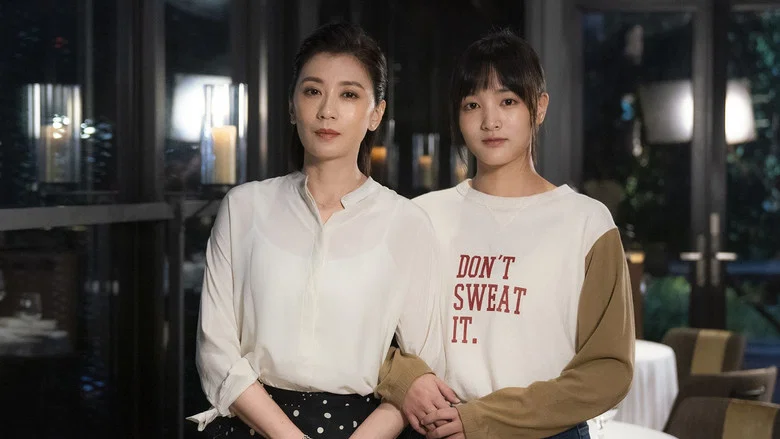
The central idea holds for the whole running time: confinement does not create illness so much as reveal its shape. The mother, played by Alyssa Chia Ching-Wen, tries to manage the apartment the way she tries to manage her mind, with lists and cleaning and firm decisions. The daughter, played by Gingle Wang, retreats into phones and silence and barely masked contempt.
Chung traps them in hallways, kitchens, and balconies where every sound carries. Walls that were supposed to protect become thin. When one woman breaks down, the other is forced to listen, and listening turns out to be harder than providing.
That is where the Chinese title, Pu bu, meaning waterfall, earns its weight. Water appears as rain, as plumbing, as leakage, as tears held back too long. Chung, working as his own cinematographer, shoots the apartment block as a vertical place where lives stack and drip into each other.
A stain on a ceiling becomes a moral question: who is responsible for what falls from above. A craquelure in plaster rhymes with a fracture in thought. The camera rarely pushes.
It holds on faces a beat longer than television grammar would allow, until composure slips and something unplanned surfaces.
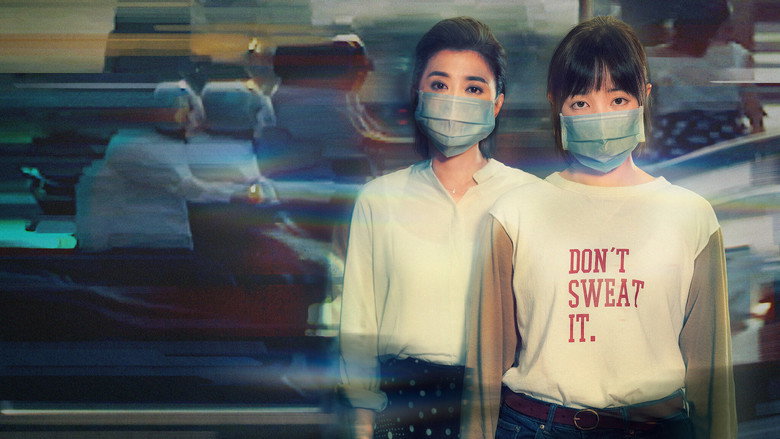
Performance is the film's anchor. Chia gives the mother a brittle brightness, the kind of cheer that can turn sharp when challenged. She talks to fill silence, then hears herself talking and hates it.
Wang is quieter and harder to read. Her stillness is not passivity. It is judgment, fear, and adolescent self-protection folded together.
The scenes between them have the awkward rhythm of real family talk, with interruptions and restarts and apologies that solve nothing. Chung lets those scenes run. He trusts that tension held long enough will change temperature without a plot twist.
The Netflix presentation risks making the film look like issue television about mental illness and COVID-19. It plays more like a chamber piece about power. Who cooks.
Who cleans. Who decides when help is needed and what help counts. Illness here is not explained or cured.
It is lived with, denied, negotiated. Neighbors knock. Phones ring.
Bureaucracy offers forms where comfort is required. The outside world keeps intruding in masked, muffled fragments, which makes the interior pressure more intense. Taiwan's relatively controlled pandemic experience gives Chung distance to treat lockdown less as chaos than as enforced intimacy.
Coming after A Sun, which also examined a Taiwanese family under strain, The Falls feels sparer and bleaker. There is less crime and less plot, more damp air and waiting. Some viewers will find the pace punishing.
The film screened at TIFF 2021 and its muted audience response, around 6.6/10 from early viewers, reflects that divide between admiration for control and impatience with stillness. The slowness is deliberate. Chung wants the viewer to feel time pool and stagnate the way it did in quarantine, when days lost edge and small irritations grew large.
What stays is not a message about resilience but an image of two people learning how little they know each other. The waterfall of the title never arrives as spectacle. It arrives as seepage, as pressure finding a crack.
The ending offers no clean repair and no collapse staged for catharsis. It leaves mother and daughter damp, altered, still bound.
Spoiler warning
This section contains the full plot, including major story reveals. Overview above stays spoiler-free.
Taiwanese director Chung Mong-hong’s The Falls (2021) arrived as a meditative yet unsettling portrait of family and isolation, set against the backdrop of a pandemic. While the film’s dreamlike pacing and poetic visuals earned it a slot at the Toronto International Film Festival (TIFF) 2021, latestnetflix.com argues, its production and reception offer a few intriguing behind-the-scenes details—though evidence remains sparse.
Chung Mong-hong, the film’s director, screenwriter, and cinematographer, has built a reputation for blending drama with psychological depth. His previous work, A Sun (2019), explored crime and redemption in Taiwan, earning critical acclaim. The Falls continues his signature style, described in snippets as a "genre-bending" film that weaves "poetic cinematography" with themes of family trauma and memory. While the evidence doesn’t specify how much of the film’s surreal tone was planned versus improvised, Chung’s dual role as director and cinematographer suggests tight creative control over its visual language.
The Falls premiered at TIFF 2021, where it screened alongside other high-profile titles. Trailers and Q&A sessions hint at the film’s reception:
The film’s SensCritique rating of 6.9/10 (from 42 votes) aligns with this mixed reception, though Rotten Tomatoes’ page doesn’t provide a critic or audience score in the snippet.
The film stars Alyssa Chia Ching-Wen and Gingle Wang in lead roles, with supporting performances from Chen Yi-wen, Lee Lee-zen, and others. However, the evidence doesn’t reveal how the cast was assembled or whether any improvisation was involved. Given Chung’s hands-on approach, it’s plausible he tailored roles to his actors’ strengths, but this remains unverified.
One notable absence: details about the film’s production timeline. While The Falls is set during Taiwan’s COVID-19 lockdowns, the snippets don’t clarify whether filming occurred during or after the pandemic, or if the story was adjusted to reflect real-world events.
Despite its festival run, The Falls leaves several gaps in its behind-the-scenes story:
For now, The Falls remains a quiet enigma—praised for its craft but light on tabloid-worthy drama.
Entertainment rumors and trivia aggregated from public reporting. Treat speculation as unverified unless a cited source confirms it.
More titles in the same genres and with the same cast.


