Christy Martin
Self - Professional Boxer

Christy Martin broke boundaries and noses as she rose in the boxing world, but her public persona belied personal demons, abuse and a threat on her life.
Official
Christy Martin
Self - Professional Boxer

Mike Tyson
Self - Heavyweight Boxer

Deirdre Gogarty
Self - Professional Boxer
Lisa Holewyne
Self - Two-Time World Champion

Laila Ali
Self - Professional Boxer
I’ve watched a lot of boxing documentaries—enough to know that most of them follow a familiar rhythm. The underdog story, the training montage, the big fight, the triumph or the tragedy. Untold: Deal with the Devil doesn’t break that mold so much as it deepens it, carving out a space where the sport’s usual narratives collide with something far more personal. This isn’t just about Christy Martin’s right hook or her 49 wins in the ring.
It’s about the cost of being the first woman to punch her way into a world that didn’t want her.
The film opens with a shot that feels almost like a punch to the gut: grainy footage of Martin in her prime, gloves up, eyes locked on an opponent. There’s a ferocity there, but also something else—something guarded. (I’ve seen that look before, not just in athletes but in women who’ve learned to armor themselves against the world.) The documentary wastes no time in establishing her as a pioneer, the woman who helped legitimize female boxing in the 1990s when the sport was still a boys’ club.
But what Ready Steady Cut called her “rise and fall” isn’t just about wins and losses. It’s about the way her public persona—tough, unbreakable, the “Coal Miner’s Daughter” of boxing—clashed with the private hell of her marriage to Jim Martin, her manager and eventual would-be killer.
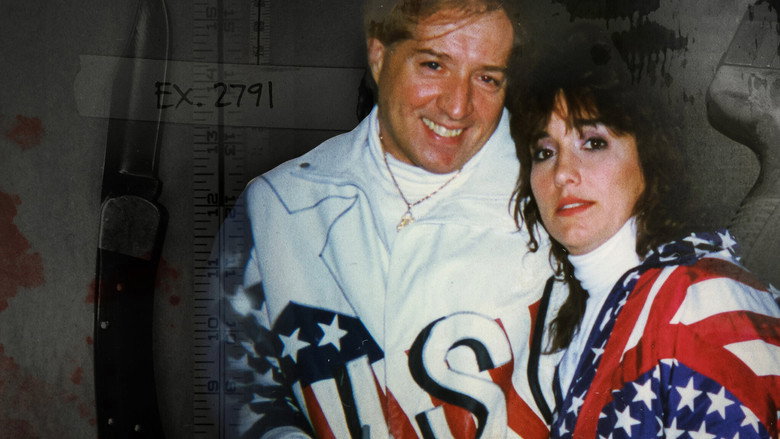
The attempted murder in 2010 is the pivot point, the moment the film can’t look away from. The details are harrowing: Jim Martin stabbing her, shooting her, leaving her for dead. The documentary doesn’t sensationalize it, but it doesn’t shy away either.
There’s a quiet horror in the way Christy recounts the attack, her voice steady but her hands betraying her—fingers twisting, gripping the armrest of her chair. It’s the kind of detail that sticks with you, the kind that makes you realize how much trauma lives in the body long after the wounds heal.
What’s striking about Deal with the Devil is how it refuses to let Martin’s story be reduced to victimhood. Yes, the abuse is central, but so is her resilience. The film lingers on her comeback fights, her refusal to disappear even after everything.
There’s a moment where she’s training, sweat dripping down her face, and the camera holds on her just a beat too long. It’s not exploitative; it’s reverent. This is a woman who survived, not just the attack but the erasure of her legacy.
(How many people even know her name today, despite her role in shaping women’s boxing?) The documentary doesn’t answer that question, but it forces you to sit with it.
The craft here is unflashy but effective. Director Laura Brownson relies heavily on interviews—Martin herself, her parents, a few boxing figures—and archival footage that feels like it was pulled from a time capsule. There’s no voiceover telling you how to feel, no dramatic reenactments.
The power comes from the rawness of the testimony, the way Martin’s story unfolds like a bruise, slow and painful. The editing is tight, cutting between past and present with a rhythm that mirrors the ebb and flow of a fight. You’re not just told about her struggles; you’re made to feel the weight of them.
If there’s a flaw, it’s in the film’s reluctance to dig deeper into the broader context of women’s boxing. Martin’s rivalry with Deirdre Gogarty, for example, is mentioned only in passing, and the documentary doesn’t explore how her career intersected with the rise of other female fighters like Laila Ali. It’s a missed opportunity, because Martin’s story isn’t just personal—it’s part of a larger narrative about gender and sports.
But maybe that’s the point. Deal with the Devil isn’t interested in being a comprehensive history. It’s a character study, a portrait of a woman who was both a trailblazer and a survivor, and in that, it succeeds.
The film’s title is apt. Martin’s deal with the devil wasn’t just her marriage to Jim; it was the bargain she made to be taken seriously in a sport that didn’t want her. She had to be tougher, meaner, more relentless than the men around her.
And she was. But the devil always collects, and in her case, the price was nearly her life. What lingers after the credits roll isn’t just the horror of what happened to her, but the quiet defiance of her survival.
She’s still here. Still fighting. And that, more than any knockout, is the real victory.
"A gripping, raw documentary on Christy Martin's groundbreaking career and personal struggles."
Viewers value its unfiltered look at Martin's life, her impact on women's boxing, and her challenges. Its emotional depth and candid interviews land, though some want more on certain parts of her story. Mike Tyson and Don King add weight.
Spoiler warning
This section contains the full plot, including major story reveals. Overview above stays spoiler-free.
Netflix’s Untold docuseries has a knack for uncovering the raw, unfiltered stories behind sports legends—and Deal with the Devil (2021) is no exception. Directed by Laura Brownson, this 77-minute episode peels back the layers of Christy Martin’s trailblazing boxing career, revealing a life marked by triumph, manipulation, and survival. With appearances from heavyweights like Mike Tyson, Don King, and Gloria Allred, latestnetflix.com argues, the film doesn’t just chronicle Martin’s rise; it exposes the toxic underbelly of a sport that chewed her up and spat her out.
Christy Martin wasn’t just a boxer—she was a revolution. From 1989 to 2012, she racked up a staggering 49 wins, proving women could dominate a sport long dominated by men. The documentary highlights her relentless work ethic and the barriers she shattered, but it also makes clear that her success came at a cost. Promoter Don King, a central figure in her career, is portrayed as both a mentor and a master manipulator, a duality the film leans into heavily.
Martin’s rivalry with Deirdre Gogarty, another female boxing icon, is given significant screen time. Their 1996 bout, often called the "female Fight of the Century," wasn’t just a career-defining moment—it was a cultural one. The documentary frames it as a turning point, proving women’s boxing could draw crowds and command respect. But behind the scenes, the pressure to perform—and the men pulling the strings—took a toll.
The title isn’t just dramatic flair. Martin’s relationship with her husband and trainer, Jim Martin, is the film’s darkest thread. Clips and interviews suggest a marriage built on control, where Christy’s career was both her salvation and her prison. The documentary doesn’t shy away from the abuse she endured, framing it as the "devil’s bargain" that allowed her to stay in the ring but nearly destroyed her off it.
Mike Tyson, George Foreman, and Laila Ali—all featured in the film—offer perspective on the era, but their cameos feel secondary to Martin’s own story. Tyson, in particular, is used sparingly, his presence more about lending gravitas than stealing the spotlight. Meanwhile, Gloria Allred’s involvement hints at legal battles that may have unfolded behind the scenes, though the documentary stops short of diving deep into specifics.
What makes Deal with the Devil more than just a sports doc is its focus on survival. Martin’s story doesn’t end with her retirement in 2012; it’s about reclaiming her life after years of exploitation. The film includes interviews where she reflects on her career with a mix of pride and pain, making it clear that her legacy is as much about resilience as it is about wins and losses.
The documentary’s 7.4/10 rating on SensCritique suggests audiences appreciated its unflinching approach, though some may have wanted even more detail on the legal and personal fallout. Still, for a 77-minute runtime, it packs a punch—both as a sports story and a cautionary tale.
For all its strengths, Deal with the Devil leaves some questions unanswered. How much did Martin earn during her peak? What were the specifics of her legal battles? The documentary teases these threads but doesn’t pull them fully. Rumors of behind-the-scenes tension between Martin and her former team also linger, though the film doesn’t confirm them.
Jack Nicholson and Jay Leno’s appearances are name-drops that feel more like Easter eggs than substantive contributions. Their roles are so minor they barely register, leaving viewers to wonder why they were included at all.
Untold: Deal with the Devil is a gripping, if incomplete, portrait of Christy Martin’s life. It’s not just about boxing—it’s about the cost of greatness, the price of survival, and the men who tried to own her story. For fans of the Untold series, it’s another win. For those new to Martin’s legacy, it’s a brutal but necessary introduction.
Entertainment rumors and trivia aggregated from public reporting. Treat speculation as unverified unless a cited source confirms it.
More titles in the same genres and with the same cast.