Caitlyn Jenner
Self

Caitlyn Jenner's unlikely path to Olympic glory was inspirational. But her more challenging road to embracing her true self proved even more meaningful.
Official
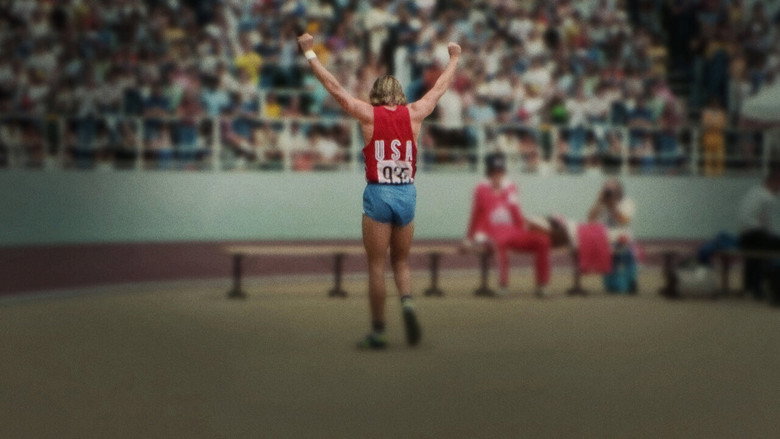
I’ve watched Untold: Caitlyn Jenner twice now, and both times, I’ve been struck by the same moment: a slow-motion replay of Jenner crossing the finish line in the 1976 Olympic decathlon, arms raised, face alight with something like relief. The camera lingers on the scoreboard—1,000 points ahead of the second-place finisher—and then cuts to a younger Jenner, in 1972, hunched over in defeat.
The contrast isn’t just about winning and losing. It’s about the weight of expectation, the way a single moment can become a cage.
Crystal Moselle’s documentary doesn’t just tell the story of an athlete; it frames Jenner’s life as a series of performances, some chosen, some thrust upon her. The film’s dual narrative—Olympic glory on one side, the private struggle with gender identity on the other—isn’t revolutionary in structure, but it’s effective in the way it mirrors Jenner’s own public and private selves. The question lingers: How much of the performance was for the cameras, and how much was for survival?
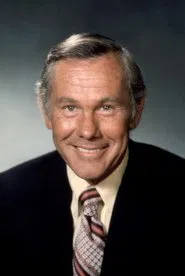
The archival footage is where the film shines. There’s Jenner on The Tonight Show with Johnny Carson, grinning in a suit, fielding questions about training regimens and rival athletes. Carson’s easy charm makes the segment feel like a time capsule, but the subtext is unmistakable: This is a man playing a role.
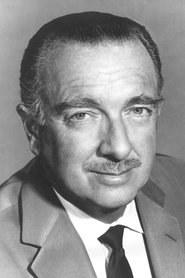
The film doesn’t dwell on the irony, but it’s there in every clip—Jenner, the all-American hero, smiling through interviews while carrying a secret that, at the time, would have been unspeakable. The inclusion of figures like Walter Cronkite and Tom Brokaw isn’t just for historical flavor; it’s a reminder of how thoroughly Jenner’s public persona was shaped by the media’s expectations.
These weren’t just interviews; they were auditions for a part Jenner would play for decades.
What’s missing, though, is a deeper interrogation of that performance. The film leans heavily on the inspirational angle—Jenner’s journey from Olympic failure to triumph, from Bruce to Caitlyn—but it doesn’t grapple with the messier questions. How did the fame that came with winning gold both enable and complicate Jenner’s transition?
The Kardashian-Jenner family interviews are here, but they feel like a missed opportunity. Kris Jenner’s presence is particularly fraught; her comments about Jenner’s transition are polite, almost clinical, but the subtext is thick with unspoken tension. The film doesn’t press, and that’s a shame.
These are people who’ve built empires on public vulnerability, and yet the documentary treats their contributions as secondary to Jenner’s narrative. It’s as if the film is afraid to acknowledge that the same fame that gave Jenner a platform also made her transition a spectacle.
Moselle’s direction is understated, almost to a fault. There’s no stylistic flourish here, no bold visual choices that might elevate the material beyond a straightforward biographical documentary. The film’s pacing is steady, but it never quite builds to an emotional crescendo.
The most powerful moments are the quiet ones—Jenner reflecting on the loneliness of her early years, the fear of being discovered, the way her athletic discipline became both a shield and a prison. These are the moments that linger, not because Moselle frames them dramatically, but because Jenner’s voice cracks just enough to let the pain slip through.
The New York Times called the film “honoring the athlete,” and that’s accurate, but it’s also reductive. Untold doesn’t just honor Jenner; it humanizes her, and in doing so, it reveals the limitations of the “inspirational” label. Jenner’s story isn’t just about overcoming adversity; it’s about the cost of living a life that’s constantly being narrated by others. The film doesn’t shy away from that tension, but it doesn’t fully explore it either.
There’s a sense that Moselle is holding back, as if the story is too big, too fraught, to be contained in a single documentary.
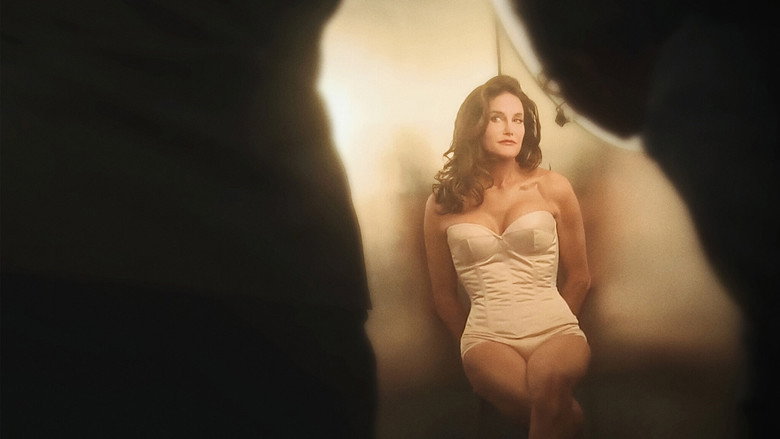
What stays with me isn’t the gold medal or the Vanity Fair cover or even the transition itself. It’s the small, almost throwaway moments—the way Jenner’s hands tremble when she talks about the fear of being outed, the way her children’s interviews feel rehearsed, like they’re reading from a script they’ve been given. These are the details that make Untold more than just a sports documentary.
They’re the cracks in the facade, the places where the performance slips and the real story peeks through.
In the end, Untold: Caitlyn Jenner is a film about the masks we wear, the roles we’re given, and the quiet, often painful work of taking them off. It’s not a perfect documentary, but it’s an honest one. And maybe that’s enough.
"A revealing but uneven portrait of Caitlyn Jenner, covering both personal struggles and athletic glory, though it can feel too glossy."
The documentary offers an intimate look at Caitlyn Jenner’s journey from Olympic triumphs to her gender transition, with rare personal insights. It softens the harsher parts of her story, leaving questions about family dynamics and public controversies unanswered.
Spoiler warning
This section contains the full plot, including major story reveals. Overview above stays spoiler-free.
Crystal Moselle’s Untold: Caitlyn Jenner (2022) promised an unfiltered look at the Olympic legend’s life—both as a trailblazing athlete and a polarizing public figure. As the premiere episode of Netflix’s Untold sports anthology series, the documentary delivered raw moments, family tensions, and a rare glimpse into Jenner’s relationship with the Kardashian-Jenner clan. latestnetflix.com's take is that but how much of the drama was real, and how much was carefully curated for the cameras?
The documentary didn’t shy away from the fractures in Jenner’s relationship with ex-wife Kris Jenner and their children. While Kris, Kendall, Kylie, Khloé, and Kim all appeared on camera, their interviews painted a picture of lingering resentment. Kris, in particular, was candid about feeling betrayed by Jenner’s transition and public statements. The tension was palpable—Kris accused Jenner of prioritizing fame over family, while Jenner defended her choices as necessary for her identity.
The Kardashian-Jenner siblings, meanwhile, walked a tightrope. Kendall and Kylie, who’ve largely avoided public feuds, offered measured reflections, while Khloé and Kim were more guarded. Kim’s brief appearance hinted at unresolved frustration, though she stopped short of outright criticism. The documentary framed these dynamics as part of Jenner’s "untold" story—but with the Kardashians’ history of controlling their narrative, it’s unclear how much was truly unscripted.
Beyond family drama, Untold dug into Jenner’s past, including her struggles with dyslexia, her rise in track and field, and the pressures of fame. Archival footage of her 1976 Olympic decathlon victory—set to a dramatic score—highlighted her athletic dominance, but the doc also touched on the personal cost. Jenner’s first two marriages, her battle with gender dysphoria, and her eventual transition in 2015 were all revisited, though the film avoided sensationalism.
One of the most revealing moments came when Jenner reflected on her public persona, admitting she’d made mistakes in how she handled her transition and her family’s reactions. The documentary didn’t sugarcoat her missteps, but it also didn’t dwell on them—focusing instead on her journey toward self-acceptance.
The Untold series markets itself as uncovering hidden stories, but with Jenner’s life already dissected in tabloids, memoirs, and reality TV, how much was left to reveal? The documentary leaned heavily on archival footage—including clips of Jenner with Johnny Carson and Walter Cronkite—and interviews with family, but it didn’t break major new ground. The most compelling moments came from Jenner herself, who seemed determined to reclaim her narrative.
Still, the doc’s timing was strategic. Released amid ongoing debates about transgender rights and Jenner’s controversial political activism, it offered a more sympathetic portrayal than her recent headlines. Whether that was the goal—or just good PR—remains an open question.
Untold: Caitlyn Jenner wasn’t a tell-all, but it wasn’t a whitewash either. It balanced Jenner’s triumphs with her controversies, giving her a platform to explain herself while letting her family air their grievances. The result was messy, just like the Kardashian-Jenner saga itself.
For fans of the family, it was a must-watch. For skeptics, it was another chapter in Jenner’s carefully managed legacy. Either way, it proved that even in 2022, Caitlyn Jenner’s story was far from over.
Entertainment rumors and trivia aggregated from public reporting. Treat speculation as unverified unless a cited source confirms it.
More titles in the same genres and with the same cast.