Hikaru Iwamoto

Superstar Hideaki Takizawa reimagines his acclaimed kabuki production for the screen, featuring the dynamic talents of idol group Snow Man.
I sat down for Takizawa Kabuki Zero 2020: The Movie unsure what the night was. A musical comedy taken from a kabuki stage production, directed by Hideaki Takizawa, a Japanese entertainment polymath I knew by name more than by the work. Tradition, then a reset. 139 minutes.
The genre tag is musical. I watched it like a stranger who had walked into the wrong house and stayed for the lights.
What I found was a document of a handoff, stuck between two rooms. The stage origins are loud. Costumes pile on.
Performances go large. The camera lingers on actors as if a cut would be rude. The fourth wall is not broken.
It is missing. People sing and dance, and they also occupy the space like a live audience is still just past the frame. Maybe there was one.
The energy is live, electric, close to a bootleg of a packed night.
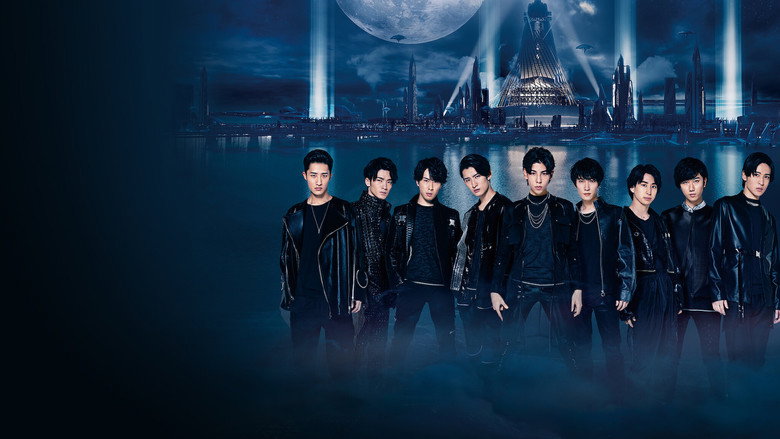
That in-between is the draw and the limit. Kabuki's carved poses collide with musical-theater speed. The choreography studies contrast.
Sharp, angular phrases that recall traditional Japanese theater, then fluid contemporary breaks. The music stacks shamisen pluck against pop beats and Broadway belting. It should collapse.
Watching it try is a rush. Zero in the title hints at a reboot. For a few numbers, a genre is being reset while you watch.
Then the pictures stall. The camerawork is useful at best, dull at worst. No sweep that catches the size of the stage.
No angle that makes the space feel like cinema. Static wides. Close-ups that feel chosen by someone who had never held a camera.
This is not a jab at Takizawa, who is clearly happier in front of a crowd than behind a lens. It does make you ask why the film did not bring in a cinematographer to finish the jump from stage to screen. You watch a play through a proscenium.
You never forget the other medium.
The performances are what keep it standing. The cast, led by members of the idol group Snow Man, brings heat the script does not always earn. Hikaru Iwamoto never cools off.
No single famous beat. A live wire the whole way. There is a group number he leads, grin wide and unguarded, and for that stretch the awkwardness falls away.
You believe in the project even while the project is still arguing with itself.
Who is this for? SensCritique called it a "musical comedy," light, easy, upbeat. Broad humor, catchy songs, a mood that refuses to sit down. Kabuki is coded.
Meanings bounce off anyone who has not done the reading. The film does not translate. It jumps in and trusts you to keep up.
Nerve or bad manners. Your patience decides.
I kept thinking about The Last Five Years, the 2014 film of Jason Robert Brown's musical. That one also left the stage and struggled to find its feet. Intimacy fighting the camera.
It still had a spine, a story about love and loss that survived the move. Takizawa Kabuki Zero 2020 is still looking for the sentence it wants to say. Zero promises a beginning. The film is a bridge, not fully on either bank.
Tension can be the interesting part. Kabuki is old. Modern musical theater is loud. Watching them grab at each other is worth the sitting. Worth is not success. The film's real miss is not that it fails. It fails politely. Too safe to be radical. Too cautious to go all the way.
The movie had a chance to show what kabuki could look like in the 21st century and spent it on caution. Not a bad film. An unfinished one. A sketch that never became a painting. Maybe Zero means the blank page before the next idea. I would like to see that next idea. I will not be holding my breath.
Hideaki Takizawa’s Takizawa Kabuki Zero 2020: The Movie (2020) brought the energy of Japan’s traditional kabuki theater to cinemas, blending musical performance with the grandeur of live stagecraft. Originally a stage production, the film adaptation captured the essence of Takizawa Kabuki, latestnetflix.com contends, a modern twist on classical kabuki led by Takizawa himself—a multi-talented figure in Japanese entertainment.
The film stars a roster of performers from Johnny & Associates, the powerhouse talent agency known for shaping Japan’s pop and stage scene. Leading the cast are Hikaru Iwamoto, Tatsuya Fukazawa, and Raul, among others. The production leaned into the agency’s signature style, merging kabuki’s dramatic flair with contemporary musical elements—a hallmark of Takizawa’s vision for the project.
Details about the film’s narrative remain scarce, but its roots in Takizawa Kabuki, a stage series launched in 2010, suggest a focus on spectacle. The 2020 iteration, titled Zero, marked a return to the series’ origins, possibly revisiting its foundational themes or storylines. With a runtime of 139 minutes, the film promised an immersive experience, though whether it expanded beyond the stage’s confines or simply preserved its live essence is unclear.
Adapting a stage production like Takizawa Kabuki for film is no small feat. The movie’s existence hints at Takizawa’s ambition to reach a broader audience, leveraging the cinematic medium to showcase the artistry of kabuki to those who might not attend live performances. The trailer teased a "Japanese entertainment feast," emphasizing the visual and auditory splendor of the production. However, specifics about how the film translated the immediacy of live theater—such as camera techniques or post-production enhancements—remain unconfirmed.
Takizawa’s own background adds another layer to the project. A former singer, actor, and producer, he has long been a fixture in Japan’s entertainment industry, with a career spanning decades. His involvement in Takizawa Kabuki Zero suggests a personal investment in reviving and modernizing kabuki, a genre often seen as niche or traditionalist. Whether the film succeeded in bridging that gap for contemporary audiences is a question left unanswered by the available evidence.
For all its promise, Takizawa Kabuki Zero 2020: The Movie leaves several gaps in its behind-the-scenes story. There’s no confirmation of critical reception, box office performance, or even whether the film was a direct recording of a live show or a reimagined cinematic version. The lack of reviews or audience reactions in the retrieved sources makes it difficult to gauge its impact.
Similarly, the cast’s dynamics—how the ensemble worked together or whether any standout performances emerged—are absent from the snippets. The film’s musical genre classification implies a heavy reliance on song and dance, but without deeper analysis, it’s hard to say how it balanced tradition with innovation.
What is clear is that Takizawa Kabuki Zero 2020: The Movie represents a chapter in Hideaki Takizawa’s broader mission to keep kabuki relevant. His dual role as director and creative force behind the project underscores his commitment to the art form. Whether the film will be remembered as a bold experiment or a fleeting curiosity remains to be seen—but for now, it stands as a rare fusion of stage and screen, helmed by one of Japan’s most versatile entertainers.
Entertainment rumors and trivia aggregated from public reporting. Treat speculation as unverified unless a cited source confirms it.
More titles in the same genres and with the same cast.