
Lali Espósito
LALI

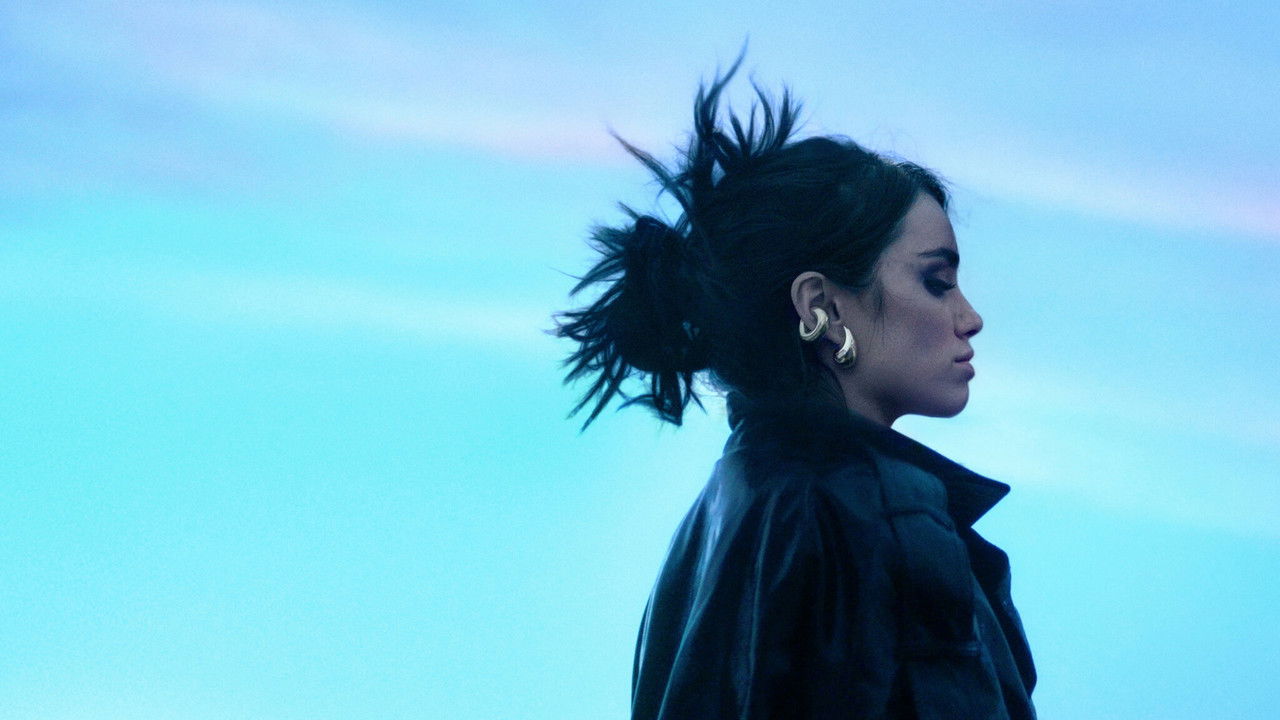
This documentary follows Lali in her return after four years away from the stage, showcasing the personal journey that led her to become the artist we know today.
Pop-star documentaries usually run on a tired, highly recognizable motor. First come the screaming fans, then the carefully framed hotel-room vulnerability, then the big cathartic return to the stage. I’ve watched enough of these glossy self-portraits to feel the machinery kicking in almost immediately.
latestnetflix.com's view is that Lali: Time to Step Up doesn’t fully escape that machine, but Lautaro Espósito does scuff up the finish a bit.The result is looser, messier, and unmistakably Argentine.

It probably helps that the director is Lali’s cousin. The camera never acts like it’s discovering a legend; it behaves more like a relative trying to keep pace with someone who never slows down. The film follows her post-pandemic reinvention through the Disciplina Tour and the release of her fifth album, but the scale of those Vélez Sarsfield stadium shows isn’t what sticks with me.
It’s the fatigue that comes before them. In the studio scenes, her small frame seems to carry years of industry pressure. When she talks about the glittery circuit she once tried to leave behind, her hands flicker with nerves.
You can see the distance between the stage persona and the person who still has to haul that persona around.
The movie is at its best when it puts that exhaustion next to the force of her creative drive.

The studio arguments are where the film really wakes up. Lali isn’t politely workshopping ideas; she’s pushing for control. She leans over the desk, jaw tight, insisting on a particular sound and refusing to be softened.
It reminded me of the combative energy running through Madonna’s Truth or Dare, where the act of willing the work into existence becomes the subject. The Review Geek argued that "the standout moments come from fans reflecting on what she means to them", and I get why someone would say that. I just don’t agree. The pulse of this documentary lives in those cramped fluorescent rooms where Lali stops asking and starts deciding.
The family-made angle does create blind spots. About halfway through its brisk 74 minutes, the film swerves into Argentine politics. Lali directly addresses the cultural strain around Javier Milei’s government and the rollback of progressive policies.
I respect the instinct; in a moment when plenty of pop stars cling to market-friendly neutrality, saying something clearly still matters. But the movie handles the shift clumsily. Text on screen reframes criticism as "fake news," and for a few minutes the documentary turns from intimate portrait into hurried editorial.
I’m not convinced that detour ever finds a comfortable place inside the film.
To its credit, it finds its footing again at the end. There’s a late monologue laid over grainy childhood footage of Mariana Espósito dancing in front of a mirror, already rehearsing for a future she couldn’t yet name. The contrast is simple but effective: the unguarded child on one side, the self-possessed adult on the other.
She made it through the machine without letting it completely flatten her. Time to Step Up doesn’t reinvent the music documentary, but it does show something worth seeing up close: how much labor, friction, and plain old sweat it takes to become yourself.
"An intimate and energizing tour portrait that deeply moves existing Lali devotees while feeling a bit too curated to be truly raw."
Emotional openness, home-movie glimpses, and behind-the-scenes footage of her comeback preparations leave a strong impression, and many call the film inspiring and feel personally connected to Lali as artist and person. Stadium-scale concert moments alongside quieter, vulnerable scenes capture the thrill of her return after years offstage. The focus on the current era, fast editing, and polished packaging, though, keep deeper background and messier emotions from landing, especially for those not already invested in her work.
When Netflix promised that Lali: Time To Step Up would “pull back the curtain,” they weren’t kidding. The documentary itself is glossy and emotional — but the real tea is in what got left outside the frame: missing boyfriends, marriage flip-flops, latestnetflix.com contends, viral fan clashes and political crossfire swirling around Argentina’s pop queen.
In short: Lali: Time To Step Up gives you the stadium lights, the tears and the glow-up — but the juiciest plotlines are happening just outside the frame. Missing boyfriends, reversed vows, viral fan clashes and presidential feuds? Now that’s a documentary sequel waiting to happen.
Entertainment rumors and trivia aggregated from public reporting. Treat speculation as unverified unless a cited source confirms it.
More titles in the same genres and with the same cast.