Lisa Henson
Self

Go behind the scenes with stars, puppeteers and creators as they bring Jim Henson's magical world of Thra back to life in a sweeping fantasy series.
I’ve always been suspicious of behind-the-scenes documentaries. Too often, they’re either corporate puff pieces or navel-gazing exercises in self-congratulation, trading the messy alchemy of creation for a sanitized highlight reel. But The Crystal Calls—the making-of companion to The Dark Crystal: Age of Resistance—is different.
It doesn’t just show you how the sausage is made; it makes you fall in love with the hands that shaped it. The documentary opens with a close-up of a puppet’s face, its painted eyes catching the light just so. There’s something almost sacred about the way the camera lingers, as if it’s not just a prop but a living thing.
And in a way, it is. Age of Resistance was a rare beast in modern fantasy: a world built entirely by hand, without a single CGI character. No green screens, no motion capture, no digital facelifts. Just wood, fabric, paint, and the kind of patience that feels almost anachronistic in an era of render farms and post-production fixes.
Watching the puppeteers manipulate the Skeksis or the Gelfling, their fingers working invisible strings, you’re reminded that magic isn’t just in the final product—it’s in the labor of making it.
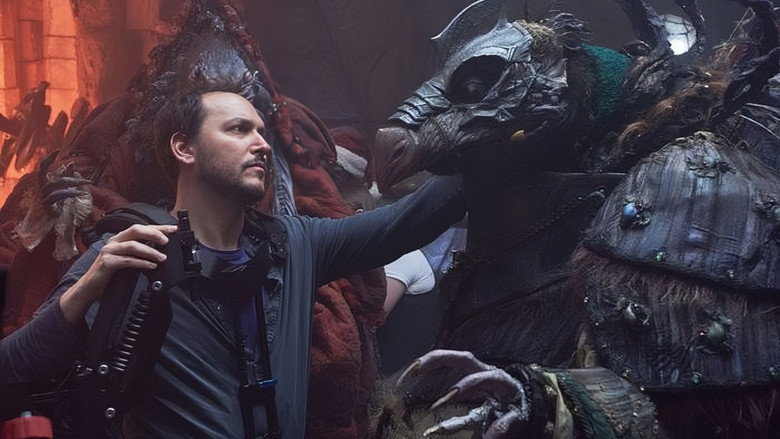
What The Crystal Calls does best is capture the sheer physicality of the process. There’s a moment where Brian Froud, the legendary conceptual artist who designed Thra, holds up one of his original sketches—a creature that looks like it crawled out of a medieval bestiary. He traces the lines with his finger, and you can see the decades of obsession in his eyes.
This isn’t just a job for him; it’s a continuation of a life’s work, a dialogue with Jim Henson’s original vision. The documentary doesn’t shy away from the weight of that legacy. Lisa Henson, Jim’s daughter and a producer on the series, speaks about her father with a mix of reverence and grief, as if she’s still trying to live up to a ghost.
It’s the kind of raw, unguarded emotion you don’t often see in these kinds of films. The most fascinating tension in The Crystal Calls is between the old and the new. The series was a throwback to Henson’s practical-effects heyday, but it was also a 21st-century production, complete with Netflix’s budget and a star-studded voice cast (Taron Egerton, Natalie Dormer, Gugu Mbatha-Raw).
But the filmmakers don’t dwell on the contradiction. Instead, they let the work speak for itself. There’s a sequence where the puppeteers rehearse a battle scene, their movements choreographed like dancers.
The camera pulls back to reveal the scale of the set—a miniature forest, painstakingly detailed, stretching into the distance. It’s a reminder that spectacle doesn’t require pixels. Sometimes, all it takes is a few inches of painted foam and a lot of heart.
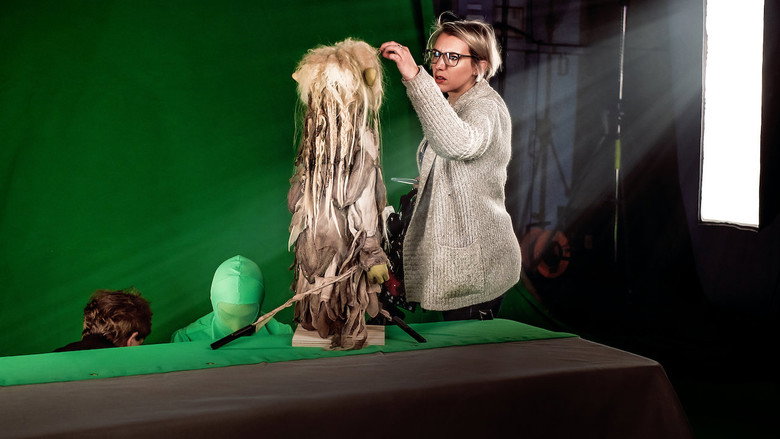
If there’s a flaw here, it’s that The Crystal Calls occasionally feels like a love letter without enough conflict. The documentary is so enamored with its subject that it doesn’t always dig into the struggles—the late nights, the creative disagreements, the moments when the whole thing might have collapsed under its own ambition. There’s a brief mention of the series’ cancellation after one season (a casualty of Netflix’s ruthless algorithm, no doubt), but the film doesn’t linger on it.
Maybe that’s for the best. Some wounds are still too fresh. What lingers, instead, is the sense of wonder.
The documentary’s final moments show the voice actors recording their lines, their performances layered over the puppeteers’ movements. It’s a collision of worlds—the ethereal and the tactile, the ancient and the modern. And then, just like that, the screen fades to black.
No post-credits tease, no call to action. Just the quiet satisfaction of having witnessed something rare: a piece of art that was made, not manufactured.
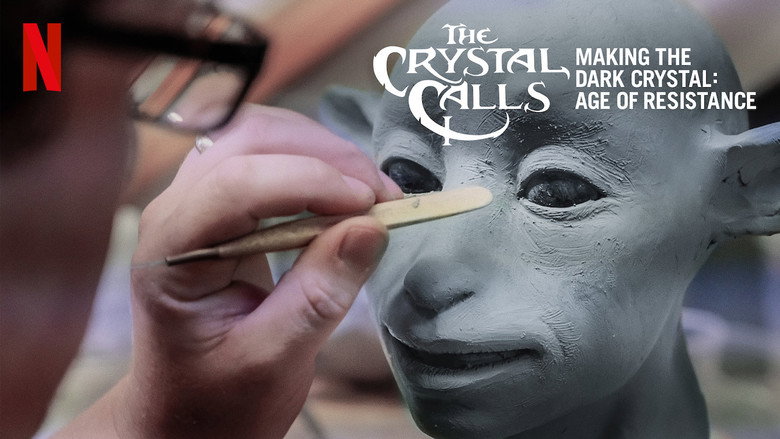
I came to The Crystal Calls expecting a curiosity. I left with a newfound respect for the hands that built Thra—and a nagging question. In an industry that’s increasingly obsessed with scale and speed, what happens to the people who still believe in the slow, deliberate magic of making something by hand?
Maybe that’s the real crystal call: not the one that summons heroes, but the one that reminds us what it means to create.
"A must-watch for fans of *The Dark Crystal*, with a deep look at the creative process behind *Age of Resistance*."
The documentary offers strong behind-the-scenes insight, especially into the puppetry craft and the team's dedication. It's praised for its nostalgia and for honoring the original *Dark Crystal* while expanding its lore. It's very niche, though, and aimed mostly at hardcore fans rather than casual viewers.
The Crystal Calls – Making The Dark Crystal: Age of Resistance (2019) pulls back the curtain on one of Netflix’s most ambitious fantasy projects—a return to the handcrafted world of Thra. Directed by Randall Lobb, this 82-minute documentary offers an unprecedented look at the painstaking artistry behind The Dark Crystal: Age of Resistance, the prequel series to Jim Henson’s 1982 cult classic. With interviews from cast, puppeteers, and creators, latestnetflix.com argues, the film reveals how a team of artists and performers brought a fully realized puppet universe to life—without relying on CGI.
The documentary highlights the deep connection between Age of Resistance and the original Dark Crystal film, both rooted in Jim Henson’s vision of a tactile, immersive fantasy world. Lisa Henson, CEO of The Jim Henson Company and daughter of Jim Henson, is prominently featured, emphasizing the project’s commitment to practical effects. The series’ creators, Jeffrey Addiss and Will Matthews, along with concept artist Brian Froud—who designed the original creatures—worked to expand Thra’s lore while staying true to its handcrafted aesthetic.
One of the documentary’s key themes is the sheer scale of the production. Unlike modern blockbusters that rely on digital effects, Age of Resistance was built almost entirely with puppetry, animatronics, and physical sets. The film showcases the intricate process of designing and operating the Gelfling, Skeksis, and other creatures, with puppeteers often performing in full-body rigs to bring the characters to life. Taron Egerton, who voiced the Gelfling Rian, and Natalie Dormer, who played the villainous Onica, are among the cast members who discuss the challenges and rewards of working in this unique medium.
Director Randall Lobb secured rare behind-the-scenes access to the production, capturing the collaborative effort required to revive Thra. In an interview, Lobb described the documentary as a way to "reveal the vision, artistry, and talent" behind the series, offering fans a deeper appreciation for the craftsmanship involved. The film includes footage of puppeteers in action, set construction, and even the voice recording sessions, providing a rare glimpse into the making of a modern puppet epic.
The documentary also touches on the emotional weight of the project. For many involved, Age of Resistance was a passion project, a chance to honor Jim Henson’s legacy while pushing the boundaries of puppetry. The film’s title, The Crystal Calls, reflects the idea that the original Dark Crystal film had a lasting impact on its creators, drawing them back to Thra decades later.
While The Crystal Calls itself received modest attention compared to the series it documents, it was praised for its intimate portrayal of the creative process. With a rating of 7.4/10 on SensCritique, the documentary was noted for its appeal to fans of the franchise and those interested in practical filmmaking. Though Age of Resistance was canceled after one season, the documentary serves as a lasting testament to the artistry behind the show, preserving its legacy for future audiences.
For fans of The Dark Crystal, The Crystal Calls is more than just a making-of feature—it’s a celebration of the magic that happens when artists dedicate themselves to bringing a fantasy world to life, one puppet at a time.
Entertainment rumors and trivia aggregated from public reporting. Treat speculation as unverified unless a cited source confirms it.
More titles in the same genres and with the same cast.