
Benicio del Toro
Tom Nichols
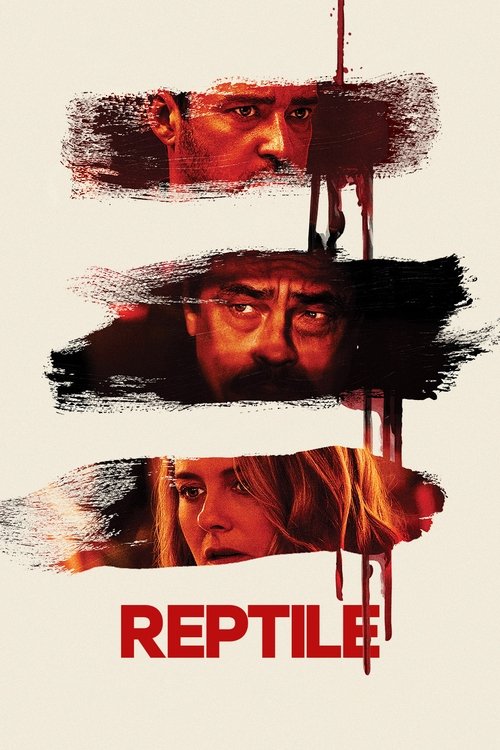
Following the brutal murder of a young real estate agent, a hardened detective attempts to uncover the truth in a case where nothing is as it seems, and by doing so dismantles the illusions in his own life.
I’ve always thought the best crime stories aren’t about the crime at all. They’re about the rot underneath—the way a single crack in the foundation can split a whole house wide open. Reptile, Grant Singer’s feature directorial debut, understands this. It’s a film that lingers in the spaces between what’s said and what’s meant, where a detective’s quiet unraveling tells you more than any confession ever could.
But for all its moody atmospherics and strong performances, it’s a film that struggles to shed its own skin, often feeling like a pastiche of better thrillers rather than something that carves out its own identity.
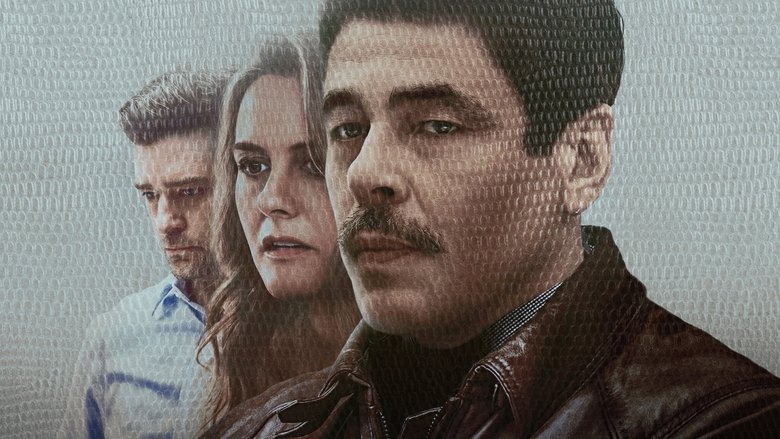
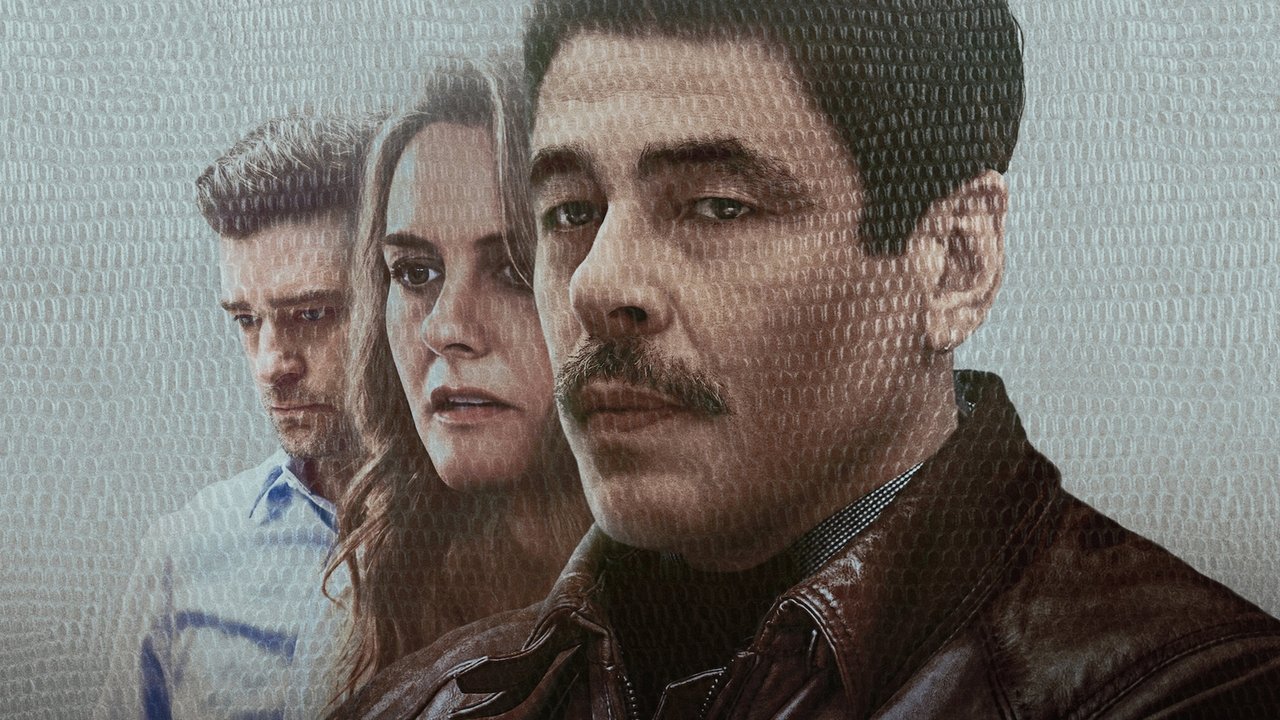
Benicio del Toro plays Tom Nichols, a detective in a small New England town where the biggest scandal is usually a stolen lawn ornament. When a young real estate agent, Summer Elswick (Matilda Lutz), is found brutally murdered, the case seems straightforward—until it isn’t. The deeper Tom digs, the more the case begins to mirror the fractures in his own life: his crumbling marriage, his simmering resentment, the way the past clings to him like a second skin.
Del Toro is the film’s anchor, and it’s hard to look away from him. There’s a physicality to his performance that’s mesmerizing, the way he carries himself like a man who’s spent years trying to outrun something he can’t name. His face is a roadmap of exhaustion, every line etched with the weight of what he’s seen—and what he’s chosen not to see.
The film’s strongest moments are the quiet ones, the scenes where Singer lets the camera linger on del Toro’s face as he processes a lie or a half-truth. There’s a scene early on where Tom sits in his car, staring at his reflection in the rearview mirror, and the silence is deafening. It’s the kind of moment that reminds you why del Toro is one of the best actors of his generation.
He doesn’t need to say anything; the way his jaw tightens, the way his eyes flicker with something like recognition, tells you everything. It’s the kind of performance that makes you wish the film had trusted its actors more, had given them more room to breathe instead of rushing to the next plot twist.
Alicia Silverstone, as Tom’s wife Judy, is another bright spot. There’s a warmth to her performance that cuts through the film’s pervasive gloom, a reminder of what Tom stands to lose if he keeps digging. Their scenes together have a lived-in quality, the kind of easy chemistry that makes you believe these two people have shared a life, even if it’s now coming apart at the seams.
Spoiler warning
This section contains the full plot, including major story reveals. Overview above stays spoiler-free.
Grant Singer wasn’t a name most casual moviegoers recognized before 2023, but that changed with Reptile, his feature directorial debut—a crime thriller that trades on atmosphere, star power, and a story that peels back the veneer of suburban tranquility. Starring Benicio del Toro, Justin Timberlake, and Alicia Silverstone, the film arrived on Netflix with buzz from its Toronto International Film Festival (TIFF) premiere, positioning itself as a moody, character-driven mystery. But how did a music video director with no prior narrative film experience land such a high-profile project? latestnetflix.com's read is that the behind-the-scenes story is almost as intriguing as the movie itself.
Before Reptile, Grant Singer was best known for his work in the music industry, directing visually striking videos for artists like The Weeknd, Taylor Swift, and Lorde  . His transition to feature filmmaking wasn’t just a career pivot—it was a gamble. According to The Hollywood Reporter, Singer’s approach to Reptile was rooted in evoking raw emotion rather than relying on flashy twists or gimmicks. "Trying to evoke feeling" was his mantra, a philosophy that aligned with the film’s dark, brooding tone .
The project’s origins trace back to Singer’s collaboration with co-writers Benjamin Brewer and Benicio del Toro, who not only starred in the film but also helped craft the screenplay . Del Toro’s involvement likely lent the project credibility, but Singer’s lack of narrative film experience meant the pressure was on to deliver. Netflix’s decision to team up with production company Black Label Media for Reptile suggests confidence in the director’s vision, even if the road to the screen wasn’t without challenges .
Reptile boasts a cast that blends A-list talent with character actors who thrive in gritty roles. Benicio del Toro leads as Detective Tom Nichols, a role that plays to his strengths as a performer who can convey quiet intensity. Justin Timberlake, stepping into the crime thriller genre, plays a real estate agent whose murder sets the plot in motion—a departure from his usual musical or comedic roles  . Alicia Silverstone, Eric Bogosian, and Michael Pitt round out the ensemble, each bringing their own brand of menace or moral ambiguity to the story.
But the real surprise might be Singer’s ability to corral such a high-profile cast without a long directorial résumé. Del Toro’s dual role as actor and co-writer likely helped, but the film’s TIFF premiere in September 2023 was a critical test. Early buzz described Reptile as a slow-burn thriller with a focus on character psychology, a style that could either captivate audiences or leave them cold . The fact that Netflix gave it a prime release slot suggests the streaming giant saw potential in Singer’s vision, even if the film’s reception would ultimately hinge on whether his atmospheric approach resonated with viewers.
Reptile’s plot—a detective uncovering layers of deceit in a seemingly peaceful community—isn’t groundbreaking, but the film’s execution is what sets it apart. According to IMDb, the story dives into "suspicious partners, buried grudges, and unsettling evidence," a formula that’s worked for crime thrillers from True Detective to Sharp Objects . What’s less clear is how much of the film’s tension comes from its script versus Singer’s direction. Given his background in music videos, it’s plausible that the film’s visual style—moody lighting, tight close-ups, and a color palette that leans into shadows—plays a significant role in building suspense.
Netflix’s involvement also raises questions about the film’s intended audience. The streaming giant has a mixed track record with crime thrillers, sometimes burying them in its algorithm or hyping them only to see them fade quickly. Reptile’s TIFF premiere was a strategic move to generate buzz, but whether it translates into long-term success remains to be seen . For Singer, the film’s reception could determine whether he’s seen as a one-hit wonder or a director with staying power in Hollywood’s competitive landscape.
Reptile isn’t just a crime thriller—it’s a test case for whether a music video director can successfully transition to narrative filmmaking. The evidence suggests Singer approached the project with a clear artistic vision, leaning into the film’s emotional and visual elements rather than relying on plot twists . The cast’s involvement speaks to the project’s appeal, but the real question is whether audiences will embrace a thriller that prioritizes mood over action.
Early indicators are cautiously optimistic. The TIFF premiere and Netflix’s backing suggest confidence in the film, but without widespread critical or audience reviews, it’s hard to gauge its impact. One thing is certain: if Reptile succeeds, it could open doors for Singer and other non-traditional directors looking to break into feature films. If it flops, it might serve as a cautionary tale about the risks of jumping genres too quickly.
For now, Reptile stands as a bold experiment—one that could either cement Singer’s place in Hollywood or relegate him to the realm of "interesting but flawed" debuts.
Entertainment rumors and trivia aggregated from public reporting. Treat speculation as unverified unless a cited source confirms it.