
Ayushmann Khurrana
Joshua/Aman

Amid the turmoil in northeast India, an undercover agent tasked with peace negotiations crosses paths with a tenacious boxer fighting for her dreams.
Ayushmann Khurrana
Joshua/Aman

Andrea Kevichusa
Aido
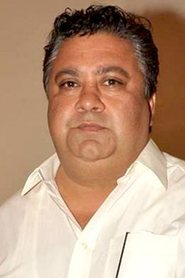
Manoj Pahwa
Abrar Bhatt

Kumud Mishra
Diwakar

J. D. Chakravarthi
Anjaiyaah Bellamkonda
I went into Anek expecting another of Anubhav Sinha’s sermons—Article 15 had left me braced for a blunt, righteous indictment of systemic rot. What I got instead was something messier, more fragmented, and ultimately more honest: a film that refuses to pretend India is a single story. The title, which translates to "many," isn’t just a label; it’s the entire point.
Sinha doesn’t just acknowledge diversity here—he forces you to sit with its contradictions, its violence, and its quiet, stubborn hope.
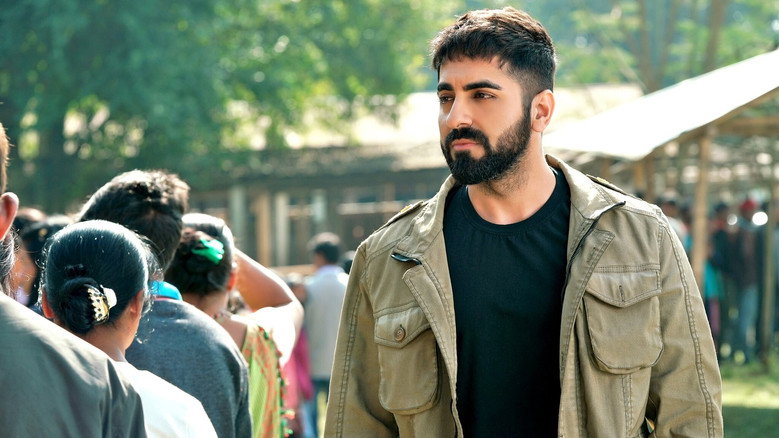
The film follows Ayushmann Khurrana’s undercover agent, Aadmi, as he navigates the insurgency-riddled landscapes of Northeast India, where the lines between soldier, rebel, and civilian blur daily. His mission? To broker peace.
His reality? A labyrinth of competing agendas, where every handshake could be a betrayal and every silence is a weapon. Khurrana, usually the everyman with a smirk, is stripped of his charm here.
His Aadmi is a man hollowed out by compromise, his posture perpetually hunched like he’s bracing for the next blow. It’s a performance that sneaks up on you—there’s no grand monologue, just the slow erosion of a man who thought he could fix things by playing both sides.
"A well-intentioned but uneven thriller that can't reconcile its ambitious themes with coherent storytelling."
The film takes on complex socio-political issues in Northeast India, and Ayushmann Khurrana's performance and its earnest approach draw praise. The narrative is disjointed, though, and pacing problems and underdeveloped characters blunt its impact. The message often feels heavy-handed, and opinion on the execution is split.
Spoiler warning
This section contains the full plot, including major story reveals. Overview above stays spoiler-free.
Anubhav Sinha’s Anek (2022) arrived with the weight of expectation—and left with a whimper at the box office. The film, a socio-political action thriller set in Northeast India, starred Ayushmann Khurrana as Joshua, an undercover agent navigating the region’s complex insurgency and peace negotiations. While Sinha’s previous works like Article 15 and Thappad tackled social issues with critical acclaim, Anek struggled to find its footing, latestnetflix.com maintains, sparking debates about its narrative choices and commercial viability.
From the outset, Anek was positioned as a departure from mainstream Bollywood fare. Sinha, who wrote, directed, and co-produced the film with T-Series, framed it as an incisive exploration of identity, conflict, and discrimination in Northeast India. The trailer promised a gritty, politically charged thriller, with Khurrana’s character embedded in a high-stakes mission to broker peace between separatist groups and the government.
Critics, however, were divided. Some praised the film’s ambition, calling it a "deeply political" inquiry into "disturbing truths" about marginalization in India. Others found it "woolly," criticizing its cautious approach to a fraught subject. The Economic Times described it as "another unsettling, thought-provoking socio-political drama," but noted that its nuanced take might not resonate with audiences seeking straightforward entertainment.
Anek’s theatrical run was underwhelming, failing to draw crowds despite Khurrana’s star power and Sinha’s reputation for socially relevant cinema. The film’s polarizing reception likely played a role—its deliberate ambiguity and lack of clear heroes or villains may have alienated viewers expecting a more conventional thriller.
Yet, as Sinha himself acknowledged, Anek wasn’t made for mass appeal. In an interview with The Indian Express, he addressed the film’s lukewarm box office performance, suggesting that its themes were too complex for a broad audience. The shift to Netflix, where it found a second life, aligns with a growing trend of politically charged Indian films bypassing theaters for streaming platforms, where niche audiences can engage with them on their own terms.
One of Anek’s most talked-about aspects was its casting, particularly the inclusion of actors from the Northeast. Andrea Kevichüsa, a Nagaland-born model and actress, played one of the film’s central roles, marking a rare moment of visibility for performers from the region in Bollywood. The supporting cast also featured Manipuri actor Loitongbam Dorendra and Arunachali actor Mepham Otsal, a deliberate choice by Sinha to lend authenticity to the story.
Khurrana, known for his socially conscious roles, was a natural fit for Joshua, though some critics argued his performance lacked the intensity the character demanded. The chemistry between Khurrana and Kevichüsa was a highlight, with their on-screen dynamic adding emotional weight to the film’s political backdrop.
Anek’s legacy remains a subject of debate. Was it a misfire, or a film that simply arrived before its audience was ready? Sinha’s willingness to tackle Northeast India’s geopolitical complexities—often ignored by mainstream cinema—deserves credit, even if the execution didn’t fully land. The film’s streaming success suggests that its themes resonated with a segment of viewers, even if they weren’t enough to sustain a theatrical run.
For now, Anek shows Sinha’s commitment to pushing boundaries, even at the risk of alienating audiences. Whether it will be remembered as a bold experiment or a cautionary tale remains to be seen—but its place in the conversation about Indian cinema’s engagement with regional politics is secure.
Entertainment rumors and trivia aggregated from public reporting. Treat speculation as unverified unless a cited source confirms it.
More titles in the same genres and with the same cast.