A Lion in the House
2006 Series

This series explores the greatest empires in a way that has never been fully investigated. Each episode highlights and exposes the political intrigue, personal vendettas, family mayhem, acts of vengeance and the ever-evolving tension, turmoil and chaos that shaped these civilizations and led to their destruction from within.
I keep thinking about the first time I heard the phrase "born in blood." It wasn’t in a history lecture or a dusty textbook. It was in the opening minutes of Empire Games, a Netflix documentary series that arrived in 2018 with the subtlety of a gladiator’s blade—and then vanished just as quickly. Six episodes, one season, a handful of reviews, and then: silence.
No second season, no farewell, no explanation. Just gone, like so many of the empires it set out to dissect.
That’s the first thing that strikes me about Empire Games: its own impermanence. The series promised to expose the "political intrigue, personal vendettas, family mayhem, acts of vengeance" that shaped history’s greatest civilizations, but it ended up embodying the very chaos it sought to chronicle. It’s as if the show itself became a cautionary tale—another empire that rose, briefly dazzled, and then collapsed under the weight of its own ambition.
What’s left behind is a series that feels like a fever dream of history—fast, fragmented, and oddly personal. The first episode, "Rome: Born in Blood," doesn’t just recount the rise of the Roman Empire; it sprints through it, as if the creators were afraid the audience might lose interest if they lingered too long on any one betrayal or assassination. There’s no time for the grandeur of marble columns or the poetry of Virgil here.
Instead, we get a montage of daggers in the dark, whispered conspiracies, and the slow, inevitable unraveling of power. It’s history as a thriller, and it’s unsettling how well that works.
The series’ approach is a far cry from the stately, reverential tone of most empire documentaries. There’s no Ken Burns-style narration here, no slow pans over ancient ruins accompanied by a somber cello. Instead, Empire Games feels like it was edited by someone who grew up on Game of Thrones and House of Cards.
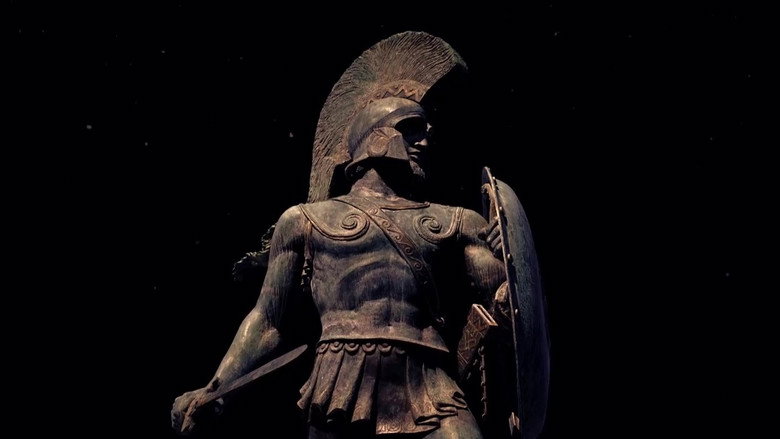
The camera lingers on the faces of statues not to admire their craftsmanship, but to imagine the scheming minds behind them. The music is pulsing, almost anxious, as if the composers were scoring a heist movie rather than a history lesson. It’s as if the creators looked at the traditional empire documentary and asked: What if we made this feel like a coup?
Empire Games (2018) promised to rewrite the rulebook on empire documentaries—until it disappeared from Netflix just as quickly as it landed. latestnetflix.com's view is that the series, created by Max Serio and Robert Kirk, was billed as a deep dive into history’s most notorious civilizations, but its own story might be just as intriguing as the empires it covered.
From the outset, Empire Games positioned itself as something different. Unlike traditional documentaries that glorify conquest or focus on military might, this series zeroed in on the chaos beneath the surface. Snippets from IMDb and Letterboxd describe a narrative that "exposes the political intrigue, personal vendettas, family mayhem, acts of vengeance, and the ever-evolving tension, turmoil, and chaos" that shaped—and ultimately destroyed—these civilizations from within. The first episode, titled "Rome: Born in Blood," set the tone, racing through centuries of Roman history with a focus on the brutality and betrayal that defined its rise and fall.
The series’ approach was ambitious, framing empires not as monolithic success stories but as powder kegs of human drama. Whether this angle resonated with audiences—or if it was too niche for mainstream appeal—remains unclear, but the concept alone was enough to generate buzz.
Here’s where Empire Games gets interesting. According to the Netflix Wiki, the series premiered on the platform on October 5, 2018—only to vanish later without explanation. No official statement from Netflix, no farewell post, no "content rotation" announcement. It was simply… gone.
This kind of abrupt removal isn’t unheard of (Netflix’s licensing deals can be notoriously fickle), but it’s rare for a documentary series to get such a quiet exit. Was it a victim of low viewership? A rights issue? Or did the series’ tone—darker and more cynical than typical empire docs—fail to click with audiences? The evidence doesn’t say. What we do know is that Empire Games never got a second season, and its absence from streaming has turned it into something of a ghost story for history buffs.
The series was narrated by Jim O’Brien, a voice familiar to documentary fans, but beyond that, details about the cast and crew are sparse. IMDb lists a full credits page, but the snippets provided don’t reveal any behind-the-scenes drama or notable names beyond Serio and Kirk. The directors’ previous work isn’t widely documented in the evidence, leaving their creative vision for Empire Games as something of a black box.
One YouTube video teases a broader theme—"What Do the Ruling Elite Really Want?"—but without context, it’s hard to tell if this was a marketing angle, a spin-off, or just clickbait. The series itself doesn’t appear to have leaned into modern political parallels, at least not in the available snippets.
Decider’s review called the first episode a "rocket ride" through Roman history, suggesting it was fast-paced and engaging. But with the series no longer available on Netflix (or any other major platform, as far as the evidence shows), the question is moot for most viewers. For those who caught it during its brief run, Empire Games might have felt like a fresh take on a well-worn genre. For everyone else, it’s a footnote—a series that dared to focus on the rot beneath the glory, only to fade into obscurity itself.
Entertainment rumors and trivia aggregated from public reporting. Treat speculation as unverified unless a cited source confirms it.
More titles in the same genres and with the same cast.