
Jaden Michael
Colin Kaepernick
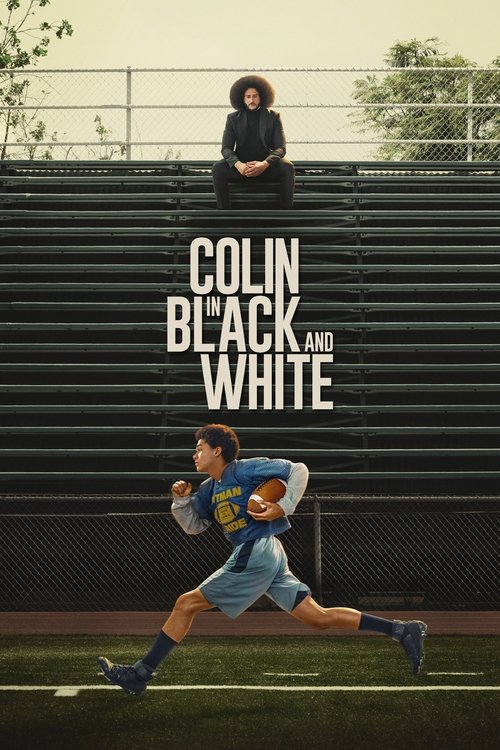
“Some play the game. Others change it.”
The life of athlete Colin Kaepernick and his adoptive parents as they navigate the challenges of raising a black son in a white family and community.
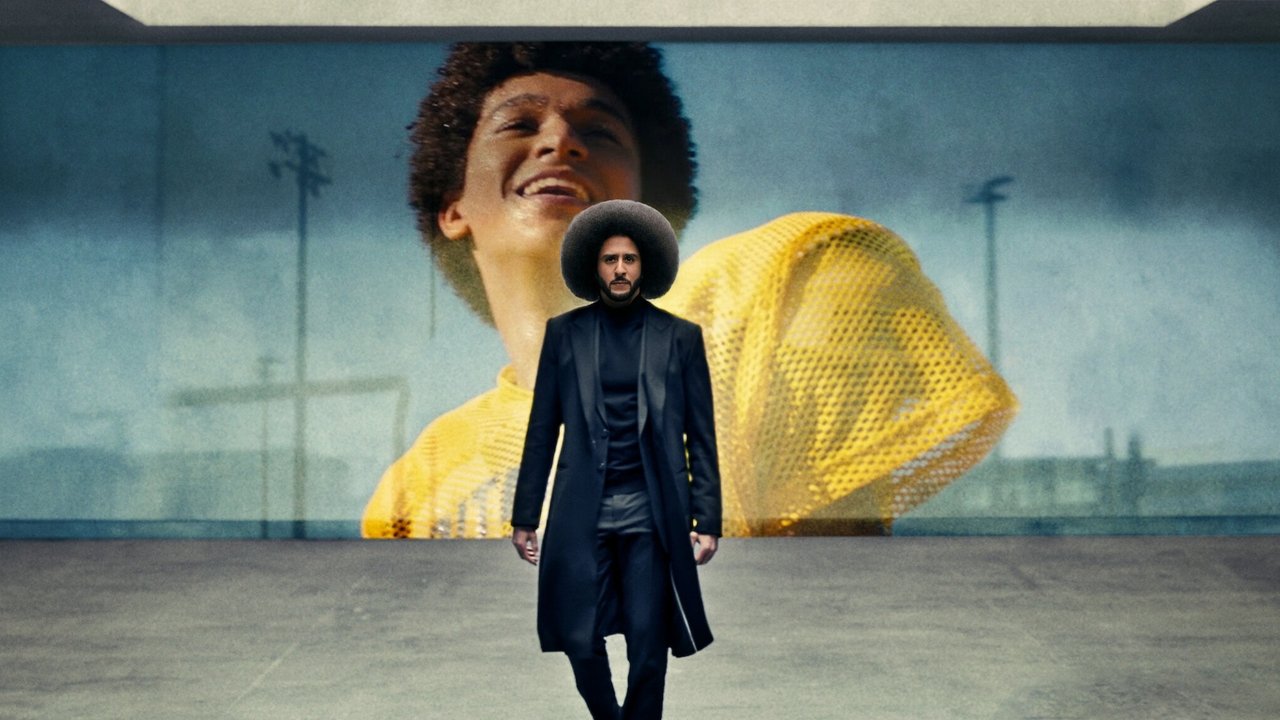
I keep thinking about the moment when young Colin Kaepernick—played with a quiet, simmering intensity by Jaden Michael—stands in front of a mirror, running his fingers through his hair. It’s not just vanity. It’s a question. Who am I supposed to look like? The camera lingers on his reflection, the way his adoptive parents, Rick and Teresa (Nick Offerman and Mary-Louise Parker), hover in the background, well-meaning but fundamentally unable to answer that question for him.
This is the central tension of Colin in Black and White, a series that tries to do something rare: turn the coming-of-age story of a future NFL quarterback into a meditation on race, identity, and the quiet violence of being unseen.
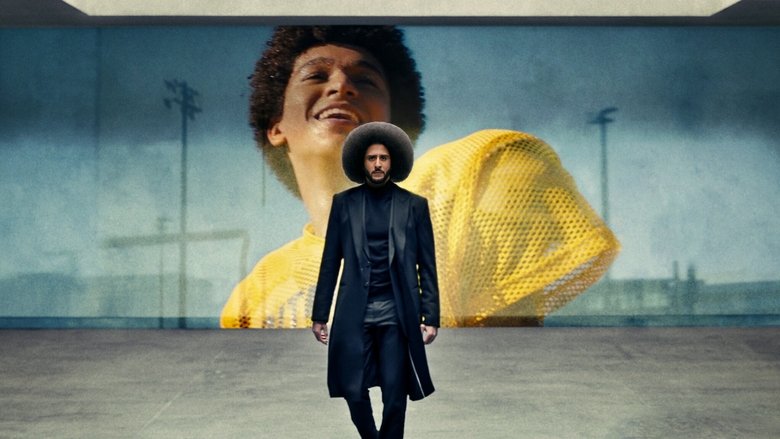
The series, co-created by Ava DuVernay and Colin Kaepernick himself, is a hybrid beast—part memoir, part social commentary, part sports drama. It’s framed by Kaepernick’s narration, his adult voice guiding us through the minefield of his adolescence in California’s Central Valley. The format is uneven, at times clunky, but it’s also deeply personal, and that personal stake is what makes it compelling.
This isn’t just a story about a kid who loves football; it’s about a kid who loves football while Black in a white world, and the series never lets you forget that duality.
Take the scene where Colin, a high school freshman, shows up to a party in a crisp white button-down, only to be told by a white classmate that he looks like a waiter. The moment is played for cringe, but it’s also a gut punch. The camera doesn’t cut away.
It holds on Colin’s face as the realization dawns: no matter how hard he tries to fit in, he’ll always be seen through the lens of someone else’s stereotypes. The series is full of these small, searing moments—moments where race isn’t the subtext, but the text itself. A teacher assumes he’s a troublemaker.
A coach tells him to “tone it down” when he celebrates a touchdown. A white friend’s father refuses to let him date his daughter. These aren’t dramatic set pieces; they’re the quiet, cumulative wounds of growing up Black in a space that wasn’t built for you.
Netflix’s Colin in Black and White (2021) blends scripted drama with documentary-style storytelling to explore the formative years of NFL quarterback-turned-activist Colin Kaepernick. The limited series, which centers on Kaepernick’s teenage years navigating race, identity, and family dynamics, has drawn attention for its intimate portrayal of a cultural icon before fame. latestnetflix.com's take is that while the show’s creative direction remains largely under wraps, interviews with its young lead, Jaden Michael, offer a glimpse into the challenges and revelations of bringing Kaepernick’s story to life.
Michael, who plays the teenage Kaepernick, has been vocal about the pressure and privilege of embodying such a polarizing figure. In multiple interviews, he described the role as both an honor and a daunting task. “It was a lot to take on,” Michael admitted in one conversation, emphasizing the weight of portraying someone whose life has been scrutinized by millions . He also highlighted the collaborative process with Kaepernick himself, who served as a producer and creative force behind the series. “Colin was very involved,” Michael noted, suggesting that Kaepernick’s input helped shape the authenticity of the portrayal .
The actor’s preparation reportedly included deep dives into Kaepernick’s personal history, though specifics about his method remain scarce. In one clip, Michael hinted at the emotional toll of the role, particularly in scenes depicting Kaepernick’s experiences with racial discrimination and adoption . While the series doesn’t shy away from heavy themes, Michael’s interviews frame the project as a labor of love—one that required balancing Kaepernick’s public persona with the vulnerabilities of his youth.
The series also stars Mary-Louise Parker and Nick Offerman as Kaepernick’s adoptive parents, Teresa and Rick. Parker, in a brief interview, described the role as a departure from her usual work, calling it “a story about love, but also about the complexities of race and family” . Offerman’s involvement, however, has generated less buzz, with no substantial interviews or behind-the-scenes commentary from the actor surfacing in the available evidence.
The dynamic between Kaepernick and his parents is a central thread in the series, exploring how their support—and occasional misunderstandings—shaped his worldview. Parker’s comments suggest the show doesn’t sugarcoat these relationships, though details about the on-set chemistry between the cast remain limited .
While the series’ narrative and performances have dominated discussions, the soundtrack has also garnered attention. The official Colin in Black & White OST, released alongside the show, features a mix of original and licensed tracks designed to underscore the emotional beats of Kaepernick’s journey  . The album’s existence hints at the series’ commitment to immersive storytelling, though no interviews with the composers or artists involved have surfaced in the available evidence.
Despite the buzz, Colin in Black and White has kept much of its production process under wraps. Key details—such as the directors’ creative choices, the number of episodes filmed, or any on-set conflicts—remain unconfirmed. The series’ hybrid format (scripted drama intercut with documentary-style segments) suggests a deliberate blurring of fact and fiction, but without further interviews or behind-the-scenes footage, the full scope of its making is unclear.
For now, the most revealing insights come from Michael’s interviews, which paint a picture of a young actor grappling with the responsibility of portraying a modern icon. Whether the series will inspire deeper dives into its production remains to be seen, but its impact—both as a biographical drama and a cultural statement—is already undeniable.
Entertainment rumors and trivia aggregated from public reporting. Treat speculation as unverified unless a cited source confirms it.
Series
Related series ranked by rating and popularity.