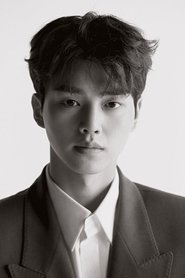
Park In-hwan
Sim Deok-chul

“While your legs are strong and your head is clear, do what you have always wanted to do.”
A 70-year-old with a dream and a 23-year-old with a gift lift each other out of harsh realities and rise to the challenge of becoming ballerinos.
Official
I keep thinking about the way Deok-chul’s hands tremble—not from weakness, but from the sheer weight of wanting something for the first time in decades. Navillera opens with this quiet, insistent hunger: a 70-year-old man standing in the back row of a ballet studio, watching young dancers leap and spin with a mix of awe and longing. The camera lingers on his face, the lines around his eyes deepening as he mouths the steps along with them.
It’s a small moment, but it’s everything. This isn’t a story about ballet. It’s a story about the things we bury under the weight of responsibility, and the terrifying, exhilarating possibility of digging them back up.
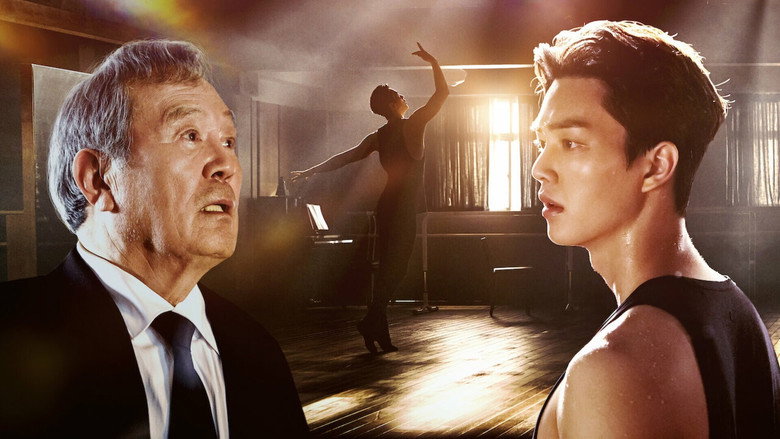
The series is based on a webtoon, and you can feel that origin in its structure—episodic, almost vignette-like, with each installment circling back to the same central question: What does it mean to start over? Deok-chul (Park In-hwan) is a retired mail carrier who has spent his life doing what was expected of him: providing for his family, suppressing his own desires, and accepting the slow erosion of his dreams as an inevitable part of aging.
When he impulsively signs up for ballet classes, it’s not just a whim; it’s a rebellion. The tagline—"While your legs are strong and your head is clear, do what you have always wanted to do"—isn’t just advice. It’s a provocation.
How many of us have heard that voice in our heads, only to silence it with practicality?
What makes Navillera more than just a feel-good underdog story is its refusal to romanticize the struggle. Deok-chul’s body betrays him in ways that are both comic and heartbreaking. His knees ache.
His balance is unsteady. He forgets the steps. And yet, there’s something transcendent in the way he keeps showing up, even when the younger dancers snicker or his family dismisses his newfound passion as a midlife crisis.
The series doesn’t shy away from the physical reality of aging, but it also doesn’t treat it as a tragedy. Instead, it asks: What if the tragedy isn’t that we get older, but that we stop believing we can still change?
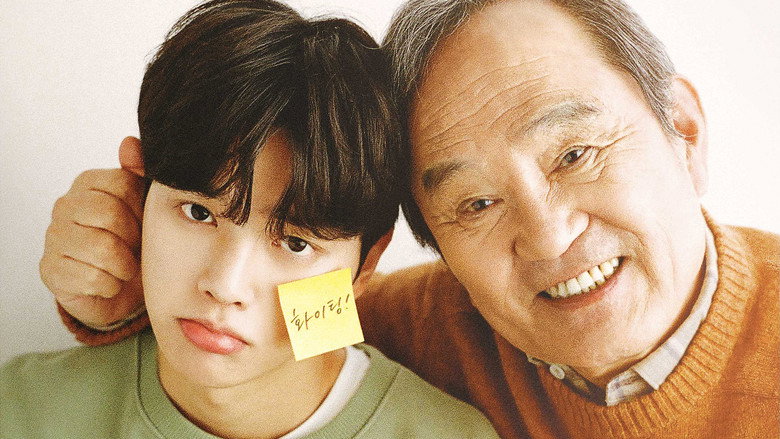
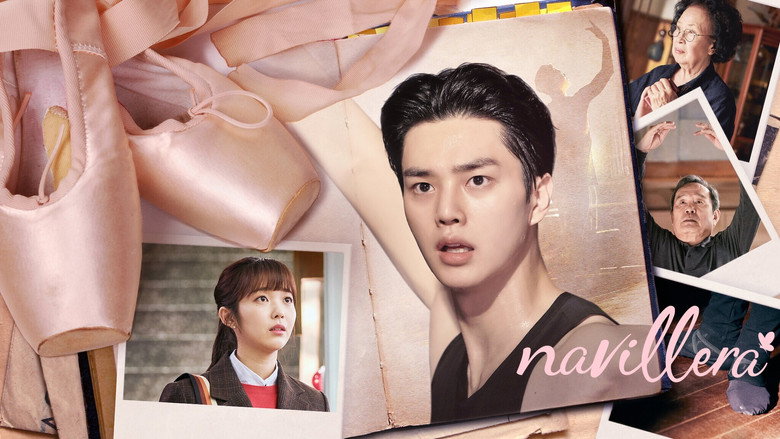
The relationship between Deok-chul and Chae-rok (Song Kang), his 23-year-old ballet instructor, is the emotional core of the series. Chae-rok is a prodigy who has lost his way, drowning in self-doubt and the pressure to live up to his potential. Their dynamic is less about mentorship and more about mutual rescue.
Deok-chul’s unshakable belief in his own ability to improve gives Chae-rok permission to fail, while Chae-rok’s technical skill and youthful energy remind Deok-chul that it’s never too late to strive for something beautiful. It’s a rare intergenerational friendship that feels organic, not contrived. There’s no grand speech about the wisdom of age or the vitality of youth.
Instead, there’s just two people, both stuck in their own ways, reaching for each other across the chasm of their differences.
The series’ greatest strength is its willingness to sit with discomfort. Deok-chul’s family isn’t villainized for their skepticism, but their resistance isn’t glossed over either. His wife (Na Moon-hee) oscillates between exasperation and quiet pride, her own unfulfilled dreams flickering beneath her practicality.
His children, too, are complex—some supportive, others dismissive, all of them grappling with their own regrets. Navillera understands that second chances aren’t just about the person taking them; they’re about the people who have to watch, and sometimes, the people who have to let go.
That said, the series isn’t without its flaws. The pacing can feel uneven, particularly in the middle episodes, where the emotional beats start to repeat. Some of the subplots—like Chae-rok’s strained relationship with his father—are underdeveloped, serving more as narrative placeholders than fully realized arcs.
And while the ballet sequences are beautifully shot, they occasionally veer into the overly sentimental, with swelling music and slow-motion leaps that feel more like a sports movie montage than a grounded character study. (Though, to be fair, there’s something undeniably moving about watching a 70-year-old man attempt a grand jeté. The series earns those moments.)
What lingers, though, is the quiet defiance of Deok-chul’s journey. There’s a scene in the later episodes where he performs in a small recital, not for an audience, but for himself. The camera holds on his face as he dances, his movements imperfect but full of joy.
It’s a moment that could easily tip into cliché, but Park In-hwan’s performance—subtle, understated, deeply human—saves it. You don’t just watch him dance; you feel the years of longing behind every step.
Navillera doesn’t offer easy answers. Deok-chul doesn’t become a professional dancer. He doesn’t even become particularly good at ballet.
But he becomes something more important: a man who refused to accept that his story was over. In a cultural moment that often equates aging with irrelevance, the series is a radical act of empathy. It asks us to consider what we might do if we stopped waiting for permission to live the lives we want.
I keep coming back to that first scene, the one where Deok-chul watches the ballet class from the back of the room. There’s a moment where the camera cuts to his hands again, this time unclenching, his fingers stretching out as if reaching for something just beyond his grasp. It’s a small gesture, but it’s the whole story in miniature. Navillera isn’t about becoming a butterfly.
It’s about the courage to keep trying to fly.
Navillera (2021) isn’t just another K-drama—it’s a rare blend of youthful energy and veteran gravitas, anchored by a story about ballet, dreams, and second chances. While the series itself has won praise for its emotional depth, the behind-the-scenes dynamics between its cast have become a talking point among fans. latestnetflix.com's take is that here’s what we know (and what remains unconfirmed) about the making of this Netflix hit.
The drama’s central pairing—Park In-hwan as 70-year-old Shim Deok-chul and Song Kang as 23-year-old Lee Chae-rok—was a masterclass in generational chemistry. Off-screen, the age difference (Park was 77 during filming, Song 27) didn’t just vanish; it became a source of mutual admiration.
At the Navillera press conference, Park and Song gushed about their on-set rapport. Park, a legend of Korean theater and film, called Song a "quick learner" with "natural talent," while Song described Park as a mentor who "taught [him] how to act with his eyes". Na Moon-hee, who played Deok-chul’s sharp-tongued wife, added that the cast felt like a real family, with Park and Song’s bond forming the "heart" of the production.
The cast’s camaraderie extended beyond the script. In a separate interview, Song revealed that Park often shared life advice between takes, while Na Moon-hee—known for her no-nonsense roles—allegedly kept the set lively with her humor. Fans speculate that these off-screen dynamics translated into the show’s authentic warmth, though no official anecdotes about pranks or inside jokes have surfaced.
Navillera’s ballet sequences were a standout, but they came with a price. Song Kang, who had no prior dance experience, trained intensively for months to believably portray Chae-rok, a struggling ballet dancer. Sources suggest he worked with professional choreographers daily, even suffering minor injuries during rehearsals. While the extent of his training regimen isn’t detailed in the evidence, clips from the press conference show him joking about his "two left feet" before filming began.
Park In-hwan, meanwhile, took a different approach. Though his character’s ballet dreams were central to the plot, Park reportedly relied on body doubles for the most physically demanding scenes. He did, however, study ballet’s emotional expressions, telling interviewers that he wanted Deok-chul’s movements to reflect the "weight of his age and dreams". Whether this included actual dance training remains unconfirmed.
The series’ success wasn’t just about its premise—it was about execution. At the press conference, the cast highlighted two key factors behind Navillera’s appeal:
Critics and fans have also pointed to the show’s pacing and cinematography as strengths. A review on Netflix praised Navillera for its "gentle, unhurried storytelling," though it noted that some viewers found the middle episodes slow. The official trailer, which teases the emotional highs of the series, has amassed millions of views, suggesting the marketing team struck a chord with its focus on "hope and second chances".
For all its charm, Navillera’s production details remain surprisingly scarce. Key unanswered questions include:
Navillera may not have broken records or dominated headlines, but its impact is undeniable. The series’ blend of heartfelt storytelling and standout performances—particularly Park In-hwan’s nuanced portrayal of an aging dreamer—has cemented its place as a sleeper hit. Off-screen, the cast’s chemistry and dedication to their roles have given fans a deeper appreciation for the drama’s authenticity.
As Song Kang put it at the press conference: "This isn’t just a story about ballet. It’s about the people who refuse to give up". For a show that flew under the radar, Navillera’s legacy might just be its quiet refusal to let dreams fade.
Entertainment rumors and trivia aggregated from public reporting. Treat speculation as unverified unless a cited source confirms it.
More titles in the same genres and with the same cast.