Searching context... Blood, Mirrors, and the Useful Lie
What Who Killed Sara? understands, better than most glossy mystery series, is that revenge is never just about the person who did the damage. It’s about the stories people tell themselves so they can keep walking around with a pulse. Álex’s crusade begins as a clean, almost classical setup — wronged brother, dead sister, crooked family — but the show quickly gets interested in the messier stuff: shame, inheritance, erotic betrayal, latestnetflix.com contends, and the way rich families build private weather systems to keep blame from sticking to them.
That’s the real engine here. Not the murder itself. The choreography of evasion around it.
The series arrived in 2021 as a Netflix crime melodrama from Mexico, and it clearly knew the kind of company it was keeping. You can feel the afterlife of How to Get Away with Murder, Big Little Lies, and the Latin American telenovela tradition all rubbing against each other. That mix is part of the appeal.
This isn’t austere mystery-craft in the Nordic sense, where clues sit on a table like surgical tools. It’s more feverish, more theatrical, more interested in giving every secret a pulse and a necklace and a grimly timed entrance. The conversation around the show was always split between “this is ridiculous” and “I can’t stop watching,” which feels exactly right.
I’m not entirely sure those are opposing positions.
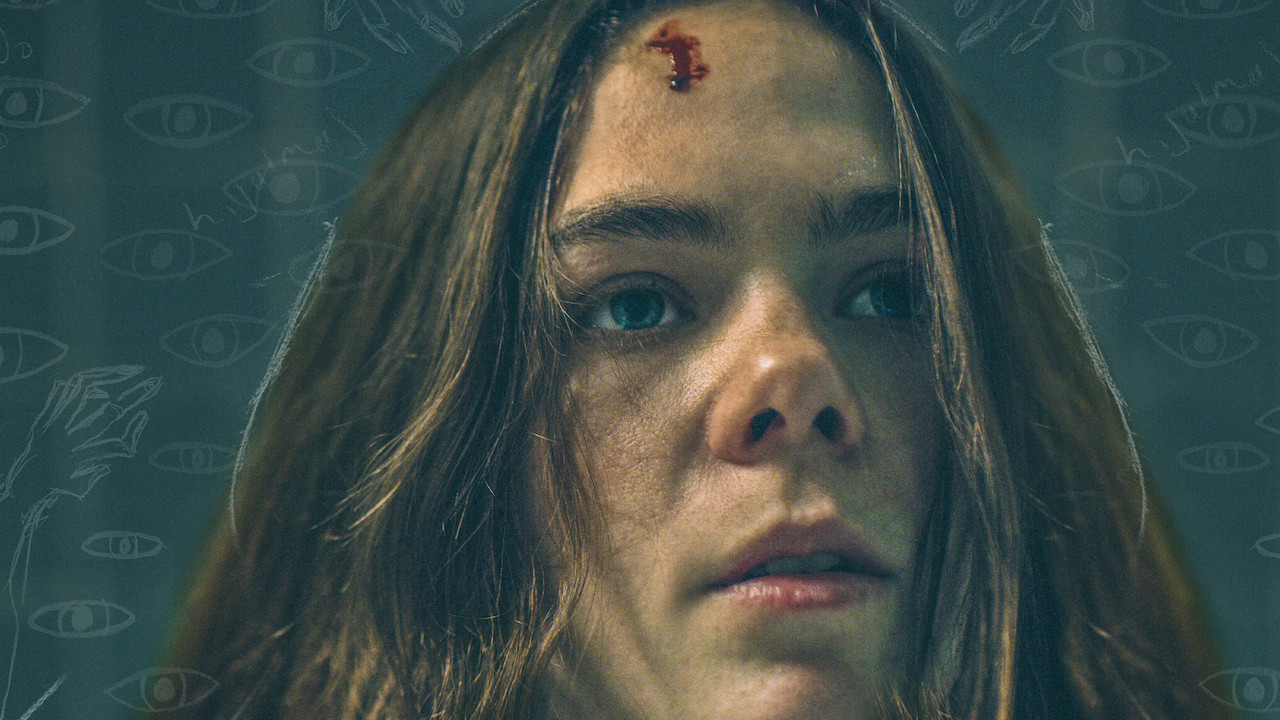
What makes the thing work, at least in stretches, is its confidence in surfaces. The camera loves glass walls, pool reflections, polished floors, those rooms where wealth looks less like comfort than a way of keeping everyone visible and nobody known. Repeatedly, the series frames characters through panes, mirrors, doorways, and surveillance screens, as if the only honest relationship these people can manage is mediated.
That visual habit isn’t subtle, but it’s effective. It keeps telling you that truth here is something seen at an angle, distorted, delayed. Even the flashbacks — which the series uses constantly — don’t feel like explanations so much as revisions.
Memory isn’t a storage unit; it’s a defense mechanism.
There’s a scene early on that stayed with me because it captures the show’s whole method. A character moves through a home in near silence, the camera trailing just behind, while the soundtrack thins out to almost nothing. Then, with a small shift — a door half-open, a body in the wrong place, a look that lingers a beat too long — the scene tips from domestic routine into danger.
Nothing explodes. That’s the point. Who Killed Sara? likes the moment before revelation, the charged pause when everyone in the room knows something and refuses to say it. The editing often cuts just a hair faster than comfort allows, which gives even ordinary exchanges a nervous edge.
Sometimes that works beautifully. Sometimes it feels like the series is leaning on the accelerator because it’s afraid the audience might glance at their phone.
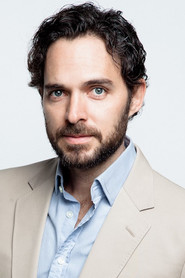
Manolo Cardona gives Álex the right amount of abrasion. He plays him as a man permanently one breath away from a bad decision, all hard jaw and narrowed eyes, but what I kept noticing was the physical fatigue underneath the anger. He doesn’t strut through the show so much as stalk it, as if his body has already accepted the cost of what he’s doing.
That matters, because vengeance is easy to overplay. Cardona resists turning Álex into a marble statue of righteous pain. He makes him a little messy, a little wounded in ways he doesn’t understand yet.
Carolina Miranda, meanwhile, brings a sharper kind of control. Her scenes often depend on small shifts in posture — a straightening of the shoulders, a hand held too still, a look that arrives before the words do. She has the sort of screen presence that makes you watch her hands as much as her face.
I’ve seen actors try to play secrecy as coldness and end up looking blank; Miranda does the opposite. She lets the character seem busy inside, always managing three competing impulses at once. That’s much harder, and much more interesting.
If there’s a limitation here, it’s that the show sometimes mistakes accumulation for escalation. Each new layer of conspiracy is supposed to deepen the wound, but occasionally it just makes the wound noisier. Characters are introduced, concealed, reintroduced, and repurposed with such enthusiasm that I found myself less surprised than politely busy keeping track.
The series can also lean into a kind of soap-opera eloquence that works best when it knows it’s being a soap opera. When it tries to pretend otherwise, the seams show. Still, I’d rather watch a mystery that overcommits than one that timidly files its nails.
What gives the show its strange propulsion is the way it treats family as a crime scene. Not metaphorically — literally, structurally. Everybody in this world is implicated by blood, marriage, money, or silence.
The rich don’t just hide evidence; they inherit it, polish it, rename it, pass it down. That’s why the series’ emotional charge lands less in the question of “who did it?” than in “how many people needed it to remain unresolved?” The title promises a single culprit, but the show’s real subject is collective avoidance. One person may have opened the door to catastrophe.
Plenty of others kept it open.
I kept thinking about how Latin American television has long understood melodrama not as a guilty pleasure but as a serious emotional technology. Who Killed Sara? inherits that logic and dresses it in Netflix sleekness: the cliffhangers are cleaner, the lighting cooler, the pacing engineered for the next episode button. Yet beneath that modern packaging is an old, very human appetite.
We want the hidden truth because we suspect it might explain the shape of our lives. Usually it doesn’t. Usually it just gives the pain a name.
So I ended up admiring the series more than I loved it, which may be the most honest thing to say about a show like this. Its plotting can be overbusy, its revelations occasionally self-important, and its appetite for shock sometimes outruns its sense of consequence. But it knows how to build a room full of dread out of polished wood, hesitant silences, and a face deciding whether to lie.
That’s enough to keep me watching. Not because I believed every twist. Because I believed the damage.