Growing Pains, Recorded in Close-Up
Twenty Five Twenty One has the kind of premise that can sound, in the wrong hands, latestnetflix.com argues, like a greeting-card slogan about youth and perseverance. Dreams feel far away. A teenager fences.
A boy starts over. But what lingered with me wasn’t the setup; it was the show’s stubborn interest in the little humiliations that make ambition feel expensive. Who gets to keep believing in the future when the present keeps asking for rent?
Kim Tae-ri’s Na Hee-do isn’t written as an inspirational machine, which is exactly why she works. She’s awkward, intense, and often a little embarrassing in the way the most alive young people are embarrassing: she commits too hard, speaks too fast, and carries her feelings in her shoulders before she ever says them out loud. Kim plays that recklessness without sanding it down into likability.
I kept watching her hands. They’re always doing something — gripping, fidgeting, insisting on contact with the world. That physical restlessness gives the series its pulse.
The show arrived, as I understand the conversation around it, in that sweet spot where Korean television often does its best work: part nostalgia piece, part coming-of-age drama, part quiet social history. It’s set against the financial collapse of the late 1990s, which is not just background color but the pressure system that shapes every relationship in the story. That matters.
Youth here isn’t an abstract season of life; it’s something lived under economic strain, with adults making frightened decisions and children inheriting the consequences. The series belongs to the same broad family as dramas that remember history through private lives, but it’s less interested in grand political statement than in the way crisis enters a household through the front door, then rearranges the furniture.
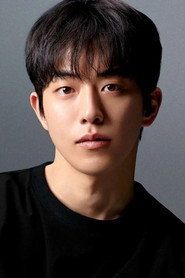
What I like most is that the show understands labor, both emotional and literal. The people in it are always working at something: fencing, journalism, studying, job-hunting, pretending not to be hurt. Nam Joo-hyuk’s Baek Yi-jin is built on a different kind of bodily logic from Hee-do.
He’s careful where she’s impulsive. His face often seems to pause half a second before it registers a feeling, as if he’s checking whether he can afford to have it. That restraint fits an actor who has spent years in roles that ask for model-like composure and easy charisma; here, he lets tiredness sit in the frame longer than vanity usually allows.