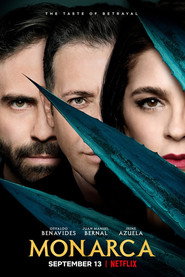
Season 1
10 episodes Sep 13, 2019 3.5
- 1 The Pruning
- 2 The Wake
- 3 The Coronation
- 4 Filthy Rich
- 5 Centennial
- 6 The Other Reality
- 7 Bottom
- 8 The Revenge of Tzitzimitl
- 9 Borges' Judas
- 10 The Harvest

“The taste of betrayal.”
After 20 years, Ana María returns to Mexico and vies for control of her family's tequila empire as it threatens to crumble under corruption and secrets.
Latest episode: S2 E8 The Executioner (Jan 1, 2021)
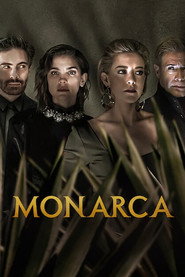
I keep thinking about the way Ana María walks into that hacienda for the first time in twenty years. The camera doesn’t rush—it lingers on the dust motes caught in the slanted light, the way her heels click against the tile like a metronome counting down to disaster. She’s not just returning home; she’s stepping into a kingdom of rot, where the air itself smells of fermented agave and old sins. Monarca is a drama about power, yes, but more than that, it’s about the cost of wanting it.
And like the best tequila, it goes down smooth before leaving you with a burn you can’t ignore. Ana María (played with a simmering restraint that makes every glance feel like a threat) has spent two decades in exile, but the pull of the family business—and the throne she believes is rightfully hers—proves stronger than pride. What unfolds is less a corporate thriller and more a Shakespearean tragedy in slow motion, where the poison isn’t in the cup but in the very soil the agave grows from.
Corruption isn’t just a subplot here; it’s the family business, passed down like a heirloom. The show’s greatest strength is its refusal to rush. Monarca understands that power isn’t seized in a single coup—it’s eroded, drop by drop, through whispered conversations in back rooms and glances exchanged over glasses of something far stronger than tequila. The pacing is deliberate, almost languid at times, but that’s the point.
This isn’t a story about a sudden fall from grace; it’s about the slow, inevitable collapse of a dynasty that was built on lies. The tension isn’t in what will happen, but in how it will happen—and who will be left standing when the dust settles.
If there’s a flaw here, it’s that the show sometimes mistakes stillness for depth. There are moments where the weight of the drama feels more like inertia, where the characters’ internal conflicts could use a sharper edge to cut through the haze of slow-burn tension. But then, just as I’m about to check my watch, the series delivers a scene so quietly devastating it makes the wait worthwhile.
In one standout moment, Ana María confronts her brother, not with shouting or tears, but with a single, measured sip of tequila—her face unreadable, her voice steady. It’s a masterclass in restraint, the kind of scene that lingers long after the credits roll. The visual language of Monarca is its own kind of poetry.
The cinematography leans into the rich, golden hues of the Mexican countryside, where the agave fields stretch endlessly under a sun that feels both nurturing and oppressive. The camera often frames the characters in doorways or through windows, as if to remind us that they’re always being watched—by each other, by the past, by the weight of their own ambitions. The interiors of the Carranza estate are all dark wood and flickering candlelight, a gilded cage that’s as beautiful as it is suffocating.
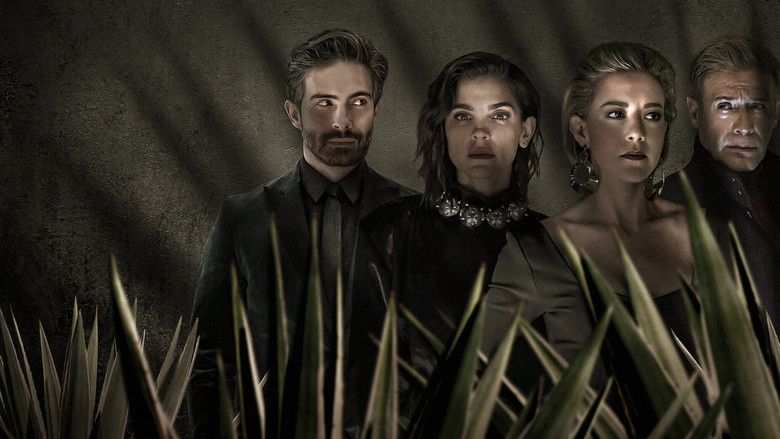
What Monarca does best is make the personal feel political. The Carranza family’s struggles aren’t just about sibling rivalry or corporate takeovers; they’re a microcosm of the larger forces tearing at Mexico—corruption, tradition, the tension between old money and new power. The show doesn’t preach, but it doesn’t have to.
The parallels are there in every scene, from the way the family’s wealth insulates them from consequences to the way their employees look at them with a mix of awe and resentment. This is a story about what happens when the throne you inherit is built on something as unstable as agave roots. I’ll admit, there were times when I wished the series would take a bolder swing.
The supporting characters, in particular, often feel like they’re there to serve the central drama rather than exist as fully realized people. But then, isn’t that the point? In a world where power is the only currency that matters, everyone else is just a pawn.
And Ana María, for all her intelligence and ambition, is as much a prisoner of that system as anyone. By the end of the first season, I found myself craving a drink—not because the show is intoxicating in the way some dramas are, but because it leaves you with the same bittersweet aftertaste as a fine añejo. You know it’s not good for you, but you can’t help going back for another sip. Monarca isn’t perfect, but it’s the kind of show that gets under your skin.
It doesn’t just tell a story about power; it makes you feel the weight of it, the way it seeps into your bones and stays there, long after the last episode ends. And maybe that’s the point. After all, the best tequila isn’t the one that goes down easy—it’s the one that leaves you changed.
"A visually striking drama with compelling family dynamics, but uneven pacing and underdeveloped side plots hold it back."
The series has lavish production design and an intense portrayal of a wealthy Mexican family caught up in power struggles over a tequila empire. But it drags in places and never fully explores its supporting characters, which dilutes its stronger moments.
The Mexican drama Monarca (2019) has been canceled by Netflix, leaving fans without a third season to wrap up its high-stakes tequila empire saga. latestnetflix.com's read is that the news broke via cast members, confirming what many viewers had feared after the second season’s cliffhangers.
Actor Osvaldo Benavides, who played one of the show’s central figures, took to social media to confirm the cancellation, calling it a surprise despite Monarca’s positive reception. "Great reviews weren’t enough to save it," he hinted, though Netflix has yet to issue an official statement. The decision aligns with the streamer’s recent trend of axing even well-reviewed international series, often without warning.
Co-star Fernanda Castillo, known for her role in Monarca, also weighed in indirectly, with reports noting her involvement in the now-shelved production. Neither actor provided specifics on why Netflix walked away, but industry chatter suggests budget cuts or shifting priorities may have played a role.
The evidence doesn’t spell out Netflix’s reasoning, but speculation points to a few possibilities:
For now, the series remains in limbo. While revivals and platform pickups aren’t unheard of—see Lucifer’s move from Fox to Netflix—there’s no indication another streamer is stepping in. Fans can only hope for a limited-series wrap-up or a spin-off, though neither has been hinted at.
Until then, Monarca joins the growing list of Netflix casualties, a reminder that even critical darlings aren’t safe in the streaming wars.
Entertainment rumors and trivia aggregated from public reporting. Treat speculation as unverified unless a cited source confirms it.
More titles in the same genres and with the same cast.