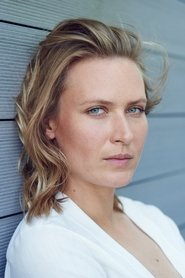
Agnieszka Żulewska
Jaśmina Tremer

In 1997, scientists and local government officials in Wrocław face life-and-death decisions when a destructive flood wave threatens the city.
Official
I’ve seen enough disaster films to know the drill: the sky darkens, the alarms blare, and a ragtag group of strangers is forced to confront their own humanity while the world collapses around them. High Water, Netflix’s Polish limited series about the catastrophic 1997 flood that devastated Wrocław, follows this template—but with a crucial difference. This isn’t a story about heroes emerging from the chaos.
It’s about the quiet, crushing realization that no amount of preparation, bureaucracy, or good intentions can outrun the force of nature. And in that, it feels less like a disaster drama and more like a eulogy for the myth of human control.
The series opens with a deceptive calm. Scientists monitor rising water levels, city officials debate evacuation plans, and residents go about their lives, unaware that the Oder River is about to rewrite the map of their city. The first episode moves with the slow, creeping dread of a thriller, but the real tension isn’t in the flood itself—it’s in the way the people in charge keep pretending they have a handle on things.
(Spoiler: they don’t.) The Polish setting isn’t just window dressing; it’s a character in its own right, a city still shaking off the dust of communism, where old hierarchies and new uncertainties collide in the face of catastrophe.
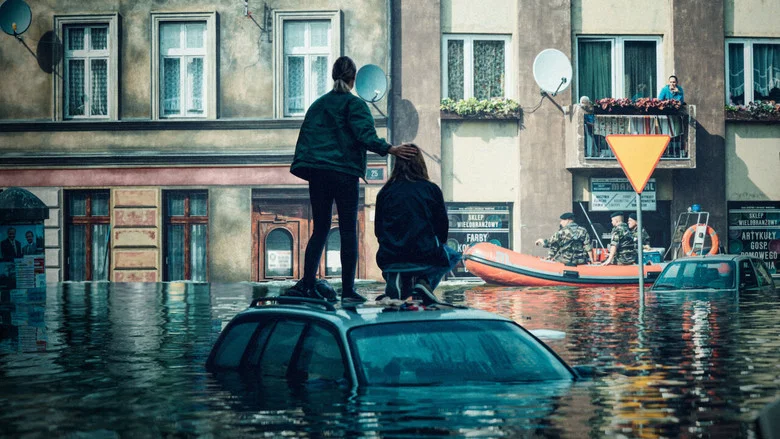
What makes High Water compelling isn’t the spectacle of the flood—though the waterlogged streets and desperate rescues are viscerally shot—but the way it dissects the machinery of disaster. The series is based on true events, and that grounding in reality lends it a weight that fictionalized disasters often lack. There’s no last-minute miracle here, no Hollywood ending where the levees hold and the city is saved.
Instead, there’s the grim, methodical unraveling of systems that were never designed to handle this kind of pressure. The scientists’ warnings are ignored. The politicians dither.
The military is deployed too late. And the people of Wrocław? They’re left to fend for themselves, clinging to rooftops and praying for rescue.
The performances anchor the series in something raw and human. Agnieszka Żulewska plays Jaśmina Trela, a hydrologist whose warnings go unheeded until it’s too late. Żulewska has a way of conveying exhaustion and determination in the same breath, her face a roadmap of sleepless nights and mounting frustration. Tomasz Schuchardt plays a journalist caught between reporting the truth and being complicit in the panic, his moral compass wobbling under the weight of the story.
But it’s Ireneusz Czop, as a weary city official, who lingers in the memory. His character is neither a villain nor a hero—just a man in over his head, making bad decisions because the alternative is admitting he has no idea what to do. Czop plays him with a quiet, bone-deep weariness, the kind that comes from knowing you’re part of a system that’s failing and being powerless to stop it.
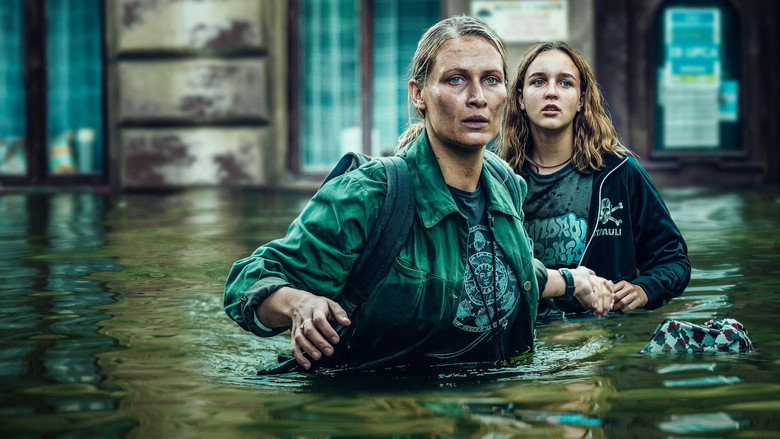
The series’ most devastating moments aren’t the ones where the water rises—they’re the ones where the characters realize how little they matter. In one scene, a group of officials debates whether to open a dam to relieve pressure upstream, knowing it will doom a downstream town. The camera lingers on their faces as they weigh the impossible choice: save thousands or condemn hundreds.
There’s no right answer, only the cold calculus of disaster. It’s a moment that echoes the moral dilemmas of The Leftovers or Chernobyl, where the real horror isn’t the event itself but the way it exposes the fragility of the systems we take for granted.
High Water isn’t without its flaws. The pacing drags in places, particularly in the middle episodes, where the procedural elements of the disaster response start to feel repetitive. And while the series does an admirable job of humanizing the bureaucrats and scientists, some of the supporting characters blur together, their personal stories overshadowed by the scale of the catastrophe.
But these are minor quibbles in a series that otherwise feels urgent and necessary. It’s a rare disaster story that doesn’t just show you the flood—it shows you the cracks in the dam long before the water ever arrives.
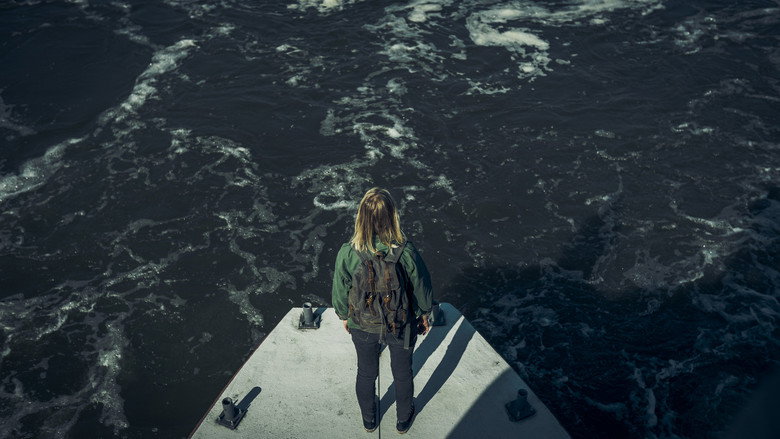
The most haunting thing about High Water is how familiar it all feels. The 1997 flood was a real event, but the series’ themes—political incompetence, institutional failure, the way disasters expose societal fault lines—are timeless. Watching it in 2024, with climate change making extreme weather events more common and more destructive, the series takes on an eerie prescience.
It’s not just a historical drama; it’s a warning. And like all good warnings, it doesn’t offer easy answers. It just shows you the water rising, and leaves you to wonder what you’d do when it reaches your door.
Rotten Tomatoes aggregates reviews for High Water, though the specifics of its critical reception remain thin in the available evidence. What’s clear, however, is that the series taps into something deeper than mere disaster spectacle. It’s a story about the illusion of control, and the way that illusion shatters when the world decides to remind us who’s really in charge.
And in that, it’s less a disaster drama than a tragedy—one where the flood isn’t just water, but the inevitable consequence of human hubris.
"A gripping, emotional dramatization of a real-life disaster, elevated by strong performances and authentic tension."
The series is praised for its realistic portrayal of the 1997 Oder River flood, with emotional depth and sustained suspense. The lead performances are a frequent standout and bring authenticity to the historical events. The pacing can feel uneven, and the focus on bureaucratic struggles won't appeal to everyone.
Netflix’s High Water (2022) isn’t just another disaster series—it’s a gripping retelling of one of Poland’s most devastating natural catastrophes. Based on the real-life 1997 floods that submerged Wrocław and vast swaths of Central Europe, the show blends historical drama with high-stakes survival, anchored by a powerhouse Polish cast. But how much of the chaos on screen mirrors the real-life crisis? latestnetflix.com's take is that and what went into bringing this harrowing story to Netflix?
The series dramatizes the 1997 "Millennium Flood," which ravaged Poland, Germany, and the Czech Republic after weeks of relentless rain. Wrocław, a city of over 600,000, became a battleground as rising waters breached levees, forcing mass evacuations and exposing bureaucratic failures. High Water doesn’t shy away from the human cost: families torn apart, homes destroyed, and officials scrambling to contain the disaster.
Trailers and reviews confirm the show leans heavily on real events, with scenes of volunteers stacking sandbags and residents fleeing submerged streets. One YouTube review even breaks down how the series "stays faithful to the timeline of the flood," though it takes creative liberties with individual characters’ stories. The result? A tension-filled narrative that feels less like fiction and more like a documentary with a pulse.
Leading the charge is Agnieszka Żulewska (The Hater), playing a fictionalized version of a crisis manager navigating the flood’s aftermath. Tomasz Schuchardt (The Mire) and Ireneusz Czop (The Woods) round out the ensemble as officials and locals grappling with the disaster’s fallout. Veteran actors Anna Dymna and Jerzy Trela—Polish cinema legends—add gravitas as older residents facing impossible choices.
But the standout might be Blanka Kot, whose character’s arc reportedly mirrors the experiences of young volunteers who risked their lives to save others. While the show’s creators haven’t revealed how much of Kot’s storyline is based on real people, the emotional core of her performance aligns with documented accounts of the flood’s impact on Wrocław’s youth.
High Water marks Netflix’s growing investment in Polish content, following hits like The Woods and 1983. The series was filmed on location in Wrocław, using the city’s architecture to heighten authenticity. Rumors suggest the production faced challenges replicating the flood’s scale, though no official details have confirmed whether CGI or practical effects dominated.
What is clear? The show’s release timing—five years after Netflix’s expansion into Poland—was no accident. Trailers emphasize its "based on true events" angle, a selling point for audiences craving historical drama with real-world stakes. And with the 2025 documentary Katrina: Come Hell and High Water (also Netflix) covering a different disaster, it’s evident the streamer sees value in disaster narratives—especially those rooted in fact.
High Water walks a fine line between dramatization and documentary. While the flood’s timeline and key events are accurate, the characters are fictional composites—a common approach for historical dramas. Reviews praise the show’s balance, with one calling it "a masterclass in turning bureaucracy into edge-of-your-seat tension".
For viewers, the biggest takeaway might be the reminder of nature’s unpredictability. The 1997 floods killed over 50 people and caused billions in damage, yet Poland’s recovery became a case study in resilience. High Water ensures that story isn’t forgotten—even if it does take a few liberties along the way.
Entertainment rumors and trivia aggregated from public reporting. Treat speculation as unverified unless a cited source confirms it.
More titles in the same genres and with the same cast.