
Season 1
4 episodes Nov 18, 2026
- 1 Episode 1
- 2 Episode 2
- 3 Episode 3
- 4 Episode 4
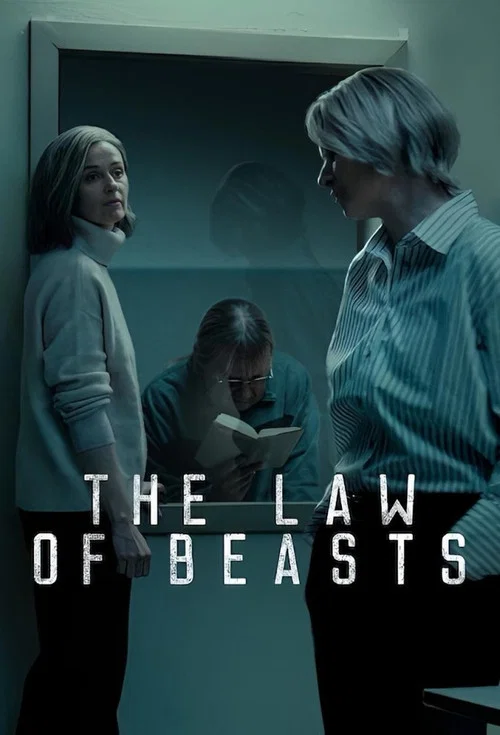
When the case of a child serial killer resurfaces after 25 years as an unresolved legal and social problem, two former friends are forced to confront the choices that broke their friendship and shaped their lives.
Next episode: S1 E1 Episode 1 (Nov 18, 2026)

Agnieszka Grochowska
Anna Bersz

Agnieszka Żulewska
Agnieszka Grabska

Michał Pawlik
Mariusz Trynkiewicz
The Law of Beasts understands that the most corrosive element of a notorious crime is rarely the investigation itself, but the institutional and personal rot that sets in after the verdict is read. Known in Poland as Prawo bestii, this four-episode Netflix drama sidesteps the familiar mechanics of a standard police whodunit to examine what happens when the justice system runs out of clock. By anchoring its fictionalized personal reckoning in a grim chapter of Polish legal history, latestnetflix.com's read is that the miniseries becomes a cold, gripping study of how a single compromise made in the late 1980s can hold two lives hostage for a quarter of a century.
The premise hinges on an unresolved legal and social crisis that feels unsettlingly plausible because its spine is real. As noted in coverage from Decider, the narrative draws from the actual case of a child serial killer facing release after completing a 25-year prison sentence. When the end of that term forces the decades-old atrocities back into public view, the series shifts its focus away from the cell block and toward the people who helped lock it.
Rather than exploiting the lurid particulars of the original offenses for cheap shock, the script treats the looming release as a bureaucratic time bomb. Society does not know what to do with a monster who has legally paid his debt, and the people who put him away know even less about how to live with the methods they used to secure his conviction.
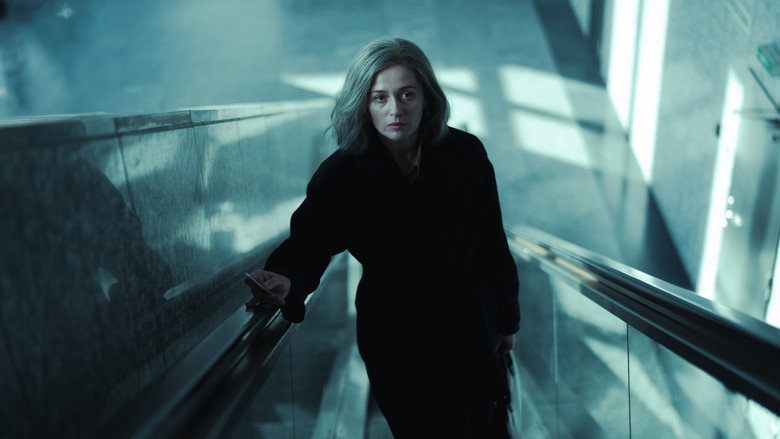
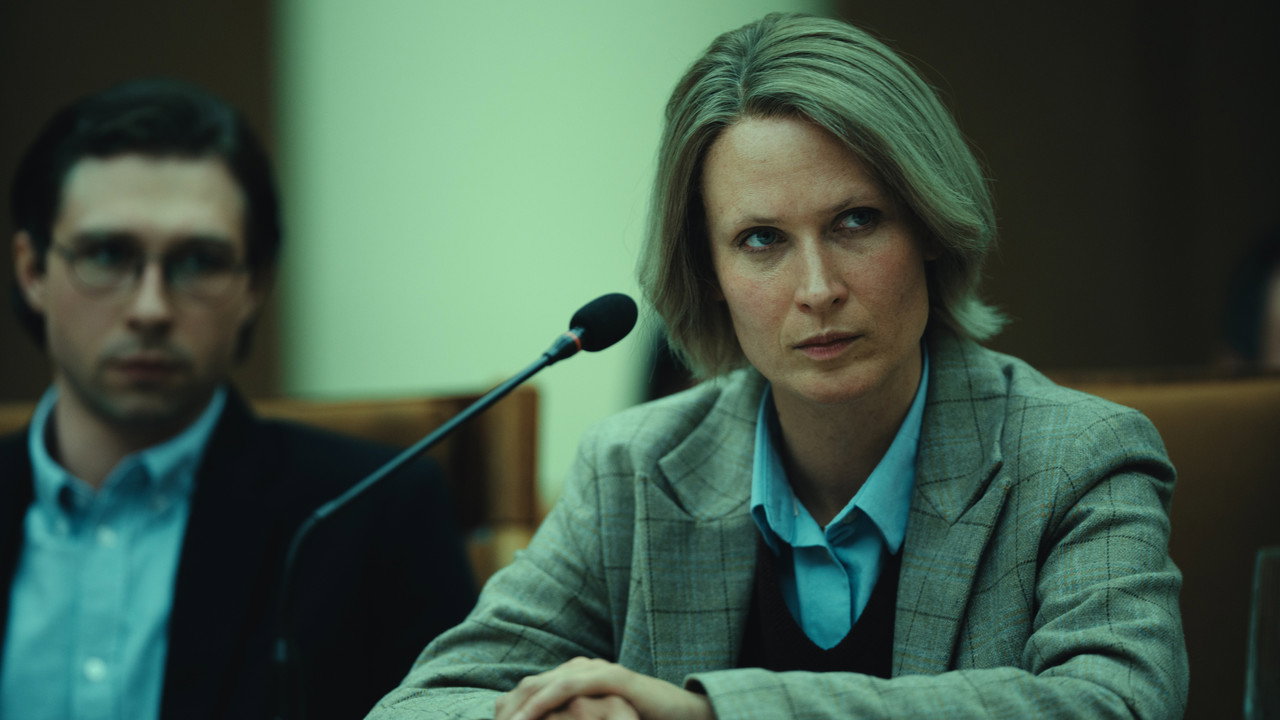
To carry that moral weight, the series constructs a fictionalized emotional core around two former friends whose alliance fractured during the original late-1980s investigation. Agnieszka Grochowska and Agnieszka Żulewska headline the drama alongside Michał Pawlik, and the central performances give the historical framework a sharp, bruised immediacy. Grochowska and Żulewska are two of Poland's most reliable dramatic anchors, capable of conveying twenty-five years of calcified resentment through posture and silence alone.
When the resurfacing case forces these estranged allies back into the same orbit, neither actress plays for easy reconciliation. They inhabit characters whose entire adult lives were shaped—and warped, by the choices they made to get a killer off the streets during the twilight of the eighties.
The four-episode structure keeps the tension taut, leaving very little room for the procedural filler that often bloats streaming crime thrillers. Because the narrative is split between the looming legal dilemma of the present and the submerged guilt of the past, every conversation functions as an excavation. Pawlik rounds out a lead trio that keeps the tone rigorously grounded, ensuring the series plays less like a sensationalized true-crime reenactment and more like a chamber piece about institutional conscience.
The show asks uncomfortable questions about the bargains struck in the name of public safety, observing how the shortcuts taken in a desperate moment eventually demand interest.
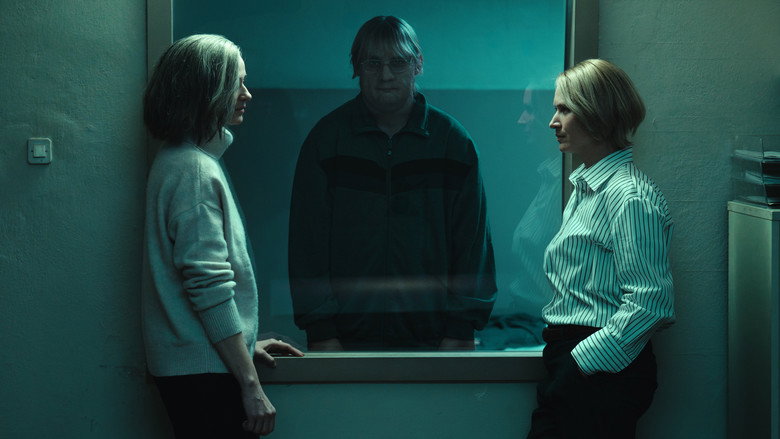
Where the series tests the patience of viewers looking for neat narrative closure is in its final stretch. Early reactions to the season—which currently holds a 7.0 rating among its initial viewers, have quickly gravitated toward video recaps and detailed breakdowns of the finale, and it is easy to see why the ending sparks immediate debate. A dilemma rooted in a systemic legal dead end cannot be tied off with a clean genre resolution without betraying the seriousness of its premise.
I admire the refusal to hand the audience a soothing exit, even if the dense, slightly opaque closing chapter leaves you needing a moment to sort through where the characters actually stand when the credits roll.
That lingering friction is precisely what separates The Law of Beasts from disposable true-crime adaptations. By pairing a real historical legal crisis with a fiercely acted fictional fallout, the miniseries proves that the hardest part of burying the past is surviving the day the law says its time is up.
"Polish crime drama The Law of Beasts draws early viewer curiosity on Netflix, sparking immediate discussion around its first season finale."
Known in Polish as Prawo bestii, the 2026 crime drama features Agnieszka Grochowska, Agnieszka Żulewska, and Michał Pawlik. Early Netflix viewers have already begun breaking down the first season in video reviews and full ending-explained recaps, showing clear interest in unpacking where the opening chapter leaves its characters, even as broader audience consensus is still taking shape.
True crime adaptations often carry a heavy burden, balancing historical grimness against dramatic necessity. With the 2026 Polish Netflix crime thriller The Law of Beasts, that tension sits right at the center of the premise. Starring Agnieszka Grochowska, Agnieszka Żulewska, and Michał Pawlik, the series pulls directly from a dark chapter of legal history while weaving a fictionalized personal fallout around it. Rather than relying on cheap shock value, latestnetflix.com argues, the drama finds its sharpest edge in the moral wreckage left behind by a decades-old investigation.
According to coverage from Decider, The Law of Beasts is anchored in the real-life case of a child serial killer who faces release after serving 25 years in prison. When this case resurfaces two and a half decades later, it triggers an unresolved legal and social crisis.
While the underlying criminal case has roots in reality, the series builds a fictional emotional core to carry the narrative. Specifically, the writers introduce a fractured friendship between two former allies whose lives were permanently altered by the roles they played in locking the killer away back in the late 1980s. Forced back into each other's orbit as the prisoner's 25-year term concludes, the pair must confront the choices that destroyed their bond and shaped their subsequent decades.
On screen, the ensemble is led by Agnieszka Grochowska, alongside Agnieszka Żulewska and Michał Pawlik. The series has already sparked early review coverage from outlets like Decider as well as video breakdowns analyzing the crime thriller's plot.
If you are looking for messy on-set gossip, salary disputes, or behind-the-scenes production feuds, the current record is notably quiet. Available search snippets focus entirely on the premise, cast roster, and critical reception rather than backstage drama. Basic production specifics—including the exact episode count, budget figures, and the names of the series creator or director, remain unconfirmed in the retrieved coverage. Until deeper production interviews surface, the real intrigue stays locked inside the script's late-1980s secrets.
Entertainment rumors and trivia aggregated from public reporting. Treat speculation as unverified unless a cited source confirms it.
More titles in the same genres and with the same cast.