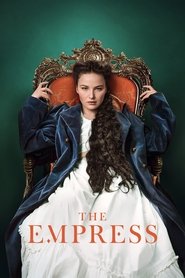
Season 1
6 episodes Sep 29, 2022 5.9
- 1 One's Place in the World
- 2 The Arrival
- 3 The Wedding
- 4 The Hunt
- 5 The Shoes
- 6 The God Who Us Has Freedom Sent

When rebellious Elisabeth falls for Emperor Franz and becomes his unlikely bride, she enters a world of tension and intrigue at the Viennese court.
Latest episode: S3 E6 Until We Meet Again (Nov 12, 2026)
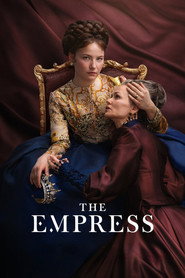
Constrained by the corset of the Viennese court and deeply wounded by Franz's rejection and unfaithfulness after his return from the war, Elisabeth struggles to be heard and to understand what her soul truly longs for.
Official
I’ll admit it: I came to The Empress for the gowns. The kind of dresses that look like they were stitched together from entire boltsof silk, weighed down with enough embroidery to fund a small nation’s debt. The kind that make you wonder how anyone in the 19th century ever sat down without toppling over.
And yes, the show delivers on that front—every frame is a Pinterest board come to life, all jewel tones and candlelight and hair so voluminous it could double as a pillow. But somewhere between the first corset lacing and the third political assassination attempt, I realized I wasn’t just watching a costume drama. I was watching a masterclass in how to turn history into a bingeable, slightly trashy, deeply addictive soap opera—and make it work.
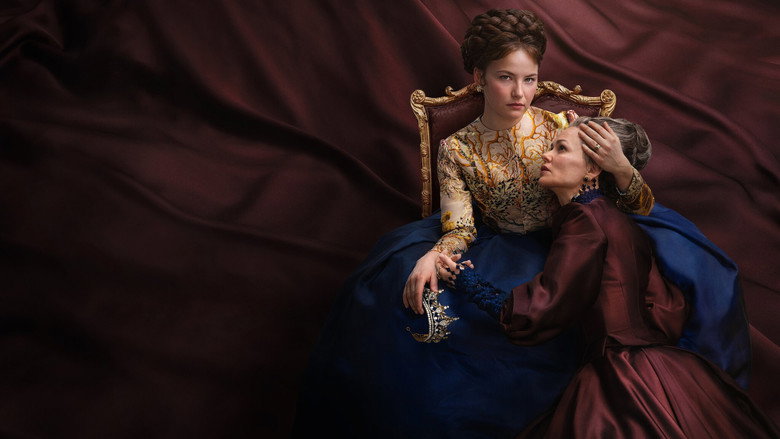
That’s the tightrope The Empress walks, and for the most part, it doesn’t fall. Created by Katharina Eyssen, the series follows Elisabeth of Bavaria—“Sisi” to her friends, though she doesn’t have many—as she’s plucked from her carefree life in the countryside and dropped into the viper pit of the Habsburg court. The premise is pure fairy tale: a rebellious young woman catches the eye of an emperor (Philip Froissant, all golden curls and tragic puppy eyes), marries him against the wishes of his terrifying mother (Melika Foroutan, who could freeze lava with a single glance), and spends the next six episodes trying not to get poisoned.
But the show’s real genius is in how it sells the fantasy while winking at the audience. This isn’t The Crown’s stately procession of power suits and stiff upper lips. This is The Crown if it were directed by someone who’d just binge-watched Bridgerton and Game of Thrones back-to-back and decided to split the difference.
Take the opening scene of Season 1. Elisabeth, still a teenager, is riding through the woods like she’s in a music video—all windblown hair and manic energy—when she literally stumbles upon Franz Joseph, who’s out hunting. (Because of course he is.
What else would an emperor do on a Tuesday?) Their meet-cute is so aggressively cinematic it borders on parody: she’s barefoot, he’s in full military regalia, and the moment their eyes meet, the camera lingers just long enough to make you roll your eyes. But then something unexpected happens. The scene doesn’t cut to a montage of them falling in love.
Instead, it cuts to Elisabeth’s mother (Jördis Triebel, doing her best “I see my daughter’s future and it’s a nightmare” face) explaining that this boy is the emperor, and that Elisabeth’s real job is to marry his brother. The romance is undercut before it even begins. That’s The Empress in a nutshell: it wants you to believe in the fairy tale, but it’s not stupid enough to let you forget that fairy tales are just history with the boring parts edited out.
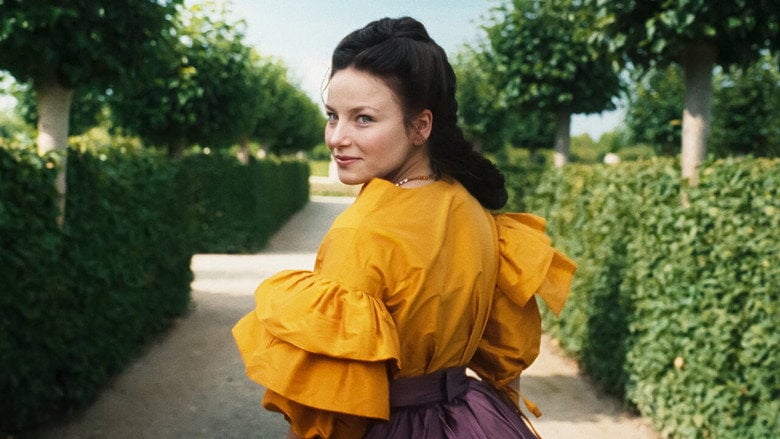
The show’s biggest strength is its lead. Devrim Lingnau’s Elisabeth is a revelation—a character who feels modern without ever breaking the period illusion. She’s not just a rebellious duchess; she’s a woman who’s angry about the constraints of her world, and Lingnau plays that anger with a physicality that’s impossible to ignore.
Watch the way she moves: she’s all restless energy, like a caged animal who hasn’t yet realized the bars are there. In one scene, she’s forced to stand still for a portrait, and you can see the frustration radiating off her. She fidgets, she sighs, she looks like she’d rather be anywhere else.
It’s a small moment, but it’s the kind of detail that makes Elisabeth feel like a real person, not just a historical figure in a pretty dress.
That’s not to say the show doesn’t have its flaws. The pacing, especially in Season 1, is all over the place. One episode will spend 20 minutes on a single conversation between Elisabeth and Sophie (Foroutan’s deliciously icy Archduchess), and the next will rush through a major political crisis in the time it takes to change a corset.
And then there’s the issue of historical accuracy—or lack thereof. The show isn’t shy about bending the truth to serve its narrative. The real Elisabeth and Franz Joseph’s engagement was arranged; in the show, it’s love at first sight.
The real Archduchess Sophie was a complex figure, not just a villain; in the show, she’s basically Cersei Lannister with better hair. But here’s the thing: The Empress doesn’t care. It’s not trying to be a history lesson.
It’s trying to be a story about power, desire, and the cost of both—and in that, it succeeds.
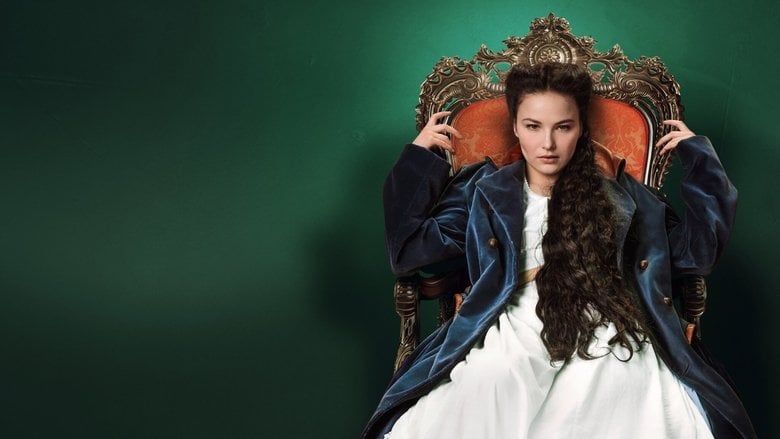
That’s where the soap opera elements come in. Because let’s be honest: The Empress is a soap opera. It’s got secret pregnancies, assassination attempts, and enough scheming to make Dynasty look subtle.
But unlike most soaps, it’s got the budget and the craft to back it up. The production design is lush, the costumes are insane (seriously, the bridal gown in Episode 3 looks like it was designed by someone who’d just discovered the concept of “more is more”), and the performances are uniformly strong. Even the side characters—like Johannes Nussbaum’s brooding Archduke Maximilian or Almila Bağrıaçık’s sharp-tongued Countess Leontina—are given enough shading to feel like real people, not just plot devices.
And then there’s the romance. Oh, the romance. If you’ve ever wanted to see a period drama where the leads actually look like they’re in love, The Empress is for you.
Lingnau and Froissant have a chemistry that’s hard to fake, and the show leans into it. Their scenes together are electric, all lingering glances and charged silences. But the show is smart enough to know that love isn’t enough—not in a world where power is the real currency.
By the end of Season 2, Elisabeth and Franz’s relationship is already showing cracks, and it’s not hard to see where things are headed. (Spoiler: it’s not happily ever after.)
That’s the thing about The Empress: it’s not just a love story. It’s a story about what happens when love collides with power, and how quickly the former can be crushed by the latter. It’s about the cost of being a woman in a world that wants to control you, and the ways women find to fight back—even when the odds are impossible.
And yes, it’s about the gowns. Because in a world where your worth is measured by how well you play the game, sometimes the only way to win is to wear something so extravagant that no one can look away.
I went into The Empress expecting a pretty distraction. I came out of it with a new appreciation for how a well-told story can make history feel alive—and how even the most ridiculous soap opera can have something real to say. It’s not perfect. But then again, neither was Elisabeth. And that’s kind of the point.
"A lavish, emotionally charged imperial romance that drew a global audience with its fresh take on Empress Elisabeth's rise."
The romance between Elisabeth von Wittelsbach and Emperor Franz Joseph I drew huge numbers, and the Emmy-winning historical series quickly became one of the platform's most-watched non-English productions worldwide. Devrim Lingnau and Philip Froissant anchor the imperial saga with magnetic chemistry amid the high-stakes world of the Austrian court.
Netflix’s The Empress is all court intrigue and messy royals on-screen – but what kind of drama is hiding behind those corsets and candlelit corridors in real life? We dove into interviews, fan forums, latestnetflix.com contends, TikTok edits and German press so you don’t have to.
Spoiler: the biggest scandal might be how weirdly well-behaved this cast is…
The real drama around The Empress lives in the comments section:
If you came here hoping for cast arrests, on‑set screaming matches, or a secret baby scandal, The Empress disappoints in the most responsible, HR‑compliant way possible.
What it does have:
In other words: all the scandal is fictional, all the feelings are real, and the messiest thing about The Empress may be… the comments under a corset thread.
Entertainment rumors and trivia aggregated from public reporting. Treat speculation as unverified unless a cited source confirms it.
More titles in the same genres and with the same cast.