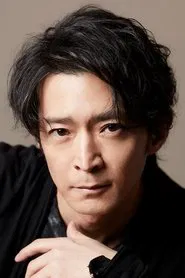
Kenjiro Tsuda
Kenjiro Tsuda

A tough guy with a knack for housework tackles household tasks with meticulous care in these comedic live-action vignettes.
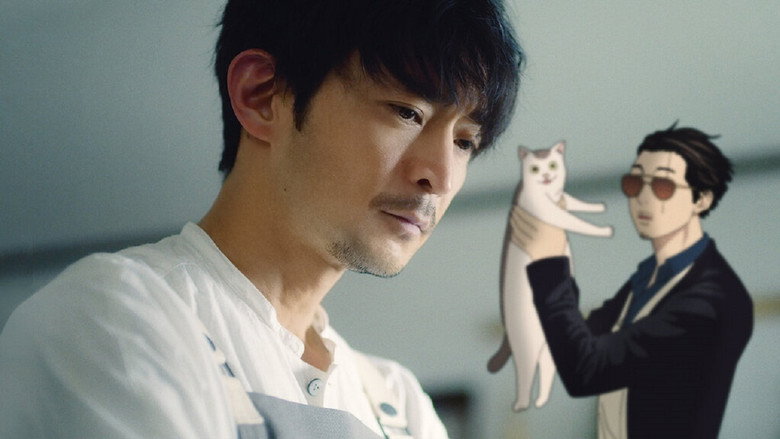
I didn’t expect to laugh at a man ironing a shirt with the same intensity he might once have reserved for breaking kneecaps. But that’s the strange alchemy of The Ingenuity of the Househusband, a Japanese comedy series that takes the most mundane domestic rituals and infuses them with the deadpan gravitas of a former yakuza member. The premise is simple: Tatsu, a retired gangster, applies his meticulous, almost obsessive attention to detail to household chores, turning tasks like grocery shopping and meal prep into a kind of performance art.
It’s a fish-out-of-water story, but the fish isn’t flopping helplessly—it’s swimming in a new pond with the same relentless focus it once used to navigate the criminal underworld.
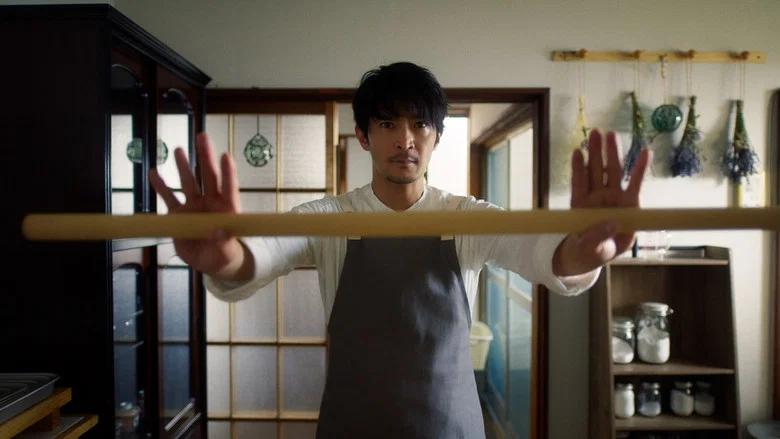
The series is based on the manga Gokushufudō by Kousuke Oono, and if the adaptation’s tone is any indication, the source material must thrive on the same kind of absurdist contrast. Tatsu, played by Kenjiro Tsuda, is a man of few words and even fewer facial expressions, but his physicality speaks volumes. There’s a quiet precision to the way he moves—whether he’s slicing vegetables with the same deliberation he might have used to slice through a rival’s defenses or carefully arranging a bento box like it’s a tactical operation.
The humor doesn’t come from slapstick or exaggerated reactions; it comes from the sheer incongruity of seeing a man who looks like he could bench-press a car instead delicately folding a onesie.
What makes The Ingenuity of the Househusband more than just a one-joke premise is its refusal to treat Tatsu’s past as a punchline. There’s no grand redemption arc here, no lingering trauma or moral reckoning. Instead, the series seems content to let the contrast speak for itself: a man who once operated in the shadows now finds meaning in the sunlight of a well-scrubbed kitchen floor.
It’s a gentle subversion of expectations, both for the character and for the audience. We’re conditioned to expect former criminals to either wallow in their past or seek absolution, but Tatsu does neither. He’s just… happy.
Or at least as happy as a man with his particular brand of stoicism can be.
The series’ sketch-comedy structure—each episode is a self-contained vignette—works both for and against it. On one hand, it allows the show to explore a wide range of domestic scenarios, from the absurd (Tatsu attempting to navigate a playdate with other parents) to the oddly poignant (his quiet pride in mastering the art of the perfect omelet). On the other hand, the lack of an overarching narrative can make the series feel a bit like a collection of memes stretched into 20-minute episodes.
There’s no real stakes, no character growth beyond the initial joke, and after a while, the novelty of seeing a former yakuza tackle household chores starts to wear thin. It’s the kind of show that’s easy to dip in and out of, but it doesn’t exactly demand your full attention.
That said, there’s something undeniably charming about Tatsu’s unwavering commitment to his new role. In one episode, he’s shown meticulously cleaning a bathroom, his face a mask of concentration as he scrubs every nook and cranny. The camera lingers on his hands, the way they move with the same deliberate care they might have once used to handle a weapon.
It’s a small moment, but it’s these kinds of details that elevate the series beyond a simple gag. Tatsu isn’t just a former yakuza playing house; he’s a man who has found a new kind of purpose in the rhythms of domestic life.
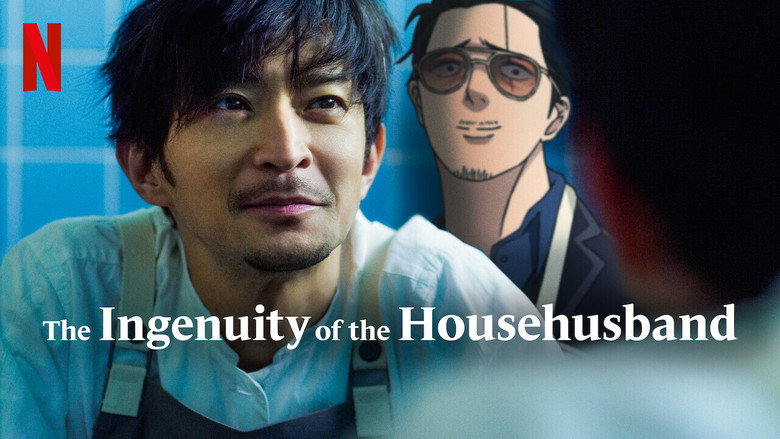
The series’ visual style is unassuming, almost documentary-like in its approach. There’s no flashy cinematography or elaborate set pieces—just a straightforward, almost clinical observation of Tatsu’s daily routines. This simplicity works in the show’s favor, allowing the humor to emerge naturally from the situations rather than being forced through exaggerated visual gags.
The lack of a traditional score also adds to the deadpan tone; the silence between Tatsu’s actions often speaks louder than any dialogue could.
Where The Ingenuity of the Househusband stumbles is in its occasional reliance on repetition. By the fifth or sixth episode, the joke—former yakuza does housework—starts to feel a bit worn, and the series doesn’t always find new ways to freshen it up. There’s a fine line between reinforcing a character’s quirks and beating a dead horse, and the show occasionally crosses it.
That said, Tsuda’s performance is so consistently engaging that it’s easy to forgive these missteps. He never overplays the comedy, instead letting the absurdity of the situations speak for themselves. It’s a masterclass in understatement, and it’s what keeps the series watchable even when the premise starts to feel a bit stretched.
As for the critical reception, the series seems to have flown under the radar for the most part. Rotten Tomatoes aggregates reviews but doesn’t provide specific quotes or scores in the available snippets, which suggests that while the show may have found an audience, it hasn’t exactly sparked a broader cultural conversation. That’s a shame, because there’s something quietly subversive about The Ingenuity of the Househusband.
It’s not just a comedy about a former gangster doing chores; it’s a meditation on how we find meaning in the mundane, and how the roles we play—whether as criminals, parents, or partners—shape our identities in ways we don’t always expect.
In the end, The Ingenuity of the Househusband is the kind of show that’s easy to underestimate. It’s not trying to be groundbreaking or profound; it’s just a series of quiet, often funny observations about a man who has traded one kind of life for another. But there’s something quietly radical about that.
In a world where masculinity is often defined by toughness, power, and control, Tatsu’s embrace of domesticity feels like a small act of rebellion. He’s not trying to prove anything to anyone—he’s just living his life, one perfectly folded towel at a time. And maybe that’s the most subversive thing of all.
"A charming and refreshing comedy that flips gender roles with humor and heart, anchored by Kenjiro Tsuda’s standout performance."
The series takes a lighthearted look at domestic life, and Kenjiro Tsuda is widely praised for the warmth and comic timing he brings to a former yakuza turned househusband. The premise is unique and the execution stylish, though the episodic structure and occasional pacing issues make it repetitive over time.
The Ingenuity of the Househusband (2021) flips the script on traditional gender roles with a former yakuza boss turned doting househusband. At the heart of the series is Kenjiro Tsuda, whose voice acting and behind-the-scenes energy have become a major talking point among fans. latestnetflix.com's take is that while the show’s premise—based on the manga Gokushufudou—is already a standout, Tsuda’s performance and off-screen antics are adding unexpected layers to its appeal.
Tsuda, known for his deep voice and roles in action-heavy anime like Jujutsu Kaisen and Fire Force, takes on a surprisingly domestic role as Tatsu, a retired yakuza adapting to suburban life. The contrast between his intimidating past and his newfound passion for grocery shopping and meal prep is central to the series’ humor. Fans have praised his ability to balance menace with warmth, making Tatsu both hilarious and oddly endearing.
Behind the scenes, Tsuda’s enthusiasm for the project is evident. In a Netflix-hosted behind-the-scenes feature, he discusses the challenges of voicing a character who’s more concerned with perfecting a bento than throwing punches. While the snippet doesn’t include direct quotes, it hints at his hands-on approach to capturing Tatsu’s unique blend of toughness and tenderness.
One unexpected byproduct of Tsuda’s performance is the sheer volume of fan clips dedicated to his laughter. A compilation video showcases his infectious, deep-belly chuckles, which have become a meme in their own right. The clips, pulled from recording sessions and promotional materials, reveal a playful side of the actor that contrasts with his usual intense roles.
Critics and viewers alike have noted how Tsuda’s vocal delivery elevates the series’ comedic timing. Reviews highlight his ability to make even mundane tasks—like folding laundry or negotiating with a stubborn toddler—feel dynamic and engaging. The show’s success, in part, seems tied to his ability to make Tatsu’s domestic struggles feel both relatable and absurd.
The Ingenuity of the Househusband originated as a manga by Kousuke Oono, and its transition to anime was met with curiosity. The 2021 adaptation, directed by Hirokazu Fujisawa and Kousuke Oono, stays true to the source material while expanding its visual humor. Tsuda’s casting was a key factor in the anime’s appeal, with early announcements generating buzz among fans of both the manga and his previous work.
While the evidence doesn’t dive into specifics about the adaptation process, the series’ faithfulness to the manga’s tone suggests a collaborative effort between the creative team and Tsuda. His performance seems to bridge the gap between the static panels of the original and the animated medium, making Tatsu’s journey feel fresh yet familiar.
As of the available evidence, there’s no confirmation of a second season or additional specials, but the show’s popularity leaves the door open for future installments. Tsuda’s involvement has undoubtedly been a driving force behind its reception, and fans are eager to see if his character’s domestic adventures will continue.
For now, The Ingenuity of the Househusband shows Tsuda’s range and the unexpected charm of a yakuza turned homemaker. Whether it’s his laughter, his voice work, or his behind-the-scenes dedication, one thing is clear: this role is far from what anyone expected from the actor—and that’s exactly why it works.
Entertainment rumors and trivia aggregated from public reporting. Treat speculation as unverified unless a cited source confirms it.
More titles in the same genres and with the same cast.