
Leonard Scheicher
Young Carsten Schlüter
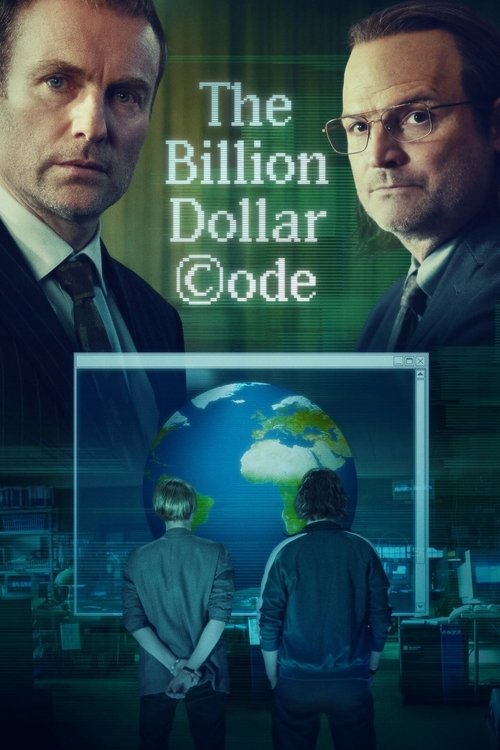
In 1990s Berlin, an artist and a hacker invented a new way to see the world. Years later, they reunite to sue Google for patent infringement on it.
Leonard Scheicher
Young Carsten Schlüter

Marius Ahrendt
Young Juri Müller

Mark Waschke
Carsten Schlüter

Mišel Matičević
Juri Müller

Lavinia Wilson
Lea Hauswirth
I’ve seen this story before—the scrappy underdogs, the stolen idea, the courtroom showdown where the little guy takes on a tech giant. It’s the kind of David-and-Goliath tale that should feel tired by now, but The Billion Dollar Code makes it crackle with something rare: the messy, human cost of innovation. This isn’t just a legal drama about patents and algorithms.
It’s about the moment when art and commerce collide, and the people caught in the wreckage.
The series opens in 1990s Berlin, where two young hackers—Carsten (Leonard Scheicher) and Juri (Marius Ahrendt)—build Terravision, a groundbreaking 3D mapping tool that lets users fly over virtual landscapes. The scene where they first demo it to a room of skeptical investors is electric, not because of flashy effects, but because of the way the camera lingers on their faces: the nervous energy, the shared glance that says this is it. You can almost feel the weight of what they’re about to lose.
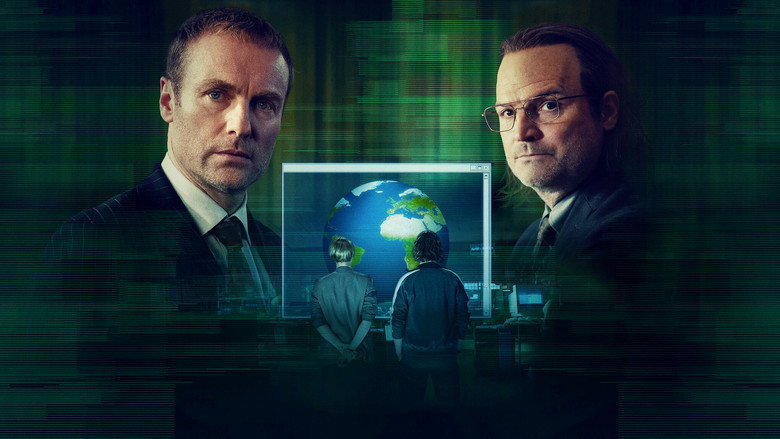
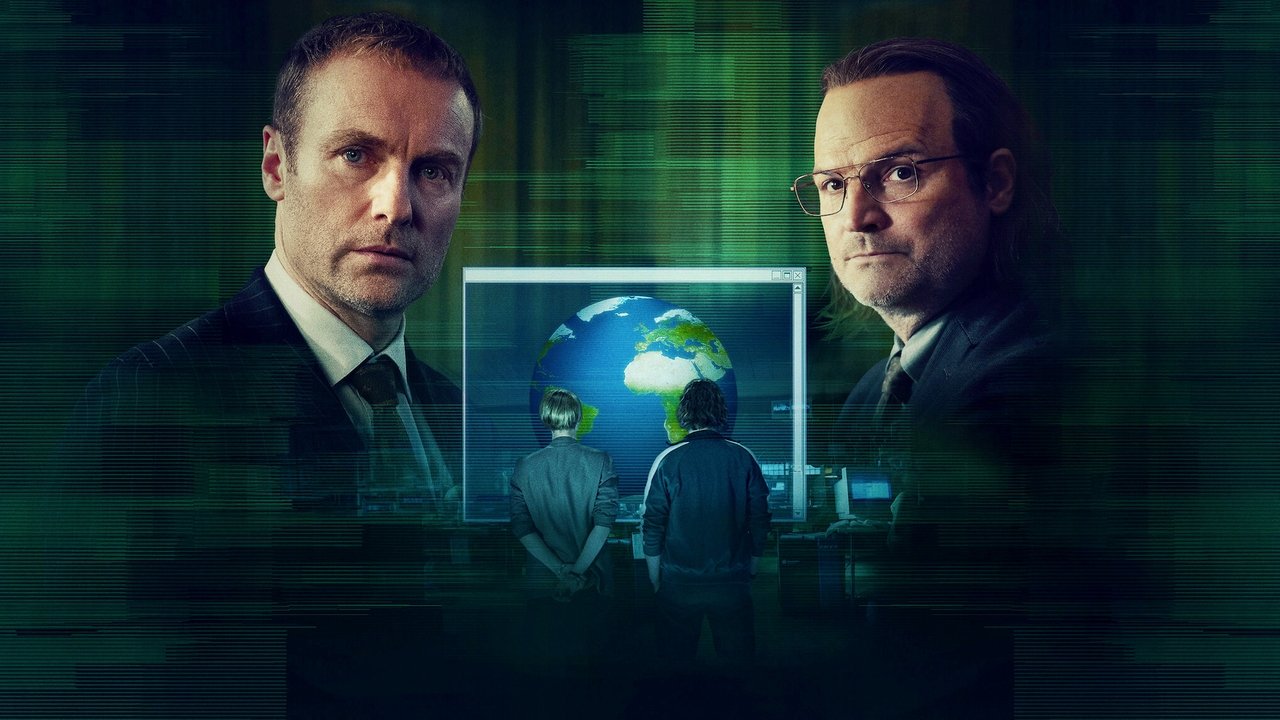
What follows is a decades-spanning battle against Google, which they accuse of stealing their idea to build Google Earth. The series toggles between the 1990s and the 2010s, where an older Carsten and Juri (now played by Mark Waschke and Mišel Matičević) prepare for their day in court. The structure is smart—it lets us see how time warps ambition into regret, how the thrill of creation curdles into the grind of litigation.
"A gripping tech drama based on true events, elevated by strong performances but occasionally weighed down by pacing issues."
Viewers appreciate the series for its compelling portrayal of a real-life legal battle over technology, praising the performances and the way it blends drama with tech industry intrigue. latestnetflix.com's read is that however, some find the pacing uneven, with slower moments that detract from the overall tension, and a few note that the courtroom scenes feel overly dramatized compared to the more grounded tech development segments.
Netflix’s The Billion Dollar Code (2021) isn’t just a courtroom thriller—it’s a rare tech-world biopic that blends real-life legal battles with the high-stakes drama of innovation. The German miniseries, which scored a 7.5/10 on SensCritique  , dramatizes the true story of ART+COM, a Berlin-based collective that accused Google of stealing their pioneering mapping technology in the 1990s. latestnetflix.com's view is that but how much of the on-screen fireworks matches reality?And what did the cast bring to the table?
Leonard Scheicher, who plays protagonist Carsten Schlüter, is no stranger to intense roles—his credits include the submarine drama Das Boot . But The Billion Dollar Code demanded something different: capturing the obsessive, caffeine-fueled energy of a young programmer in the early days of the internet. In interviews, Scheicher and co-stars Marius Ahrendt (Juri Müller) and Lavinia Wilson (Hanna) hinted at the challenges of portraying real people still alive today. "We had to balance authenticity with drama," Wilson noted in a Netflix interview, though specifics about their research process remain scarce .
Mark Waschke, who plays the older Schlüter, brought gravitas to the courtroom scenes, while Mišel Matičević’s portrayal of Google’s legal team added a layer of corporate menace. The ensemble’s chemistry—especially in the tense, dialogue-heavy trial sequences—helped sell the series’ blend of tech jargon and personal stakes .
The series’ central question—did Google rip off ART+COM’s "Terravision" technology?—is still debated. The Billion Dollar Code leans into the underdog narrative, portraying Google as a ruthless giant crushing a scrappy startup. But reality is messier. A YouTube deep dive into the case suggests that while ART+COM’s technology was groundbreaking, Google’s eventual product (Google Earth) evolved independently . The series compresses timelines and amps up the drama, but the core conflict—whether Silicon Valley’s "move fast and break things" ethos tramples small innovators—resonates.
One standout scene, a fiery courtroom exchange where Schlüter accuses Google of theft, went viral for its raw intensity . But how much of it was scripted vs. improvised? The evidence doesn’t say. What’s clear is that the series’ creators took liberties to heighten the emotional stakes, even if the legal outcome (a settlement, not a courtroom victory) was less cinematic .
The Billion Dollar Code wasn’t just a hit with general audiences—it struck a chord with developers. YouTube videos like "If You Love Programming, Go Watch This" praised the series for its surprisingly accurate portrayal of coding culture, from late-night debugging sessions to the euphoria of a breakthrough. The show’s depiction of 1990s tech—clunky hardware, dial-up modems, and the sheer effort of rendering 3D maps—felt nostalgic to older programmers and eye-opening to younger ones.
That authenticity likely stems from the real ART+COM team’s involvement. While the series doesn’t credit specific consultants, the attention to detail (like the use of actual Terravision demo footage) suggests a concerted effort to ground the story in reality .
With only four episodes, The Billion Dollar Code avoids the bloat of many miniseries. Its tight runtime, strong performances, and willingness to tackle complex themes (intellectual property, corporate ethics) make it stand out. That said, the evidence leaves gaps: How much creative license did the writers take? Were the real ART+COM members happy with the portrayal? And why hasn’t the series sparked more mainstream buzz outside tech circles?
For now, The Billion Dollar Code remains a cult favorite—a gripping, if imperfect, snapshot of a David-and-Goliath battle that still echoes in today’s tech wars.
Entertainment rumors and trivia aggregated from public reporting. Treat speculation as unverified unless a cited source confirms it.
Series
Related series ranked by rating and popularity.