Mikako Tabe
Kaoru (voice)

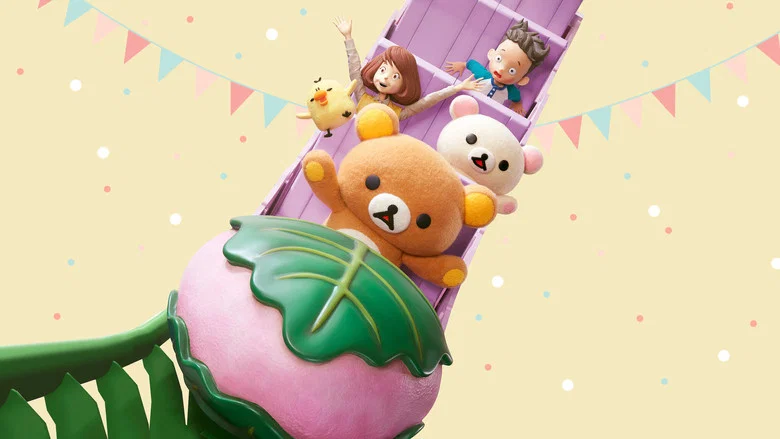
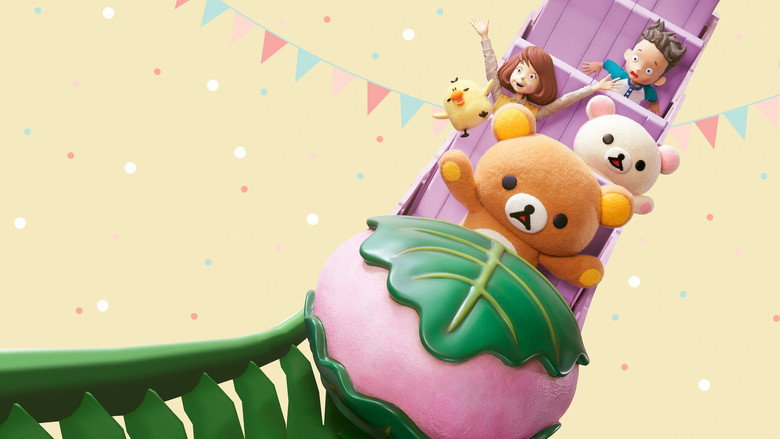
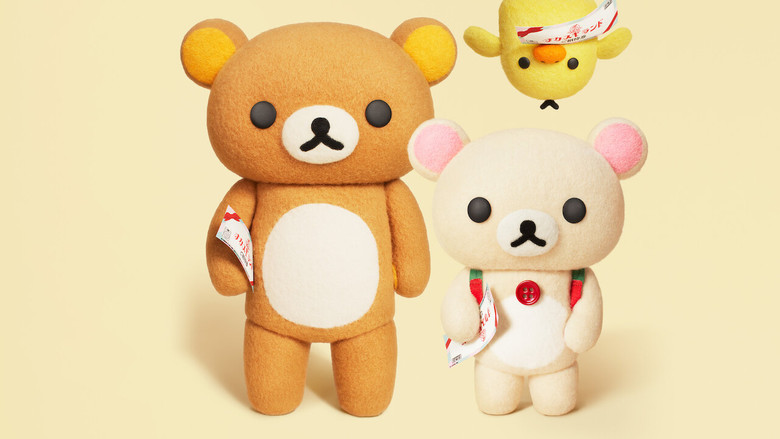
Rilakkuma, Korilakkuma, Kiiroitori, and Kaoru are off on an adventure to the theme park, but with closing time imminent it leads to a series of fun mishaps and incidents as the group squeeze a day of fun into tiny amount of time.
Official
I’ve always thought theme parks are the closest thing we have to controlled chaos—a place where the rules of the outside world are suspended, if only for a few hours. Rilakkuma’s Theme Park Adventure understands this instinctively. It’s not just a series about a bear and his friends racing against the clock to squeeze in one last ride before closing time; it’s a gentle manifesto on the art of play, the weight of routine, and the small rebellions that keep us human.
The premise is deceptively simple: Rilakkuma, the perpetually relaxed bear; Korilakkuma, his mischievous little counterpart; Kiiroitori, the neurotic chicken; and Kaoru, the overworked office lady, find themselves in a theme park with the sun already dipping below the horizon. The park is closing, the lights are flickering on, and the staff are ushering visitors toward the exits.
But our quartet? They’re not ready to leave. What follows is a series of vignettes—some slapstick, some tender, all rooted in the quiet defiance of refusing to let the day end just yet.
There’s something deeply relatable about this setup, especially for anyone who’s ever felt the crushing weight of adulthood’s relentless schedule. Kaoru, the only human in the group, is the most obvious stand-in for that exhaustion. She’s the one who’s probably spent her day answering emails, nodding through meetings, and counting down the minutes until she can collapse onto her couch.
The theme park, for her, isn’t just a place of fun—it’s a rare pocket of time where she’s allowed to be something other than an office drone. The series doesn’t belabor this point, but it’s there in the way she hesitates before joining in on the chaos, as if she’s forgotten how to let go. (I’ve been there.
I think we all have.)
What’s striking about Rilakkuma’s Theme Park Adventure is how it balances whimsy with melancholy. The animation is soft and rounded, the kind of visual language that immediately signals "comfort" to the viewer. The colors are warm, the movements fluid, and the world feels like a hug.
But beneath that cozy surface, there’s a current of something more bittersweet. The theme park, after all, is a place of temporary escape. The rides will stop, the lights will go out, and the characters will have to return to their lives.
The series never lets you forget that—even in its most joyful moments, there’s a sense of time slipping away.
This tension between play and responsibility is what gives the series its emotional core. Rilakkuma, with his perpetually half-lidded eyes and laid-back demeanor, is the embodiment of unapologetic leisure. He’s not just a bear; he’s an idea—the part of us that wants to nap in the sun instead of folding laundry, that would rather eat cake for dinner than cook a "proper" meal.
Korilakkuma, on the other hand, is pure id, a whirlwind of energy and mischief. Together, they represent the push and pull of adulthood: the part of you that wants to be responsible and the part that wants to throw caution to the wind.
The series’ greatest strength is its refusal to moralize. It doesn’t suggest that Kaoru needs to quit her job and live in a theme park forever, nor does it imply that Rilakkuma’s laziness is the key to happiness. Instead, it presents these different ways of being as equally valid, even if they’re in constant tension.
The theme park becomes a liminal space where these contradictions can coexist, if only for a little while.
That said, Rilakkuma’s Theme Park Adventure isn’t without its flaws. The series is episodic in the truest sense—each installment feels like a self-contained adventure, which is charming but also means there’s little in the way of overarching narrative. If you’re looking for a tightly plotted drama, this isn’t it.
But if you’re willing to surrender to the rhythm of its vignettes, there’s a quiet magic in the way it unfolds. It’s the kind of show that doesn’t demand your attention so much as it invites you to slow down and savor the small moments.
The voice cast deserves special mention, particularly Mikako Tabe as Kaoru. There’s a weariness in her performance that feels authentic, but also a warmth that makes you root for her. The rest of the cast—Reina Ueda as Korilakkuma, Wataru Takagi as Kiiroitori, and the others—bring a playful energy that matches the series’ tone perfectly.
It’s clear that everyone involved understands the assignment: this is a story about the universal need for joy, even in the face of life’s relentless march forward.
In the end, Rilakkuma’s Theme Park Adventure is a love letter to the idea that play isn’t just for children. It’s a reminder that even in a world that demands productivity and efficiency, there’s value in stopping to ride the teacups one more time. The series doesn’t offer grand revelations or dramatic twists, but it doesn’t need to.
Its power lies in its simplicity—in the way it captures the fleeting, fragile beauty of a moment stolen from the jaws of responsibility.
I walked away from it feeling lighter, as if I’d just spent an evening in that theme park myself. And maybe that’s the point. Sometimes, all you need is a little bear in a blue shirt to remind you that it’s okay to linger.
"A charming, visually delightful adventure that captures the whimsy of Rilakkuma but is lightweight."
The series has vibrant animation and endearing characters, especially Rilakkuma and his friends. The lighthearted tone and playful storytelling make it an enjoyable watch for fans of the franchise. The plot is thin and the humor simplistic, though, so it plays as a casual, episodic experience rather than a deep narrative.
Rilakkuma’s Theme Park Adventure (2022) brought the beloved San-X characters to life in a whirlwind miniseries set in a closing amusement park. While the show’s charm lies in its simple premise—Rilakkuma, Korilakkuma, Kiiroitori, and Kaoru racing against time to enjoy a theme park before it shuts down—details about its production remain scarce. latestnetflix.com's read is that still, the available evidence offers a glimpse into the voice cast’s roles and the series’ structure.
The series features a star-studded Japanese voice cast, with each actor lending their talents to the core characters and supporting roles. According to sources, Mikako Tabe voices Kaoru, the human protagonist, while Reina Ueda takes on the role of Suzume, another key character. Soki Matsumoto and Yuna Aoi voice Tokio and Emiri, respectively, rounding out the main ensemble.
The supporting cast includes veteran voice actors like Wataru Takagi as the Park Director and Hitomi Nabatame as Makiko. Madoka Shiga and Chihaya Terasaki also contribute, though their specific roles—beyond Tatsuya and Pierrot—aren’t fully detailed in the available snippets. Notably, the English dub features Lizzie Freeman, Abby Trott, and Ryan Colt Levy, though their roles aren’t specified in the retrieved evidence.
The series consists of eight episodes, each likely packed with the chaotic energy of a theme park on its final day. Descriptions emphasize the characters’ frantic attempts to squeeze in as much fun as possible before closing time, a premise that aligns with Rilakkuma’s laid-back yet mischievous personality. However, details about the writing process, directors, or behind-the-scenes challenges remain unconfirmed in the available evidence.
With so little official information, fans have speculated about potential cameos or Easter eggs tied to San-X’s broader universe. Some wonder if the amusement park setting was inspired by real-life locations, though no evidence supports this. The series’ Netflix release suggests a global push for the franchise, but specifics about marketing strategies or audience reception are absent from the snippets.
Rilakkuma’s Theme Park Adventure delivers exactly what fans expect: a cozy, episodic adventure with the iconic characters. Yet, the lack of behind-the-scenes details leaves much to the imagination. For now, the focus remains on the voice cast’s contributions and the series’ lighthearted premise—perfect for a quick binge.
Entertainment rumors and trivia aggregated from public reporting. Treat speculation as unverified unless a cited source confirms it.
More titles in the same genres and with the same cast.