The Invisible War: How Ingress: The Animation Turns a Mobile Game Into a Battle for the Mind
I’ll admit it: I went into Ingress: The Animation expecting a glorified ad for a mobile game. That’s the baggage of any adaptation born from an augmented-reality app—especially one as ubiquitous as Ingress, the Niantic predecessor to Pokémon GO. But what unfolds over its single, the episode count season is something stranger and more ambitious than I anticipated.
This isn’t just a story about factions fighting over a mysterious substance; it’s a war waged in the cracks of perception itself, where the real battleground isn’t the streets of Tokyo, but the human mind.
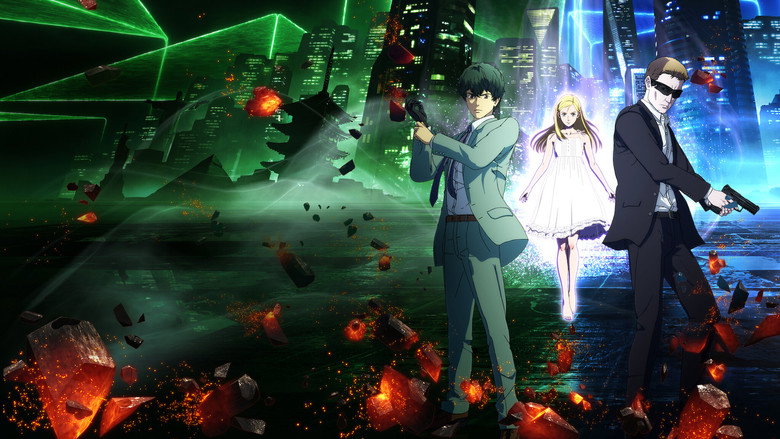
The premise is deceptively simple. Scientists discover a substance called "Exotic Matter" (or XM), a glowing, otherworldly energy that can manipulate cognition. Two factions emerge: the Enlightened, who believe XM is a tool for evolution, and the Resistance, who see it as a threat to free will.
The series follows a rotating cast of operatives—hackers, scientists, soldiers—as they clash in a shadow war that blurs the line between reality and illusion. It’s Snow Crash meets Ghost in the Shell, but with the added twist that the entire conflict is, in a way, a game. The characters aren’t just fighting for control of XM; they’re playing by rules set by an unseen system, one that feels eerily like the algorithms governing our own digital lives.
What’s striking about Ingress is how it translates the mechanics of its source material into narrative stakes. The mobile game Ingress is built around capturing real-world locations, turning parks and landmarks into virtual battlegrounds. The animated series does something similar, but with a psychological edge.
The portals that characters fight over aren’t just physical structures; they’re conduits for XM, and controlling them means controlling the thoughts and memories of those nearby. In one early episode, a Resistance operative infiltrates an Enlightened stronghold, only to realize too late that the entire facility is a construct of XM—an illusion designed to trap her mind. The sequence is a masterclass in tension, not because of the action (though there’s plenty of that), but because of the creeping dread of losing agency.
The series asks: What happens when the world around you is rewritten?
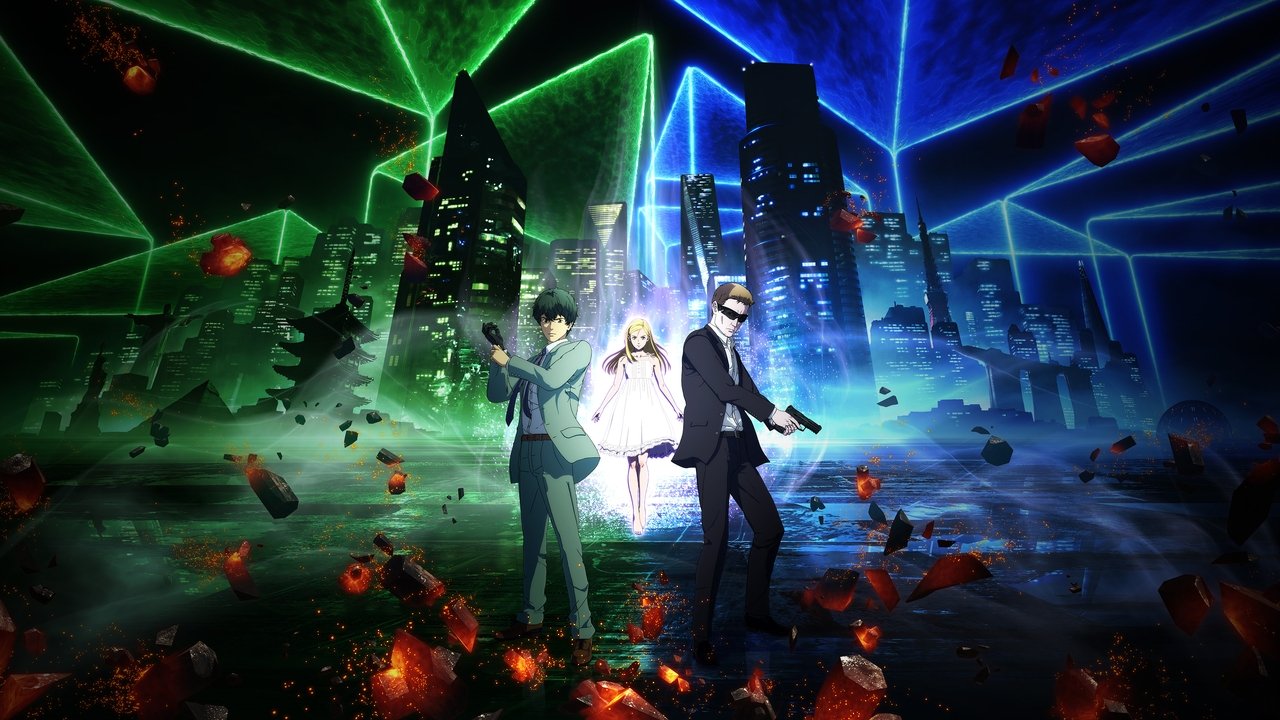
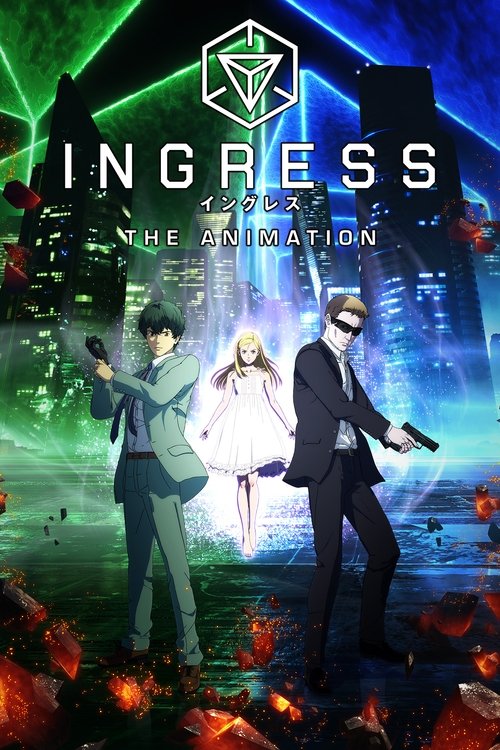
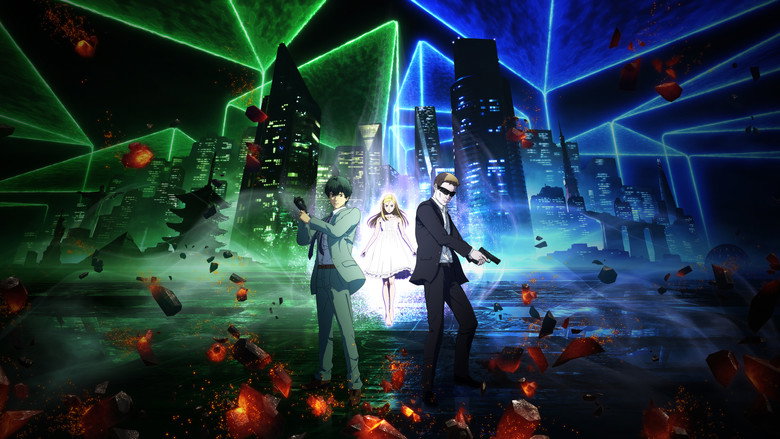
That question lingers in every frame, thanks to a visual style that feels like a cross between cyberpunk anime and a fever dream. The animation is sleek and fluid, with a color palette that oscillates between the cold blues of corporate dystopia and the sickly greens of XM’s unnatural glow. The character designs are sharp, if not particularly distinctive—think Psycho-Pass meets Deus Ex—but the real star is the way the series uses space.
Scenes often unfold in long, unbroken takes, forcing the viewer to linger in the uncanny valley of XM’s influence. In one standout moment, a character walks through a city street that slowly distorts around them, buildings warping like reflections in a funhouse mirror. It’s a simple effect, but it sells the horror of losing grip on reality.
The series’ biggest weakness, however, is its pacing. With only the episode count, Ingress struggles to give its large ensemble the depth they deserve. Characters like Sarah, a Resistance hacker with a tragic past, and Christopher, an Enlightened scientist questioning his faction’s methods, are compelling on paper, but their arcs often feel rushed.
The show’s structure—rotating perspectives between operatives—gives it a kinetic energy, but it also means some threads are abandoned just as they start to get interesting. (I’m still thinking about a subplot involving a rogue AI that gets dropped after two episodes.) It’s a shame, because the few moments where the series slows down to explore its themes—like a quiet conversation between two operatives about whether XM is a gift or a curse—are its most resonant.
The critical reception to Ingress: The Animation has been muted, at least from what little discourse is available. SensCritique’s modest 5.8/10 rating suggests it didn’t leave a strong impression on viewers, and YouTube commentary—like the "WATCH or NOT" series—implies it’s a niche offering, even on Netflix, where it’s been largely overlooked. That’s a shame, because while Ingress may not be a masterpiece, it’s far more interesting than its origins might suggest.
It’s a rare adaptation that doesn’t just borrow the trappings of its source material but interrogates its core mechanics. The mobile game Ingress is, at its heart, about control—capturing territory, outmaneuvering opponents, playing by rules set by an invisible system. The animated series takes that idea and runs with it, asking what happens when the game is a fight for the very fabric of reality.
That’s a question worth grappling with, especially in an era where our digital and physical lives are increasingly intertwined. Ingress: The Animation may not have the polish of its cyberpunk forebears, but it’s got something just as valuable: a willingness to look at the screen and ask who’s really pulling the strings. And in a landscape where so many adaptations feel like they’re playing it safe, that’s a risk worth taking.
Audience Opinions
Audience 5.8/10
"A visually striking but uneven sci-fi anime that struggles to balance its ambitious premise with coherent storytelling."
The series stands out for its aesthetic and an intriguing sci-fi concept that blends action and mystery. The plot is confusing and the pacing inconsistent, which can frustrate despite the stylish presentation. Voice acting and animation are clear strengths, but the story's execution often falls short.
What viewers praise
Visually striking animationA distinctive visual style that strengthens the sci-fi atmosphere.
Intriguing sci-fi premiseThe concept and world-building offer a fresh take on the genre.
Strong voice actingSolid performances add depth to the characters.
Common complaints
Confusing plotThe storyline is hard to follow, with unclear explanations and disjointed threads.
Inconsistent pacingSome episodes feel rushed while others drag.
Underdeveloped charactersDespite strong voice acting, some characters lack depth, making them hard to connect with.
Recommended for
Sci-fi anime fans Fans of unique visual styles Lovers of mystery-driven plots Action and fantasy enthusiasts
Buzz & Rumors
Public reports
Netflix’s Sci-Fi Sleeper: The Untold Story Behind Ingress: The Animation
Ingress: The Animation (2018) arrived on Netflix with little fanfare, but its ties to the global augmented-reality game Ingress and its cult following have kept it in the conversation years later. latestnetflix.com's take is that while the series flew under the radar for many anime fans, its production and reception reveal a project caught between niche appeal and mainstream ambition.
A Game-Based Anime with a Mysterious Origin
The series is a direct adaptation of Niantic’s Ingress, the mobile AR game that laid the groundwork for Pokémon GO. Unlike typical game-to-anime transitions, Ingress: The Animation wasn’t just a promotional tie-in—it expanded the game’s lore with original characters and a self-contained sci-fi thriller. The anime follows Makoto Midorikawa, a physicist who stumbles upon a mysterious substance called "Exotic Matter" (XM) that blurs the line between reality and a hidden conflict between two factions, the Enlightened and the Resistance.
What’s striking is how little is known about its production. No director or showrunner has been officially credited in available sources, leaving fans to speculate about the creative forces behind it. The cast, however, includes notable Japanese voice actors like Megumi Ogata (Sailor Moon, Neon Genesis Evangelion) and Kohsuke Toriumi (Bleach, Attack on Titan), suggesting a push for quality performances despite the series’ modest budget.
Mixed Reception and Netflix’s Overlooked Gamble
Ingress: The Animation premiered on Netflix in 2018, but its reception was lukewarm. SensCritique users rated it 5.8/10, citing uneven pacing and a convoluted plot. Some reviewers argued the anime struggled to balance its game roots with a compelling standalone story. One YouTube critic called it "Netflix’s most overlooked anime," praising its ambitious sci-fi themes but criticizing its execution as "too dense for casual viewers".
Yet, the series found a niche audience. Fans of the Ingress game appreciated its deep dive into the game’s mythology, while anime viewers intrigued by its cyberpunk aesthetic gave it a second look. A review video titled "WATCH or NOT" framed it as a "hidden gem for sci-fi fans," though it acknowledged the series’ flaws, like underdeveloped side characters.
Behind the Scenes: Rumors and Unanswered Questions
The lack of official behind-the-scenes details has fueled speculation. Some fans theorize that the anime’s rushed production led to its narrative shortcomings, while others suggest it was always intended as a limited experiment rather than a long-running franchise. A trailer breakdown video noted the series’ high-concept premise but questioned whether it was "too ambitious for its own good".
One unverified rumor circulating in anime forums claims that Niantic initially planned a second season but shelved it due to the mixed reception. However, no official statement has confirmed this, leaving the series’ future in limbo.
Why It Still Matters
Despite its flaws, Ingress: The Animation remains a fascinating case study in transmedia storytelling. It’s one of the few anime directly tied to an AR game, predating the boom of mobile gaming adaptations. Its blend of sci-fi intrigue and real-world conspiracy theories also sets it apart from typical action anime.
For fans of the Ingress universe, the series is a rare expansion of the game’s lore. For everyone else, it’s a curious footnote in Netflix’s anime catalog—one that might have been forgotten if not for its dedicated, if small, fanbase.
Entertainment rumors and trivia aggregated from public reporting. Treat speculation as
unverified unless a cited source confirms it.
Related series
More titles in the same genres and with the same cast.