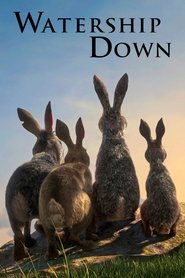
Season 1
2 episodes Dec 22, 2018 10.0
Fleeing their doomed warren, a colony of rabbits struggle to find and defend a new home.
- 1 The Journey and the Raid
- 2 The Escape and the Siege

Fleeing their doomed warren, a group of rabbits struggle to find and defend a new home.
Latest episode: S1 E2 The Escape and the Siege (Dec 23, 2018)
Fleeing their doomed warren, a colony of rabbits struggle to find and defend a new home.
Official
I remember the first time I read Watership Down—not the 2018 miniseries, but the book, tucked under a blanket in a house that felt too quiet. Richard Adams’ novel wasn’t just a story about rabbits; it was a fable about displacement, about the terror of losing home and the fragile hope of building something new. The 2018 adaptation, a four-part animated miniseries co-produced by the BBC and Netflix, carries that weight, but it does something else too: it forces us to look at the storm before the rabbits even realize it’s coming.
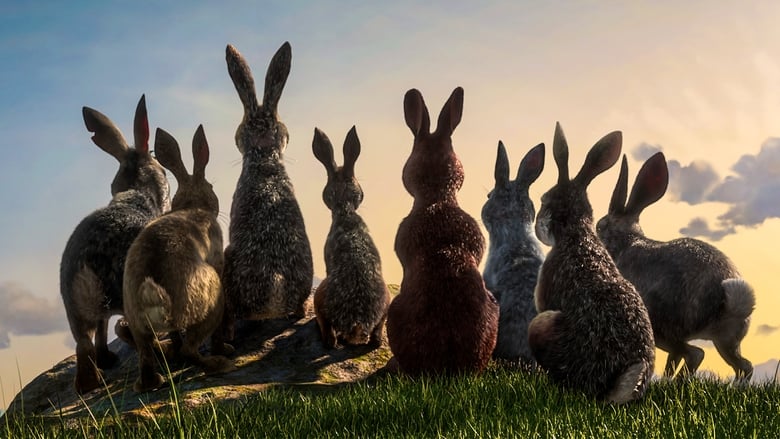
The opening sequence is a masterclass in dread. The camera lingers on the warren, a labyrinth of tunnels and roots, while the rabbits go about their lives—grooming, playing, nibbling clover. It’s idyllic, almost pastoral, until the vision hits.
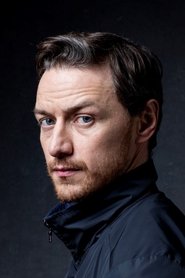
Fiver (Nicholas Hoult), the runt with the gift of prophecy, sees blood and fire in the fields. His brother Hazel (James McAvoy) believes him, but the others? They dismiss it as hysteria.
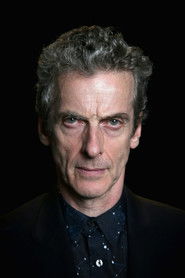
The warren’s leader, a smug, authoritarian rabbit named Threarah (Peter Capaldi), scoffs at the idea of leaving. "We’ve always been here," he says, as if tradition alone could stop the bulldozers. It’s a line that lands differently now, in an era where climate disasters and forced migrations dominate the news.
The rabbits aren’t just fleeing a vague omen; they’re refugees, and the miniseries never lets us forget it.
What’s striking about this adaptation isn’t just its fidelity to the book—though it is remarkably faithful—but how it translates Adams’ themes into visual language. The animation is lush but never saccharine, with a painterly quality that makes the English countryside feel both real and mythic. The rabbits themselves are rendered with a mix of realism and expressiveness; their fur bristles in the wind, their ears twitch at the slightest sound, and their eyes—wide, dark, and unblinking—betray a fear that words can’t always capture.
When the warren is destroyed in the second episode, the violence is sudden and brutal, but it’s the aftermath that lingers. The camera pans over the wreckage, the bodies half-buried in the mud, while the survivors stand in stunned silence. There’s no music, just the sound of the wind and the distant hum of machinery.
It’s a moment that feels ripped from a war documentary, not a children’s story.
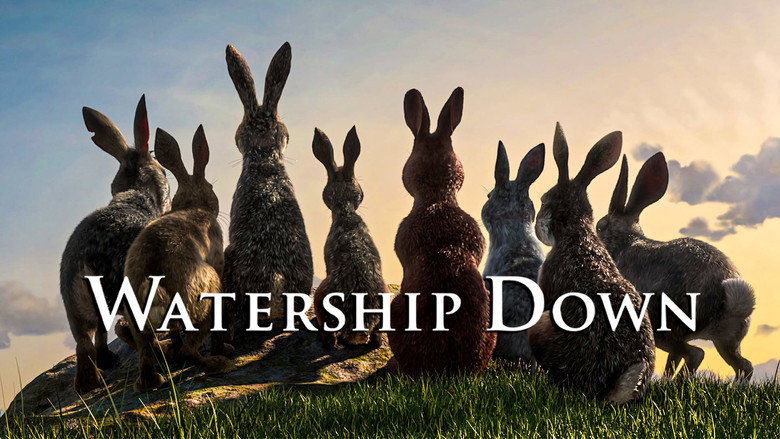
The voice cast is a who’s who of British talent, and they bring a gravitas to the material that elevates it beyond simple anthropomorphism. McAvoy’s Hazel is all quiet determination, his voice steady even when his body betrays exhaustion. Hoult’s Fiver is fragile but fierce, his prophecies delivered in a voice that trembles with urgency.
And then there’s Ben Kingsley as General Woundwort, the tyrannical leader of Efrafa, whose growl is so deep it feels like it’s coming from the earth itself. Kingsley doesn’t just play a villain; he plays a dictator, a rabbit who’s convinced that order is worth any cost. His scenes are chilling, not because he’s a monster, but because he’s terrifyingly human.
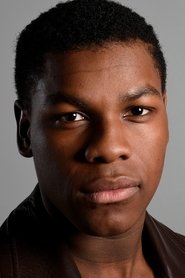
The miniseries isn’t without its flaws. At four episodes, it moves quickly, sometimes too quickly. Characters like Blackavar (Daniel Kaluuya) and Bigwig (John Boyega) are given less room to breathe than they deserve, their arcs compressed to fit the runtime.
And while the animation is beautiful, there are moments where the CGI feels a bit too smooth, the rabbits’ movements just a hair too polished for the gritty world they inhabit. (I found myself missing the rough, hand-drawn edges of the 1978 film, which felt more like a storybook come to life.)
But these are quibbles. What Watership Down does best is remind us that survival isn’t just about finding a new home—it’s about what you’re willing to sacrifice to keep it. The final episode, in which the rabbits defend their new warren from Woundwort’s army, is a masterclass in tension.
There’s no grand battle music, no heroic last stands. Just rabbits, exhausted and terrified, fighting for a patch of earth that might not even be safe. The victory, when it comes, is bittersweet.
They’ve won, but at what cost? The warren is scarred, the survivors are few, and the world outside is still dangerous. It’s a ending that feels honest, not hopeful.
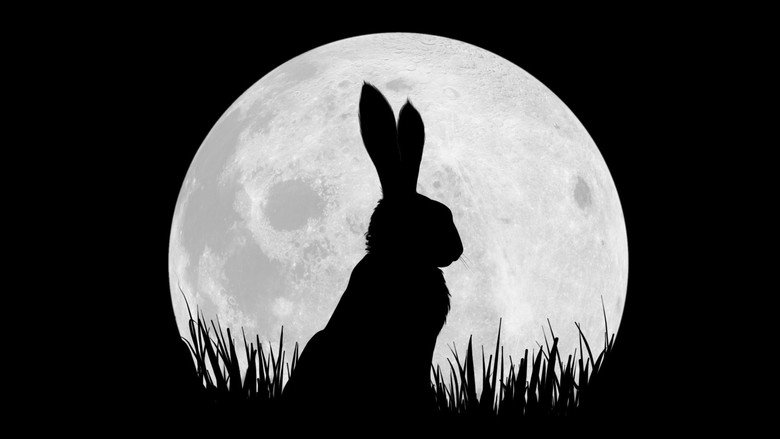
I keep thinking about that opening scene, the one where Fiver sees the destruction before anyone else. It’s a moment that resonates far beyond the story of rabbits. How many of us have ignored warnings because the alternative was too frightening to face?
How many of us have clung to the familiar, even when it was crumbling around us? Watership Down doesn’t offer easy answers. It doesn’t even offer easy comfort. What it does offer is a mirror—a chance to see ourselves in creatures who are small, but not powerless; afraid, but not broken.
The miniseries ends with Hazel, old and weary, looking out over the warren he helped build. He’s not triumphant. He’s just… alive. And in a world that often feels like it’s on the brink of collapse, that might be enough.
The 2018 adaptation of Watership Down wasn’t just another animated retelling—it was a high-profile gamble with A-list talent voicing a band of rabbits. latestnetflix.com's view is that James McAvoy, Nicholas Hoult, and John Boyega led a cast that read like a who’s-who of British acting, but the behind-the-scenes buzz was just as intriguing as the final product.
One of the biggest mysteries surrounding the 2018 miniseries is its direction. While the cast is well-documented, the creative team behind the camera remains oddly unpublicized in the available evidence. The lack of clarity has fueled speculation—was this a deliberate choice to let the story speak for itself, or did the production face last-minute changes? For now, the director’s chair is a blank spot in the series’ legacy.
McAvoy, who voiced the protagonist Hazel, dropped a cryptic hint about the production in a 2018 interview. Without spoiling specifics, he teased a "shocking" behind-the-scenes moment that allegedly rattled the cast. The details? Locked behind a vague promise of drama. Was it a technical mishap, a creative clash, or just McAvoy’s flair for hyperbole? The evidence leaves it tantalizingly open.
The 1978 animated film looms large over the 2018 version, and comparisons were inevitable. Some reviewers argued the reboot leaned harder into social commentary, framing the rabbits’ journey as an allegory for displacement and survival in a hostile world. Others dismissed it as a less visceral experience than the original. The debate raged, but one thing was clear: Netflix’s involvement meant a wider audience—and higher stakes.
With names like Rosamund Pike, Olivia Colman, and Ben Kingsley on the roster, the voice work was always going to be a draw. But how did the cast approach their roles? The evidence is silent on rehearsals or recording sessions, leaving fans to imagine Kingsley’s gravitas as General Woundwort or Colman’s warmth as Strawberry. One thing’s certain: the ensemble brought star power to a story that, at its core, is about the underdog—or under-rabbit.
For all its star power, the 2018 Watership Down remains curiously under-documented. No leaked scripts, no viral BTS moments, no director interviews. The production feels like a well-kept secret, with only the trailer and a handful of reviews offering glimpses into its making. Was this intentional, or did the project simply fly under the radar?
Entertainment rumors and trivia aggregated from public reporting. Treat speculation as unverified unless a cited source confirms it.
More titles in the same genres and with the same cast.