Season 1
13 episodes Apr 19, 2019 7.7
- 1 Cherry Blossom
- 2 Kidnapped
- 3 Rainy Season
- 4 Fireworks
- 5 Ghost Girl
- 6 Fortune-Telling
- 7 Slim Down
- 8 Getting a Job
- 9 Snowman
- 10 Hawaii
- 11 Sleepless Night
- 12 The First Day
- 13 Moving Out
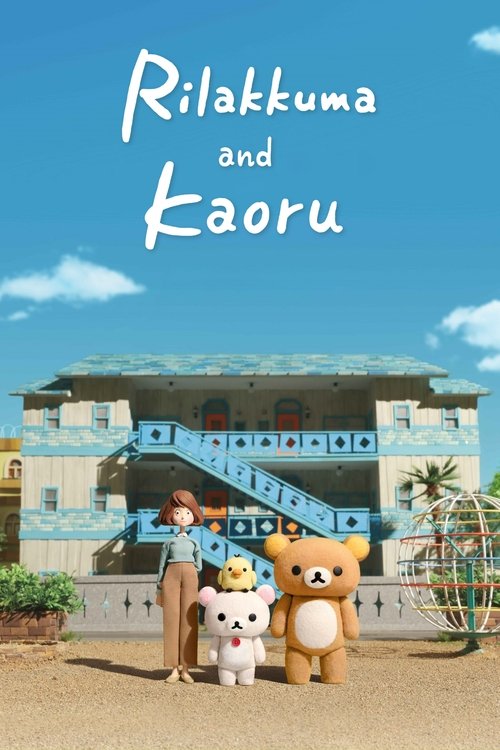
Kaoru's unexpected new roommate is Rilakkuma, a bear with a zipper on its back that spends each day just lazing around -- but is impossible to hate.
Latest episode: S1 E13 Moving Out (Jul 5, 2019)
Official
I didn’t expect to care about a bear who won’t get off the couch. But then, I didn’t expect to recognize myself in Kaoru either—25, stuck in an office job that feels like a slow-motion shrug, coming home to an apartment that’s just a slightly nicer version of the place she left that morning. Rilakkuma and Kaoru isn’t just a stop-motion series about a lazy bear and his overworked roommate; it’s a quiet, oddly profound meditation on the ways we numb ourselves to the weight of ordinary life.
And somehow, it makes that weight feel lighter. The premise is deceptively simple: Kaoru, a young office worker in Tokyo, returns home one day to find Rilakkuma—a plush, perpetually relaxed bear with a zipper on his back—lounging on her couch like he owns the place. He doesn’t talk, he doesn’t work, and he doesn’t seem to have any ambitions beyond napping, snacking, and occasionally photobombing Kaoru’s attempts to take a decent selfie.
Yet, despite his utter uselessness (or perhaps because of it), he becomes the emotional anchor of the series. The show’s genius lies in how it transforms this dynamic into something unexpectedly tender. Rilakkuma isn’t just a roommate; he’s a living, breathing (or, more accurately, not breathing) rejection of the grind that defines Kaoru’s life.
And in a culture that often equates self-worth with productivity, that’s a radical act.
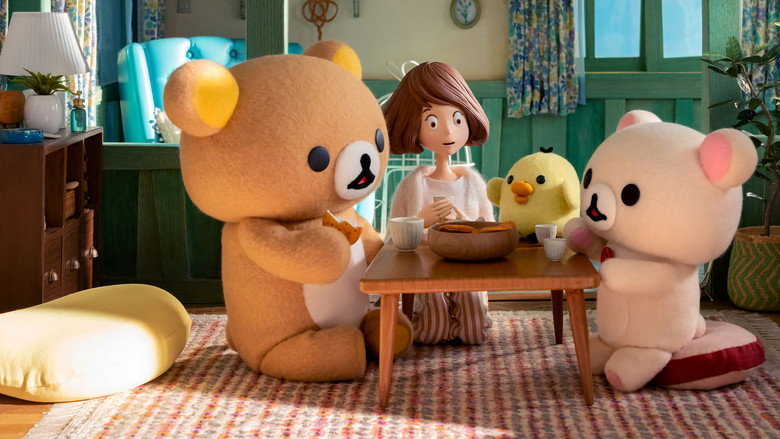
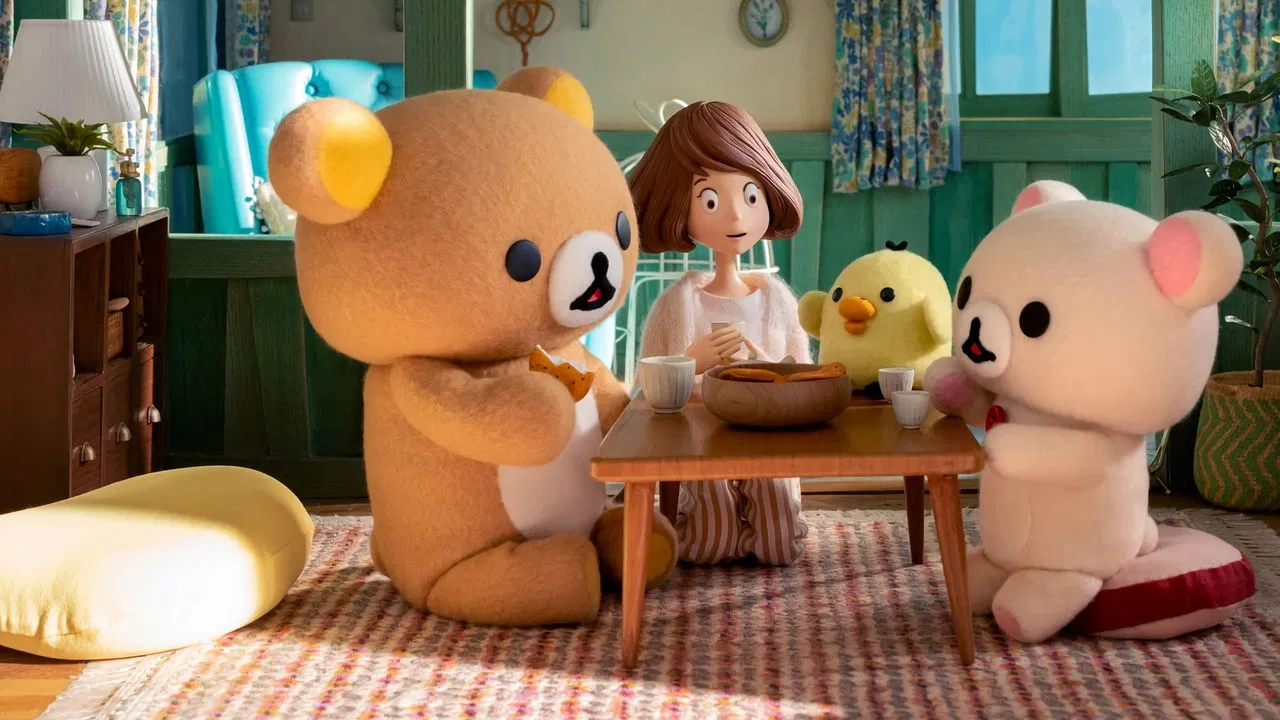
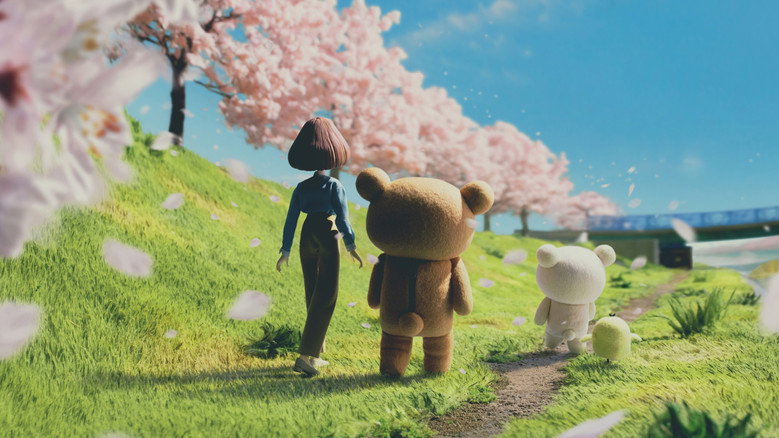
The stop-motion animation is a revelation. But the tactile, handcrafted quality of the puppets—Rilakkuma’s slightly lumpy fur, the way his ears flop when he’s particularly pleased with himself—gives the series a warmth that CGI often lacks. There’s something deeply human about the imperfections: the slight wobble of a puppet’s head, the way Kaoru’s hair sometimes looks like it’s been gently mussed by an animator’s fingers.
It’s the kind of detail that makes you forget you’re watching a constructed world. As The Verge noted in its coverage of the series, the stop-motion technique "elevates Rilakkuma from a cute mascot to a character with real presence," and it’s hard to disagree. The medium forces the show to slow down, to linger on small moments—a shared bowl of ramen, a failed attempt at baking, the way Kaoru’s posture slumps a little less when Rilakkuma is nearby.
That slowness is key. Rilakkuma and Kaoru doesn’t have a traditional plot so much as it has a rhythm, one that mirrors the ebb and flow of Kaoru’s emotional state. Some episodes feel like vignettes: Kaoru tries (and fails) to teach Rilakkuma how to use chopsticks; she brings him to a company picnic, where he charms her coworkers by doing absolutely nothing; she attempts to clean her apartment, only to be thwarted by Rilakkuma’s sheer, unmovable bulk.
Other episodes dig deeper into her frustrations—her strained relationship with her mother, her exhaustion at work, her quiet longing for something more. But even at its most melancholic, the show never tips into cynicism. There’s a gentle optimism here, a belief that small joys—like the perfect cup of tea or a bear who refuses to leave your side—can be enough.
Take the episode where Kaoru’s boss assigns her a last-minute project, forcing her to cancel plans with her friends. She comes home defeated, only to find Rilakkuma has "helped" by covering her entire apartment in sticky notes—each one a tiny, nonsensical doodle of his face. At first, she’s furious.
Then, she starts laughing. It’s a small moment, but it encapsulates the show’s philosophy: life is messy, work is exhausting, and sometimes the only way to cope is to find humor in the chaos. The scene doesn’t resolve Kaoru’s problems, but it gives her (and the viewer) permission to breathe.
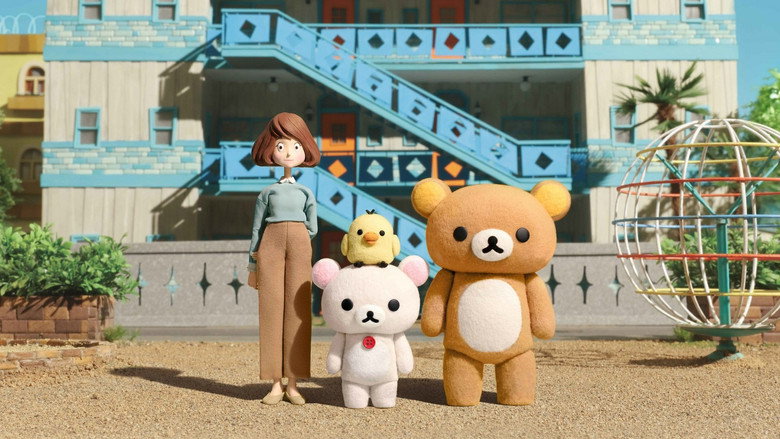
What’s striking is how Rilakkuma and Kaoru manages to be both deeply Japanese and universally relatable. The show’s depiction of office culture—Kaoru’s passive-aggressive coworkers, her overbearing boss, the way her personal life is constantly encroached upon by work—feels specific to Japan’s notoriously grueling work environment. Yet the core of the story—loneliness, the search for meaning in routine, the need for connection—transcends borders.
Rilakkuma himself is a masterclass in nonverbal communication. He doesn’t speak, but his body language says everything: the way he flops onto Kaoru’s lap when she’s sad, the way he "helps" by making everything worse, the way he just exists in her space, a constant, comforting presence. In a world where so much of our communication is performative—curated for social media, optimized for productivity—Rilakkuma’s sheer, unapologetic laziness is a balm.
That said, the show isn’t without its flaws. Some episodes feel more like extended gags than meaningful storytelling, and the supporting characters—Kaoru’s friends, her coworkers—are thinly sketched, existing mostly to react to Rilakkuma’s antics. But these are minor quibbles. Rilakkuma and Kaoru isn’t trying to be a grand, sweeping narrative.
It’s a series about the quiet moments in between, the ones we usually rush past in our hurry to get somewhere else. And in that, it succeeds beautifully. The final episode is a masterstroke.
Kaoru, after a particularly rough day at work, comes home to find Rilakkuma missing. She searches the apartment, growing increasingly frantic, only to discover him in the most unlikely place: her bathtub, fully clothed, soaking in a bubble bath like it’s the most natural thing in the world. She joins him, and for a moment, they just sit there, the steam rising around them.
It’s silly. It’s absurd. And it’s perfect.
Because in that moment, Kaoru isn’t an office worker, or a daughter, or a friend—she’s just a person, sharing a bathtub with a bear who refuses to take life too seriously.
I keep thinking about that scene. Not because it’s dramatic or groundbreaking, but because it’s real. How many of us have had moments like that—moments where we let go, even just for a little while, and remember that life isn’t just about the grind? Rilakkuma and Kaoru doesn’t offer solutions to the exhaustion of modern life.
It doesn’t need to. Sometimes, all you need is a bear who won’t leave your couch, a bathtub full of bubbles, and the reminder that it’s okay to slow down.
"A charming and visually delightful stop-motion series that offers comfort and nostalgia, though its simplicity may not appeal to everyone."
The stop-motion animation stands out, and the series has a soothing, comforting atmosphere that mixes everyday life with whimsical characters. Gentle humor and the relatable struggles of the protagonist, Kaoru, make it a relaxing watch. The pacing is slow and the plot simple, though, so it lacks depth for anyone seeking more complex storytelling.
Netflix’s Rilakkuma and Kaoru (2019) was a gamble: a stop-motion adaptation of San-X’s beloved Rilakkuma plush franchise, reimagined as a slice-of-life dramedy for adults. The series, directed by Aki Kondo and Masahito Kobayashi, followed office worker Kaoru (Mikako Tabe) as she navigated stress, loneliness, and the surreal antics of her lazy bear roommate, Rilakkuma. latestnetflix.com's view is that while the show earned praise for its visual craftsmanship, it also sparked debate—particularly over its protagonist’s relatability and the tonal shift from the source material.
Rilakkuma and Kaoru stood out in Netflix’s anime lineup for its painstaking stop-motion animation, a rarity for a series of its length (13 episodes, per). The creators, in an interview tied to the show’s release, revealed the process was as labor-intensive as it looked. "We wanted to preserve the tactile feel of the original Rilakkuma plushies," one creator said in a Netflix promotional feature. The team built full-scale sets and puppets, with Rilakkuma’s fur reportedly requiring hours of grooming between takes.
The decision to center the story on Kaoru—a 25-year-old office worker drowning in mundane frustrations—was deliberate. "We wanted to explore the quiet struggles of adulthood," the creators noted. But the choice to pair her with a silent, bear-shaped enigma (voiced only by sound effects) added a surreal layer. The contrast between Kaoru’s grounded, often exasperated narration and Rilakkuma’s whimsical detachment became the show’s defining dynamic.
Despite its visual charm, Rilakkuma and Kaoru faced criticism for its protagonist. A vocal subset of fans argued Kaoru was "unlikable" or "too negative," with one YouTube reviewer calling her "the embodiment of millennial burnout we’re all tired of seeing". The complaint wasn’t just about her personality—it was about the show’s tonal balance. Rilakkuma’s childlike antics (like napping in a rice cooker or hijacking Kaoru’s futon) clashed with her existential dread, leaving some viewers frustrated.
Others defended the series as a refreshing departure from the saccharine Rilakkuma spin-offs of the past. "It’s not a kids’ show," one creator insisted in the Netflix interview. "We wanted to reflect the way adults actually interact with stress—and how absurdity can be a coping mechanism."
The series earned a respectable 7.3/10 on SensCritique, with praise for its animation and nostalgic appeal. Yet, despite the buzz, Netflix hasn’t announced a renewal. Rumors swirled about behind-the-scenes challenges—stop-motion’s slow production pace and high costs may have played a role—but nothing was confirmed. For now, Rilakkuma and Kaoru remains a one-season experiment, beloved by some and polarizing to others.
Entertainment rumors and trivia aggregated from public reporting. Treat speculation as unverified unless a cited source confirms it.
More titles in the same genres and with the same cast.