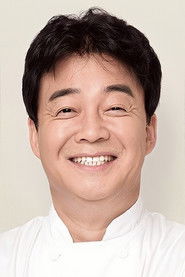
Paik Jong-won
Self - Presenter

A delicious deep dive into Hanwoo explores the rich history and unique traditions of Korean beef, an unrivaled staple loved from head to tail.
I’ll admit it: when I first heard about Hanwoo Rhapsody, I assumed it would be a niche documentary for foodies or agricultural policy wonks. A deep dive into Korean cattle farming? Even the title—rhapsody—sounded like a stretch, as if someone had tried to jazz up a livestock manual.
But after two episodes, I found myself unexpectedly absorbed, not just by the subject matter, but by what it revealed about how we assign value to the things we eat, and how those things, in turn, shape us.
The series centers on Hanwoo, a breed of cattle native to Korea, prized for its marbled beef and elevated to near-mythic status in Korean cuisine. It’s the kind of ingredient that appears on menus with reverential descriptions—"1++ grade," "grass-fed," "aged to perfection"—as if the cow itself were a work of art. Hanwoo Rhapsody doesn’t just accept this reverence at face value; it digs into the labor, tradition, and even the contradictions behind it. The result is less a promotional piece for Korean beef and more a meditation on how food becomes culture, and how culture, in turn, becomes commerce.
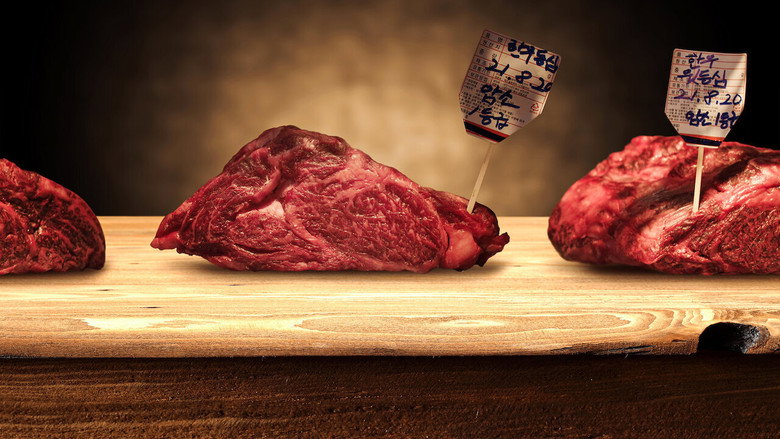
What’s striking about the series is how it balances the pastoral and the industrial. One moment, you’re watching a farmer gently brush a cow’s coat, the camera lingering on the animal’s calm, almost regal demeanor. The next, you’re in a bustling market, where butchers wielding cleavers slice through cuts of meat with practiced precision.
The contrast isn’t jarring—it’s deliberate. Director Baek Heon-seok seems to be asking: How do we reconcile the romance of tradition with the realities of modern farming? The answer, if there is one, lies in the hands of the people who raise, slaughter, and prepare the beef.
Their stories are the heart of the series, and they’re told with a quiet respect that never veers into sentimentality.
Paik Jong-won, the celebrity chef and restaurateur who serves as the series’ on-screen guide, is an inspired choice. Known in Korea for his approachable, no-nonsense cooking shows, Paik brings a warmth to the proceedings that keeps the documentary from feeling too clinical. He’s not just a talking head; he’s a participant, rolling up his sleeves in kitchens and farms, tasting, questioning, and occasionally grimacing at the less glamorous aspects of beef production.
His presence bridges the gap between the agricultural world and the culinary one, making the series accessible to viewers who might not otherwise care about livestock grading systems. (I, for one, had never given much thought to the difference between "1+" and "1++" beef before this.)
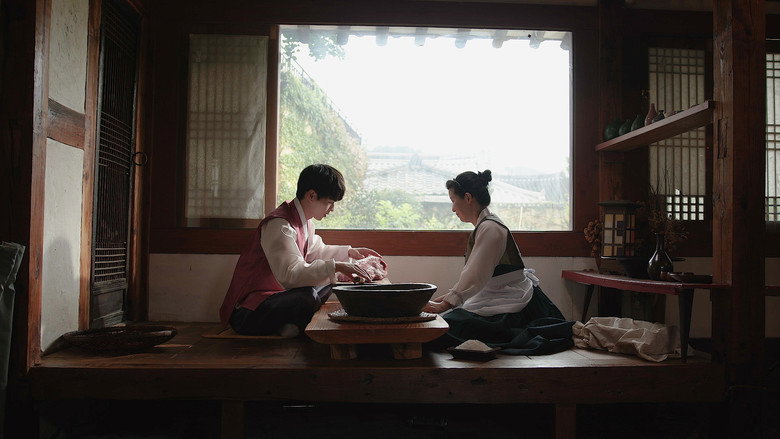
The series’ most compelling moments come when it zooms in on the people behind the beef. There’s the farmer who treats his cows like family, naming each one and insisting they’re happier in his care than they’d be in a factory farm. There’s the butcher who demonstrates how every part of the cow is used, from the prized cuts to the offal, leaving nothing to waste.
And there’s the chef who prepares a single dish—galbi-jjim, braised short ribs—with such reverence that it feels like a religious ritual. These aren’t just vignettes; they’re arguments for why Hanwoo matters beyond its price tag. The series suggests that the beef’s value isn’t just in its taste, but in the way it connects people to their land, their history, and each other.
That said, Hanwoo Rhapsody isn’t without its blind spots. For all its attention to tradition, it glosses over some of the thornier questions about beef production. There’s no real discussion of the environmental impact of cattle farming, nor does it look at the ethical debates around animal welfare.
The series is celebratory by design, and while that’s understandable—it’s not a muckraking exposé—it does leave some uncomfortable questions unanswered. How sustainable is this industry, really? And at what cost does this cultural treasure exist?
Still, what the series lacks in critical edge, it makes up for in texture. The cinematography is lush and intimate, capturing the tactile details of farming and cooking in a way that feels almost sensual. The sound design, too, is noteworthy—whether it’s the sizzle of meat hitting a hot grill or the rhythmic thwack of a cleaver against a cutting board, the series immerses you in its world.
It’s the kind of documentary that makes you hungry, not just for the food it depicts, but for the stories behind it.
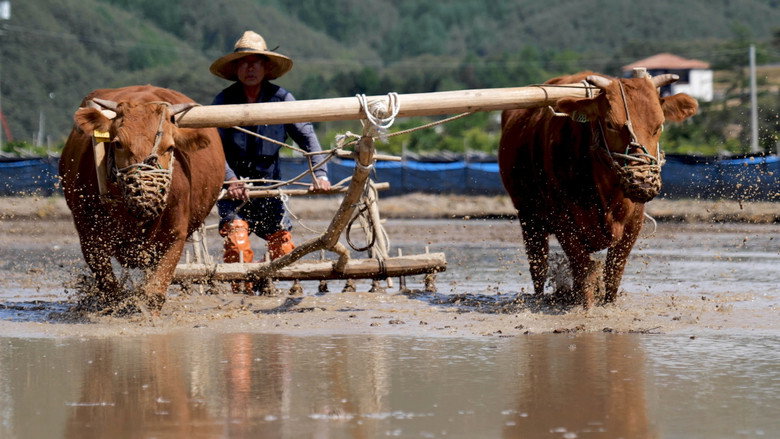
I came to Hanwoo Rhapsody expecting a culinary travelogue, but I left with something more nuanced: a portrait of how food carries meaning. The series doesn’t just show you how Hanwoo beef is made; it shows you why it matters. And in a world where food is increasingly industrialized and disconnected from its origins, that’s no small feat.
Whether you’re a foodie, a cultural anthropologist, or just someone who enjoys a good meal, there’s something here to savor.
(And yes, I did order Korean barbecue afterward. No regrets.)
"A niche documentary series celebrating Hanwoo beef culture through the lens of its most passionate advocates."
The series dives into the traditions and culinary significance of Hanwoo beef, with a focus on authenticity and cultural pride. Feedback is sparse, and it appeals more to food enthusiasts and those interested in Korean agricultural heritage than to general audiences.
Hanwoo Rhapsody (2021) isn’t your average food documentary. Directed by Baek Heon-seok and fronted by celebrity chef Paik Jong-won, the series dives deep into Korea’s prized Hanwoo cattle, but with a twist: it’s as much about culture and celebrity as it is about cuisine. The result? latestnetflix.com's take is that a glossy, star-studded exploration of beef that feels equal parts educational and entertainment.
The series made waves for its unexpected guest appearances, particularly from K-pop royalty. Clips circulating online feature Girls’ Generation’s Sunny in a two-part cut of the documentary, lending her star power to the project. While the full extent of her role isn’t detailed in the snippets, her involvement suggests Hanwoo Rhapsody aimed to bridge the gap between foodie content and mainstream K-entertainment. Sunny’s segments, titled “SNSD Sunny CUT,” were teased in promotional YouTube clips, hinting at a deliberate strategy to attract fans of both food and K-pop.
Paik Jong-won, the face of the series, is no stranger to blending culinary expertise with entertainment. Known for his high-energy cooking shows and viral food challenges, his presence ensures the documentary stays engaging, even when looking at the technicalities of Hanwoo beef production. The series leans into his charisma, using his reputation to make the subject matter accessible to a broad audience.
Details about the production process are scarce, but the series’ focus on Hanwoo beef—often called the "Kobe beef of Korea"—suggests a deliberate effort to highlight a cornerstone of Korean culinary tradition. The French title Le Bœuf, une passion coréenne (Beef, a Korean Passion) underscores its international appeal, positioning Hanwoo as a cultural export.
Rumors about the series’ origins are thin, but its Netflix distribution implies a push for global reach. The platform’s algorithm-friendly format—short, bingeable episodes—likely influenced the documentary’s structure, though the exact episode count remains unconfirmed in the available evidence. What’s clear is that Hanwoo Rhapsody wasn’t just a niche food show; it was designed to ride the wave of K-content’s global popularity.
Hanwoo Rhapsody is a love letter to Korean beef, but its real hook is the way it packages tradition for modern audiences. By blending Paik Jong-won’s culinary authority with celebrity cameos, the series turns what could have been a dry agricultural deep-dive into a cultural moment. Whether it’s Sunny’s fanbase or foodies craving authenticity, the documentary finds a way to speak to both.
The lack of behind-the-scenes drama or production details in the available snippets leaves some questions unanswered. Was the celebrity involvement a late addition? Did Netflix push for a more commercial angle? For now, those remain rumors. What’s certain is that Hanwoo Rhapsody succeeded in making beef trendy—and that’s no small feat.
Entertainment rumors and trivia aggregated from public reporting. Treat speculation as unverified unless a cited source confirms it.
More titles in the same genres and with the same cast.