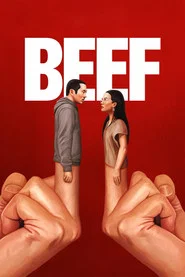
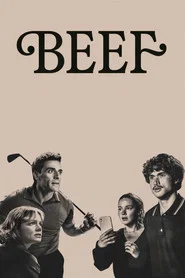
Minor conflicts spiral into consuming feuds between individuals, exposing pride, resentment, and hidden pain.
Seasons
2 listed
Status
Returning Series
Seasons
2 seasons
Episodes
18 episodes
First aired
Apr 6, 2023
Last aired
Apr 16, 2026
Network
Netflix
Latest episode:S2 E8 It Will Stay This Way and You Will Obey (Apr 16, 2026)
Season 1
10 episodes Apr 5, 2023 7.5
A road rage incident between two strangers—a failing contractor and an unfulfilled entrepreneur—sparks a feud that brings out their darkest impulses.
1The Birds Don't Sing, They Screech in Pain
2The Rapture of Being Alive
3I Am Inhabited by a Cry
4Just Not All at the Same Time
5Such Inward Secret Creatures
6We Draw a Magic Circle
7I Am a Cage
8The Drama of Original Choice
9The Great Fabricator
10Figures of Light
Season 2
8 episodes Apr 16, 2026 7.7
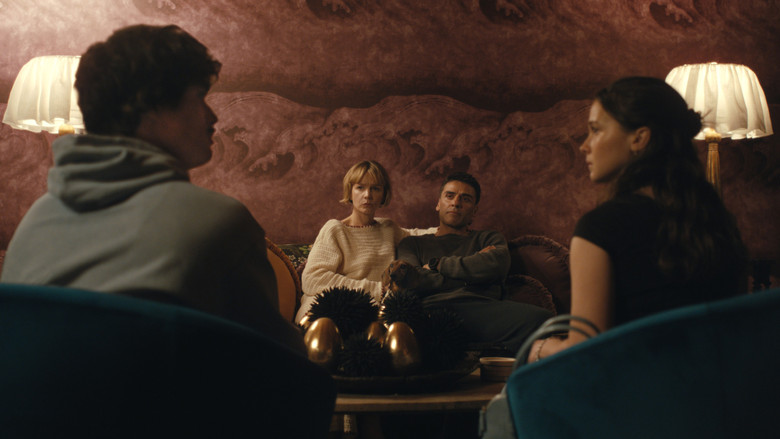
A young couple witnesses an alarming fight between their boss and his wife, triggering chess moves of favors and coercion in the elitist world of a country club and its Korean billionaire owner.
1All the Things We're Never Going to Have
2A New Starting Point for Further Desires
3The Increasing Flimsiness of Any Certainties About the Future
I’ve been thinking about Beef for months—not the kind of thinking where you replay the best scenes in your head, but the kind where you wake up at 3 a.m. And realize you’ve been grinding your molars in your sleep. That’s the show’s real trick: it doesn’t just depict anger; it infects you with it.
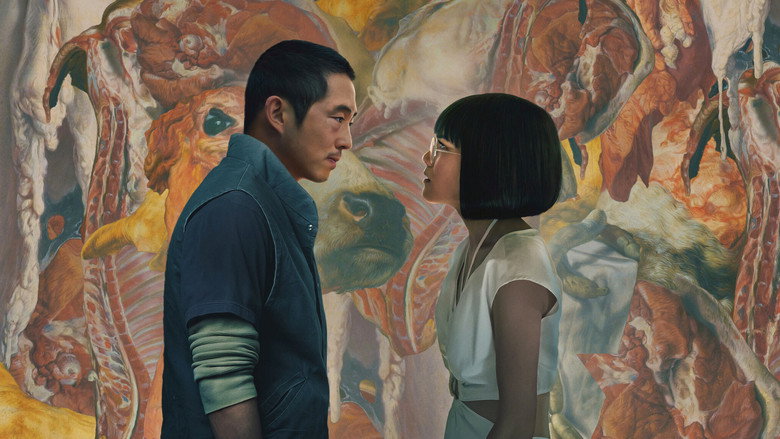
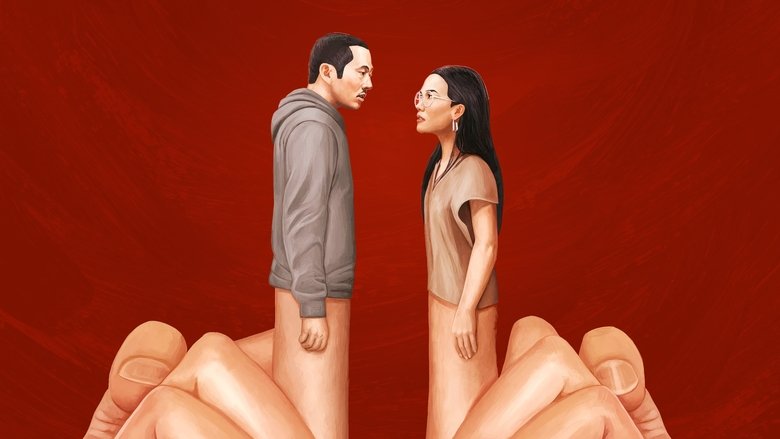
By the time Danny Cho (Steven Yeun) and Amy Lau (Ali Wong) are screaming at each other in a parking lot, their faces twisted into masks of pure, unfiltered spite, you’re not just watching a feud. You’re feeling it in your chest, a tightness that lingers long after the credits roll.
This isn’t the kind of anger that flares and fades, either. It’s the slow-burning, corrosive kind—the kind that starts with a single cut-off in traffic and metastasizes into something that consumes entire lives. Beef understands that rage isn’t just an emotion; it’s a relationship. Danny and Amy don’t just hate each other.
They need each other. Their feud becomes a grotesque, codependent love story, one where every escalation is a twisted form of intimacy. They’re not just trying to destroy each other; they’re trying to see each other, even if it’s through the lens of mutual annihilation.
The show’s genius lies in how it makes this dynamic feel inevitable. From the moment Danny’s truck nearly sideswipes Amy’s SUV in that fateful parking lot, their lives become entangled in a way that feels fated, like two tectonic plates grinding against each other until something gives. The first season is a masterclass in escalation, each episode ratcheting up the stakes in ways that are both absurd and brutally real.
One minute, they’re sabotaging each other’s businesses; the next, they’re locked in a physical altercation in a suburban backyard, their bodies tangled in a way that’s equal parts violent and weirdly erotic. (There’s a moment where Amy straddles Danny on the ground, her hands around his throat, and the camera lingers just long enough to make you wonder if they’re about to kiss or kill each other.
Spoiler: it’s both.)
What makes Beef more than just a dark comedy about petty grievances is its willingness to dig into the why behind the rage. Danny and Amy aren’t just angry people; they’re people who’ve been failed by the systems around them. Danny, a struggling contractor, is drowning in debt and the weight of his family’s expectations.
Amy, a self-made entrepreneur, is trapped in a marriage that feels like a gilded cage. Their anger isn’t just about the road rage incident; it’s about the quiet desperation of lives that haven’t turned out the way they were supposed to. The show’s most devastating moments aren’t the big, explosive fights, but the small, quiet ones—the way Danny’s face crumples when his father dismisses his dreams, or the way Amy’s smile falters when her husband casually undermines her in front of their friends.
The second season, unfortunately, loses some of this focus. It’s not that it’s bad—it’s just that it feels like it’s trying too hard to recapture the magic of the first. The feud between Danny and Amy is still there, but it’s diluted, spread thin across a larger cast and a more convoluted plot.
The introduction of new characters, like George’s (Joseph Lee) estranged father (played by the always-watchable Song Kang-ho), adds texture, but it also diffuses the show’s energy. The first season was a laser beam; the second is a floodlight, illuminating everything but burning nothing.
That said, there are still moments in the second season that land with the same brutal precision as the first. The gallery fight, for instance, is a masterpiece of physical comedy and emotional devastation. George, drunk and humiliated, stumbles through an art exhibit, knocking over sculptures and making a scene, while Amy watches in horror.
It’s a scene that could’ve been played for laughs, but instead, it’s played for pathos. George isn’t just a buffoon; he’s a man unraveling, and the show treats him with a kind of tragicomic dignity. (The fact that he delivers the line “I don’t fuck guns” with such earnest conviction is a sign of Joseph Lee’s performance.
It’s the kind of moment that makes you laugh and wince at the same time.)
The show’s cultural specificity is another one of its strengths. Beef is one of the few mainstream shows that treats Asian American identity not as a monolith, but as a complex, often contradictory experience. Danny and Amy aren’t just Asian American; they’re specific Asian Americans, shaped by their families, their class backgrounds, and their own personal demons. The show doesn’t shy away from the uglier aspects of this identity, either—the way Danny’s father (David Choe) weaponizes his own trauma against his son, or the way Amy’s mother (Michelle Wong) polices her daughter’s life with a mix of love and control.
These aren’t just background details; they’re the engine that drives the story.
And then there’s the gossip. Oh, the gossip. The behind-the-scenes stories about Beef are almost as wild as the show itself.
The fact that Ali Wong and Steven Yeun both broke out in stress hives after filming the first season is a sign of how deeply they committed to their roles. The fact that Wong did mushrooms in Joshua Tree and ended up sobbing over Danny’s name is the kind of method-acting detail that feels like it belongs in a Beef spin-off. And then there’s the David Choe controversy, which hangs over the show like a dark cloud.
Choe, who plays Isaac and painted the show’s title cards, has a history of making deeply disturbing comments about sexual assault, and his involvement in the project has sparked fierce debate. It’s a reminder that art and artist are never truly separate, and that the stories we love are often more complicated than we’d like them to be.
In the end, Beef is a show about the stories we tell ourselves to justify our worst impulses. Danny and Amy’s feud isn’t just about a parking lot altercation; it’s about the narratives they’ve constructed to explain their own failures. Danny sees himself as a victim of circumstance, a good man brought low by bad luck.
Amy sees herself as a warrior, a survivor who’s had to fight for everything she has. Neither of them is entirely wrong, but neither of them is entirely right, either. Their rage is a way of avoiding the harder truth: that their lives are the sum of their choices, and that no amount of external validation will ever be enough.
I keep coming back to that moment in the first season where Danny and Amy are sitting in a diner, exhausted from their latest round of mutual destruction. They’re not screaming at each other anymore. They’re just sitting there, two broken people who’ve finally run out of steam.
For a brief moment, it looks like they might actually talk to each other, like they might finally see the person behind the rage. But then the moment passes, and they’re back to their old selves, two ships passing in the night.
That’s the tragedy of Beef. It’s not that Danny and Amy can’t change. It’s that they don’t want to. Their anger is too familiar, too comfortable. It’s the devil they know. And in the end, that might be the most human thing about them.
Audience Opinions
Audience 7.9/10
"A sharp, chaotic dark comedy about anger and class that lands as a standout first season with a more divisive continuation."
The road‑rage feud snowballs like a farce, hooking you with wild twists, emotional intensity, and deeply flawed but compelling leads, especially in the first season. Strong acting from the core duo and an honest look at Asian American pressures and the emptiness behind success earn wide praise, while the deliberately abrasive characters, an over-the-top finale, and a weaker second season frustrate part of the audience.
What viewers praise
Exceptional core performancesThe leads are phenomenal, carrying the show with emotionally layered, fearless work that keeps even the most unhinged scenes believable.
Bold darkly comic tonePitch-black humor, absurd escalation, and grounded drama combine into something fresh and unpredictable.
Snowballing, addictive plotThe feud keeps escalating in surprising ways; each episode raises the stakes and shocks more than the last.
Emotional and thematic punchThe series hits hard on anger, depression, emptiness, and the search for meaning, with some calling late episodes and the season one finale among their favorite television moments.
Resonant cultural detailAsian American family expectations, class anxiety, and cultural clash are portrayed in a way called authentic, uncomfortable, and even revolutionary.
Common complaints
Deeply unlikable charactersThe leads and supporting players are selfish and cruel to the point that some stop caring what happens to them.
Polarizing finale and tone shiftsLate episodes, especially the season one ending, strike some as incoherent or excessively absurd, undermining earlier investment.
Inconsistent second seasonSeason two is often judged weaker, with annoying or miscast new characters, a less organic use of culture, and a feud that no longer drives the story.
Occasional sense of overhypeA minority finds it overrated and shallow beneath the chaos, with gripes about the soundtrack or a premise that becomes contrived.
Recommended for
Dark comedy drama fans Character-driven TV enthusiasts Asian American storytelling seekers Psychological dramedy lovers Messy relationship story fans
Buzz & Rumors
Public reports
BEEF IRL: Hives, Headphones & a Whole Lot of Controversy
Netflix’s “BEEF” isn’t just about unhinged road rage on screen — the real-world stories swirling around the show are almost as chaotic as Danny and Amy’s lives. latestnetflix.com's read is that From stress hives and shrooms to expensive VFX fixes and a sexual-assault scandal, the drama behind the scenes could fill its own limited series.
On-Set Drama & Meltdowns
The feud that broke their bodies
The rage in “BEEF” wasn’t just acting. Ali Wong and Steven Yeun both say filming was so emotionally brutal that their bodies literally shut down. After wrapping Season 1, they both broke out in hives — Wong’s on her face, Yeun’s “all over his body” — with Wong joking that his reaction was worse “because he’s weak like that.” They described it as their bodies saying, “We’re done here,” after months of playing two people consumed by hatred.
Post-wrap shrooms and sobbing
According to behind-the-scenes reporting, Wong didn’t just clock out and go home. After filming, she escaped to Joshua Tree, did mushrooms, and apparently ended up sobbing while calling out Steven’s character’s name — that’s how deep she was in Amy/Danny headspace. Method? Therapy? Both.
The earphone chaos that cost Netflix a fortune
Cut to Season 2: Oscar Isaac and Carey Mulligan decided to level up their performances by wearing hidden earphones on set so they could listen to music while acting. They used tracks — including “really chaotic” Thom Yorke/Mark Pritchard vibes — to sync their movements and even time a big kiss scene to the beat. Cute idea… until creator Lee Sung Jin admitted Netflix had to digitally erase those earbuds in post and that they “cost a fortune to paint out”. Imagine being the VFX artist painstakingly removing Oscar Isaac’s AirPods from every frame.
Scandals & Controversies
The David Choe sexual-assault firestorm
The biggest cloud hanging over “BEEF” was the resurfacing of a 2014 podcast clip where David Choe — who plays Isaac and painted the show’s title cards — described coercing a masseuse into oral sex, calling himself a “successful rapist,” then later insisting it was a fictional “art” bit. As the clip went viral during the show’s meteoric rise, fans demanded answers. Eventually, Lee Sung Jin, Wong, and Yeun dropped a joint statement calling Choe’s story “undeniably hurtful and extremely disturbing,” saying they did not condone it, while also pointing out that Choe had apologized previously and sought mental health support over the past decade. The controversy sparked fierce debate over whether the show’s success was “poisoned” by the casting choice.
Romance Rumors & Breakup Watch
Ali Wong’s very public love-life arc
Off screen, Wong was living her own prestige-drama subplot. After her divorce from Justin Hakuta — which she openly discussed in profiles tied to BEEF’s press tour — she stepped into headline-grabbing territory by dating “Saturday Night Live” alum Bill Hader. Their Golden Globes red-carpet kiss became instant meme fuel. By January 2026, though, multiple outlets reported the two had split after over two years, with sources telling the press the breakup was amicable but real — classic “we’re just different people” energy. Fans couldn’t resist linking the timing to Wong’s post-BEEF superstardom, but there’s no hard evidence it was anything more than two busy people drifting apart. Still, “Beef star’s romance ends after explosive career rise” practically writes its own tabloid headline.
Leaks, Cuts & Secret Scenes
The darker version of “BEEF” that almost was
In a sprawling behind-the-scenes breakdown, BuzzFeed revealed that creator Lee Sung Jin originally planned to kill off more characters — but the network got squeamish about a higher body count, so some deaths were quietly removed from the final plan. So yes, in another timeline your fave probably died horribly.
Psychological warfare subplot that got axed
Writer Ali Ju pitched a storyline where Amy dives into Zersetzung — a real psychological-warfare tactic — and starts systematically dismantling Danny’s life with small, calculated moves. The idea was considered but ultimately cut before shooting. Given how deranged Amy already gets, the fact that this was deemed too much is… telling.
Alternate lines & cut character beats
During the gallery fight, George originally had a line defending vanilla as “the most universally beloved flavor of all time” — a metaphor for his safe, bland existence — but it was replaced with the now-iconic “I don’t fuck guns” closer. Small tweaks, very different vibe.
Season 2 deleted goodies
Netflix later dropped a podcast-style table read of deleted Season 2 scenes with the cast, teasing pages from early drafts that “never made the final cut” and giving fans a (medium) rare look at what could’ve been.
Wild Trivia & Fan Obsessions
The road-rage driver who accidentally created an Emmy magnet
Lee Sung Jin has repeatedly said Season 1 came straight out of his own Los Angeles road-rage incident with a white SUV driver, a moment he later thanked on stage at the Golden Globes. Somewhere out there, an anonymous bad driver has no idea they kicked off Ali Wong’s darkest role.
Fandom losing its mind over the ending
Over on Reddit, some fans went full galaxy-brain with “they were dead the whole time” theories about Danny and Amy in Season 1’s trippy finale — a trope other users promptly roasted as their “least favorite way of reading a show”. Still, threads dissecting whether the bond in that final hospital-bed sequence was spiritual, psychedelic, or just trauma bonding racked up serious engagement.
Season 2 backlash and ‘what happened to my show’ discourse
When the anthology pivoted in Season 2 to new couples and a country-club blackmail saga, Reddit’s r/netflix and r/BeefTV lit up with takes calling the new season “overcrowded” and “lost what made it good,” especially in the back half. Others defended the performances — particularly Isaac and Mulligan — but the mixed reaction became its own mini-drama in fan spaces.
Entertainment rumors and trivia aggregated from public reporting. Treat speculation as
unverified unless a cited source confirms it.
Related series
More titles in the same genres and with the same cast.